

Create a Grosbeak Haven for Spring
1-Minute Reads Tip #4
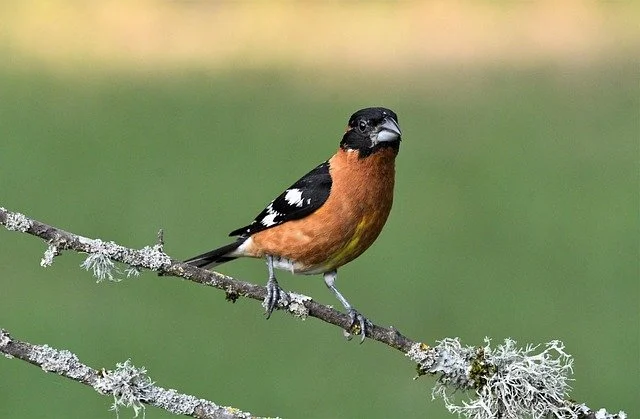
Grosbeaks are some of the most rewarding spring visitors—bold, chunky seed-crackers with rich songs and colors that sparkle in fresh sunlight. Whether you’re hoping for Rose-breasted Grosbeaks drifting in from the tropics, Black-headed or Blue Grosbeaks passing through on western routes, or Evening Grosbeaks arriving in irruption years, a few thoughtful choices now can turn your backyard into a springtime haven they won’t want to skip.
Start with food—grosbeaks are famously seed-focused, and they appreciate feeders built for comfort and space. Sturdy platform feeders or wide hopper feeders allow these heavier birds to land confidently without crowding. Fill them with black oil sunflower, sunflower chips, or a high-quality nut-and-berry mix—simple, protein-rich foods that grosbeaks never turn down. Avoid cheap seed blends with fillers like milo and wheat; grosbeaks ignore them, and those fillers only invite rodents. (Check out some great feeder options here.)
Next, think about location and safety. Place feeders near natural cover—small trees, tall shrubs, or even a dense hedge—where grosbeaks can rest between visits. They prefer a quick escape route and will visit more often when they feel protected. If you can, keep at least one feeder quieter and away from high foot traffic. Grosbeaks are confident feeders, but they’re not fans of chaos.
Water is another silent magnet. Offer a clean, shallow bird bath and refresh it often. Migrating grosbeaks burn energy quickly and will choose yards that offer both calories and hydration.
Finally, plant with intention. If you can add fruiting shrubs such as serviceberry, chokecherry, crabapple, or elderberry this spring, you’ll support grosbeaks for years to come. These native plants provide insects, fruit, shelter, and natural perches—everything migrating songbirds need in their brief backyard layovers.
A little planning now means you’ll be ready for those magical mornings when a grosbeak lands in a burst of color right outside your window. Set the stage, and next spring your yard may become one of their favorite stops.
