

Using the “Clock Face” to Find Birds Faster
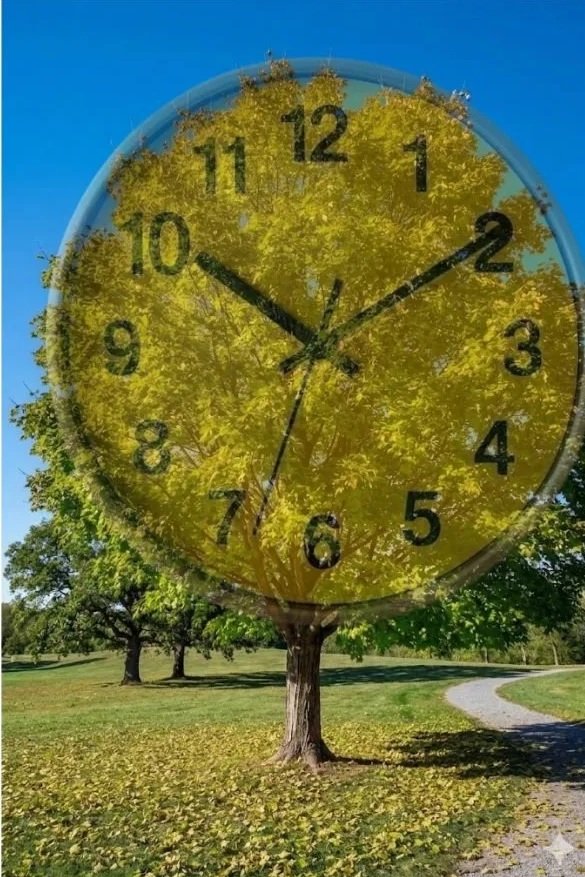
One of the fastest ways birders communicate with each other in the field is by using an imaginary clock face.
If you’ve ever been on a group bird walk, you’ve probably heard something like:
“The warbler is at 2 o’clock, 4 feet from the trunk of the cottonwood!”
To a new birder that might sound odd, but it’s actually one of the most useful communication tools in birding.
Here’s how it works.
Imagine that you are standing in front of a giant clock superimposed over the tree, building, cliff, or whatever. Straight up becomes 12 o’clock. Then you can identify a bird’s location (and describe it to someone else) simply by describing which hour’s number it is closest to. Then just describe the bird’s distance from dead center (“at the edge of the tree” or “2 feet out from the trunk”).
When another birder spots something, they can quickly guide everyone else by calling out the direction using the clock.
Instead of saying:
“Over there in that tree somewhere.”
A birder might say:
“Check the tallest tree at 2 o’clock.”
Now everyone knows exactly where to look.
But birders often go one step further and add extra detail to narrow things down even more.
For example:
“The bird is at “2 o’clock in the tallest tree, about three feet in from the outer edge of the branches.”
With just a few words, everyone nearby can swing their binoculars to the correct spot and often find the bird within seconds.
This skill is especially helpful when birds are small, moving quickly, or partially hidden in foliage. It’s amazing how the most colorful birds (like a Scarlet Tanager) can totally disappear in a green tree. In a mixed flock or busy woodland, clear directions make the difference between seeing the bird and missing it entirely.
The clock face method also works beautifully when describing birds in flight:
“Hawk at 11 o’clock coming in from the ridge.”
“Three pelicans at 1 o’clock over the lake.”
Because the system is universal and quick, it works anywhere in the world and with birders of any experience level.
Like most birding skills, it becomes second nature with a little practice. On your next outing, try describing birds this way—even if you’re birding alone. It will train your brain to think in clear directions and quick observations, which is exactly what good birding requires.
Before long you’ll find yourself saying things like:
“Small sparrow at 4 o’clock, center of the smallest bush.”
And when your birding friends immediately find it, you’ll know you’ve picked up another simple skill that makes birding more fun—and a lot more successful.
