Backyard Bird Feeding: Help or Harm?
A Complete Guide to Feeding Birds the Right Way
There is something almost magical about pouring seed into a feeder.
You step back. You wait.
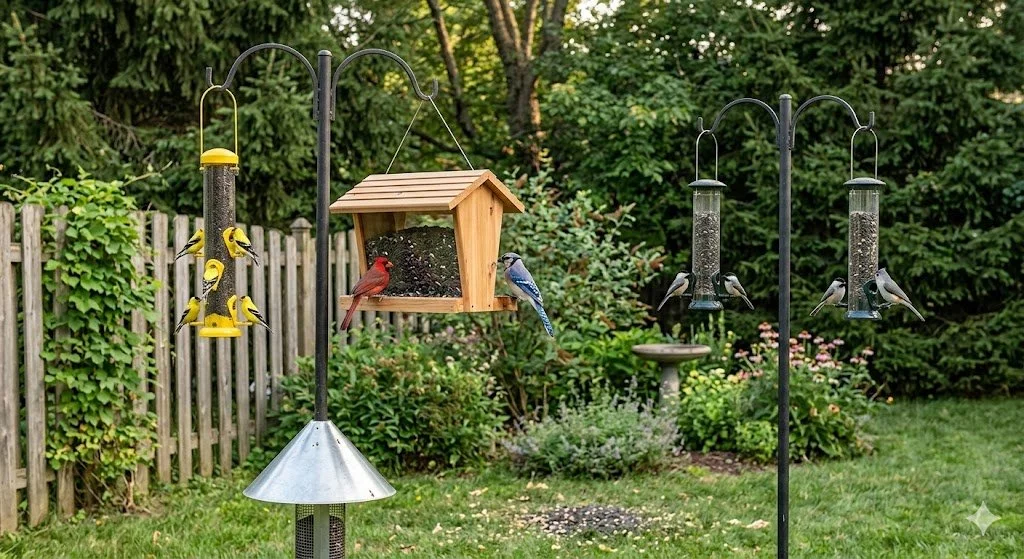
And within minutes — sometimes seconds — a chickadee appears. A cardinal flashes red against the fence. A finch clings upside down and swings like an acrobat.
Backyard bird feeding connects us to wild things in the most ordinary, beautiful way.
But it also raises an important question:
Are we helping birds… or harming them?
The honest answer?
It depends on how we do it.
This pillar guide will walk you through:
Whether feeding birds is beneficial
What seed attracts which birds
Specialty foods (and when to use them)
How to avoid wasting seed and money
How to choose the best feeders for your yard
How to feed responsibly and safely
Let’s dig in.
Does Feeding Birds Help or Harm?
This debate pops up regularly in birding circles.
The science is reassuring: responsible bird feeding does not make birds dependent.
Wild birds get the majority of their calories from:
Natural seeds
Insects
Berries
Native plants
Feeders are supplemental, not primary food sources.
In fact, feeders can help birds:
Survive harsh winters
Fuel migration
Raise broods during demanding nesting seasons
However, feeding can become harmful when:
Feeders are dirty and spread disease
Seed is poor quality and moldy
Invasive species (like House Sparrows) dominate
Predators (cats especially) have easy access
So the real answer isn’t “Should we feed birds?”
It’s: Are we feeding them wisely?
And that’s where this guide comes in.
What Seed Attracts Which Birds?
Sunflower
If you only remember one thing:
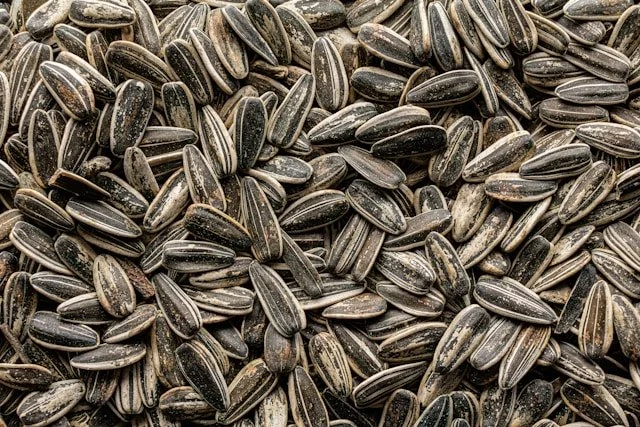
Black oil sunflower seed is the MVP of backyard bird feeding. Reasonably priced and enjoyed by many backyard species.
It attracts:
Cardinals
Chickadees
Titmice
Nuthatches
Finches
Woodpeckers
Why it works:
Thin shell
High fat content
Easy for many species to crack
Nyjer (Thistle) Seed
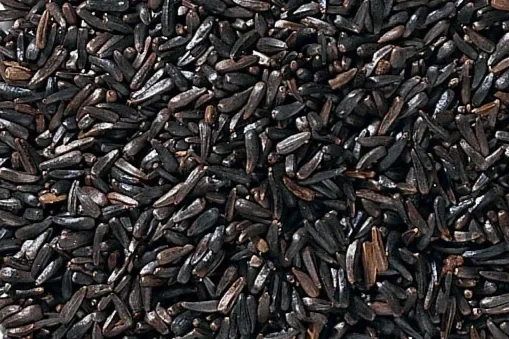
Tiny seed, tiny feeder ports.
Best for:
American Goldfinches
Pine Siskins
Use in tube feeders designed specifically for Nyjer. This type of seed is expensive and must be fresh or the birds will leave it. Shop for Nyjer at outlets like feed stores - they often order weekly. Bird seed stores are often very overpriced (I know I managed 2 wild bird outlets) although the seed may be fresher. Avoid big box stores that may have stock sitting there for months and months.
White Proso Millet
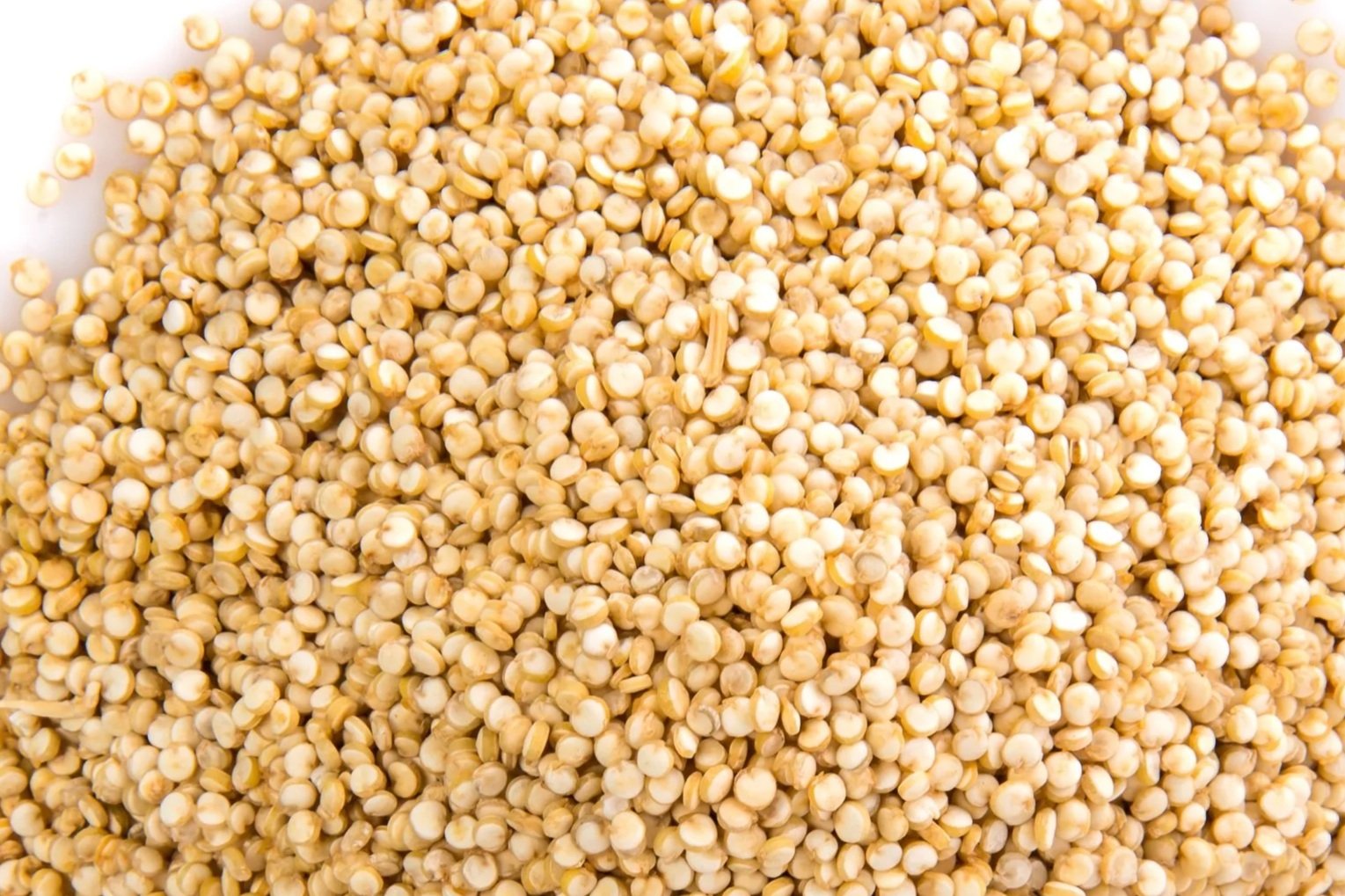
Ground-feeding birds love this.
Attracts:
Doves
Juncos
Sparrows
Best used in platform feeders or scattered lightly on the ground (where safe).
Safflower
A secret weapon.
Cardinals love it.
Squirrels and blackbirds? Not so much.
Great option if you’re trying to reduce unwanted visitors.
Specialty Foods: When to Use Them
Suet
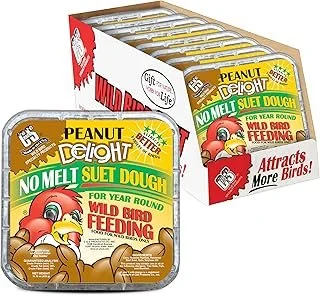
High-energy fat cakes — especially valuable in winter.
Attracts:
Woodpeckers
Nuthatches
Chickadees
Overwintering Warblers & Insect-Eaters
Avoid in the extreme summer heat of most parts of the US.
Nectar (Hummingbird Feeders)
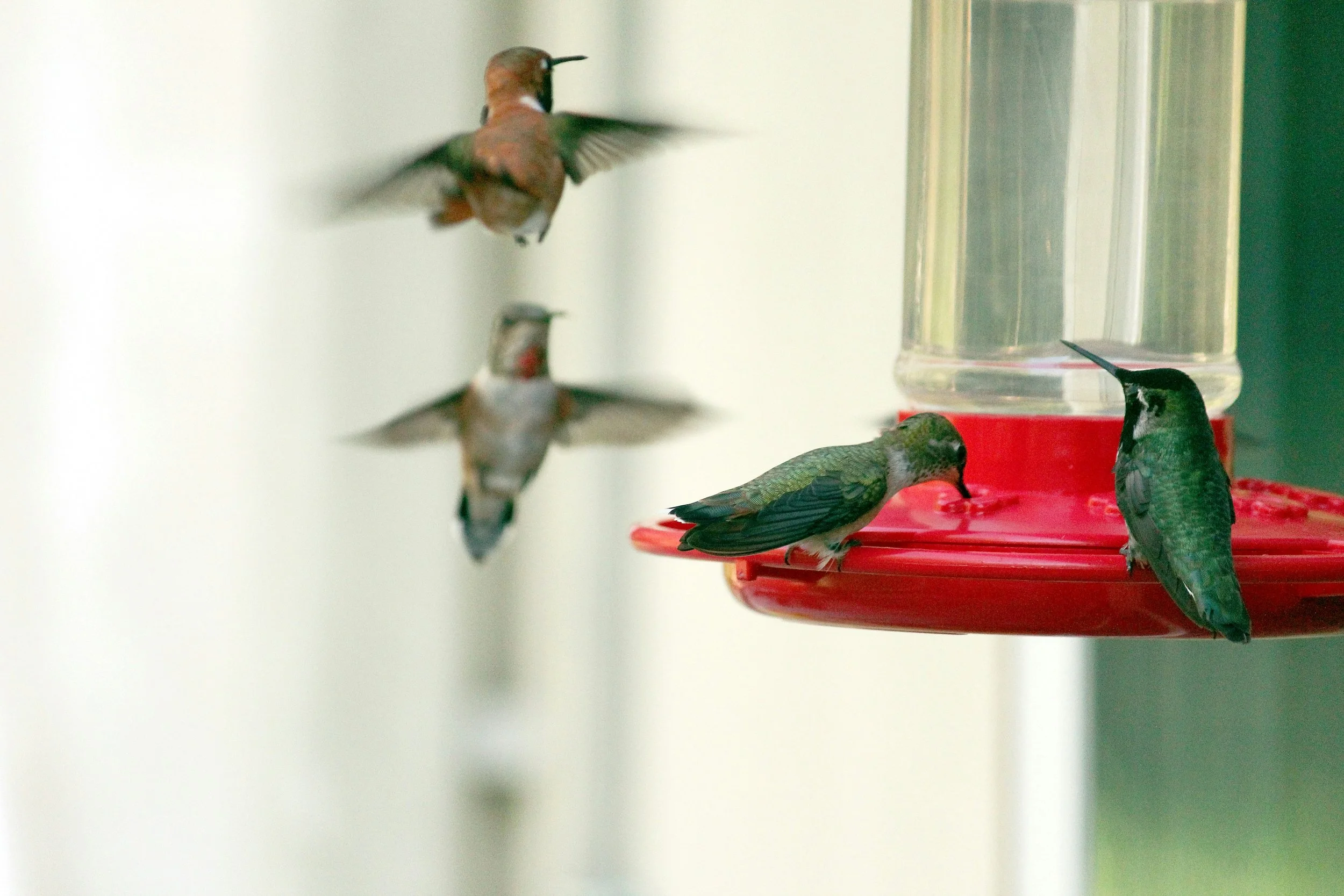
Simple recipe:
1 part white sugar
4 parts water
No dye, no honey, no brown sugar
Supports species like the Ruby-throated Hummingbird during migration and breeding season. Clean thoroughly every couple days in the heat of summer.
Oranges & Jelly
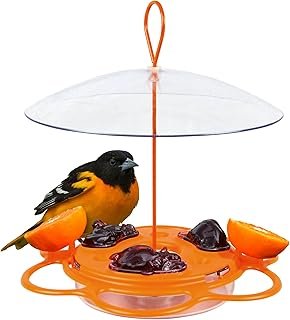
Orioles adore orange halves and small amounts of grape jelly in spring migration.
Mealworms
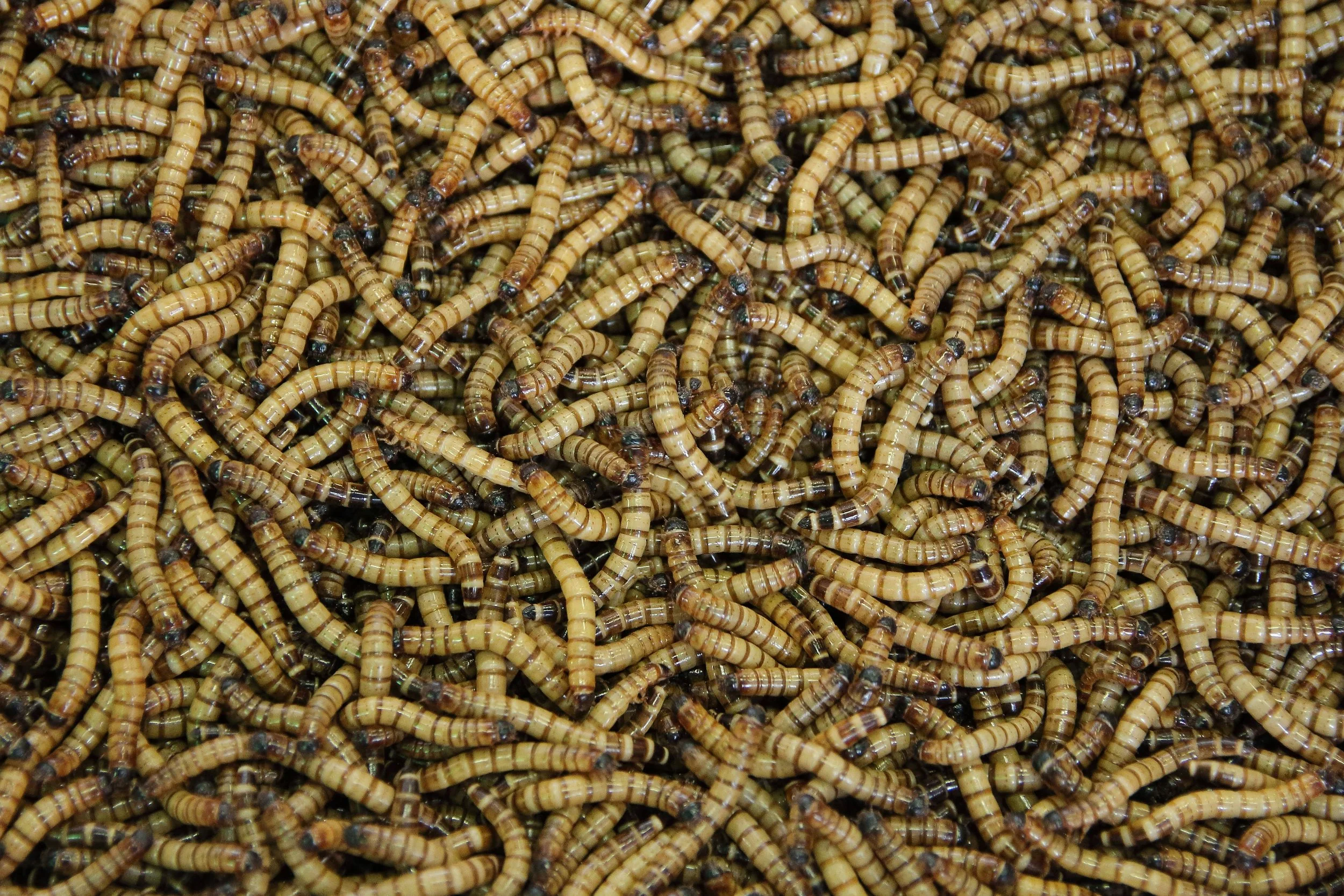
Live or dried.
Bluebirds especially appreciate them during nesting season.
Specialty foods are wonderful — but not necessary for beginners. You can build a vibrant backyard with sunflower alone.
How to Avoid Wasting Seed (and Money)
Let’s talk practicality.
Bird seed isn’t cheap. So not wasting seed means you’re buying less and lugging fewer bags of seed around.
Here’s how to prevent waste:
1. Buy Quality Seed
Avoid cheap mixes with:
Red millet
Milo
Excess fillers (like canary seed and rape seed)
Birds toss those to the ground where they get moldy or sprout - not good for your grass or your birds.
2. Match Seed to Feeder
Nyjer in a hopper feeder? Mess. Jays and sparrows will toss it out to get to their preferred seed.
Large sunflower in tiny finch ports? Frustration.
Pair correctly.
3. Don’t Overfill
Especially in humid climates.
Mold forms quickly.
Fill what birds eat in 2–3 days.
4. Use Baffles
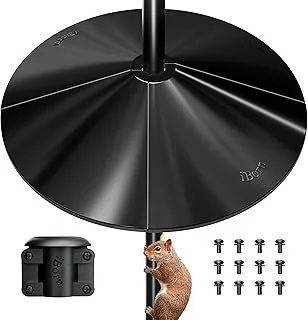
A metal baffle (either an umbrella -shaped baffle or a stove-pipe baffle) on the feeder pole prevents raccoons and squirrels from draining your investment.
5. Offer Just Enough Variety
More feeders ≠ better.
Start simple spaced 3-6 feet apart:
One tube feeder (for small birds)
One platform or hopper (for jays and cardinals and braver little birds)
Expand once activity increases.
Choosing the Best Feeder Options
Different feeders serve different purposes.
Tube Feeders
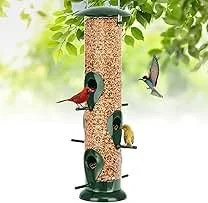
Great for sunflower and Nyjer
Attract clinging birds (finches, chickadees)
Minimize waste
Excellent beginner choice.
Hopper Feeders
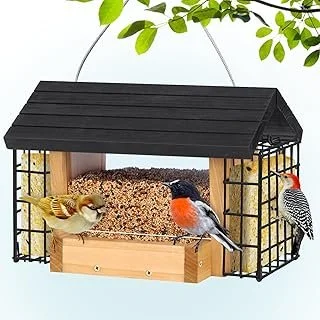
Larger capacity
Attract bigger birds like cardinals and jays
Easier to see activity
Platform Feeders
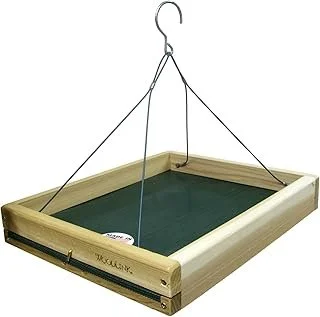
Ground feeders love them
Great visibility
Must clean frequently and more vulnerable to weather
Hummingbird Feeders
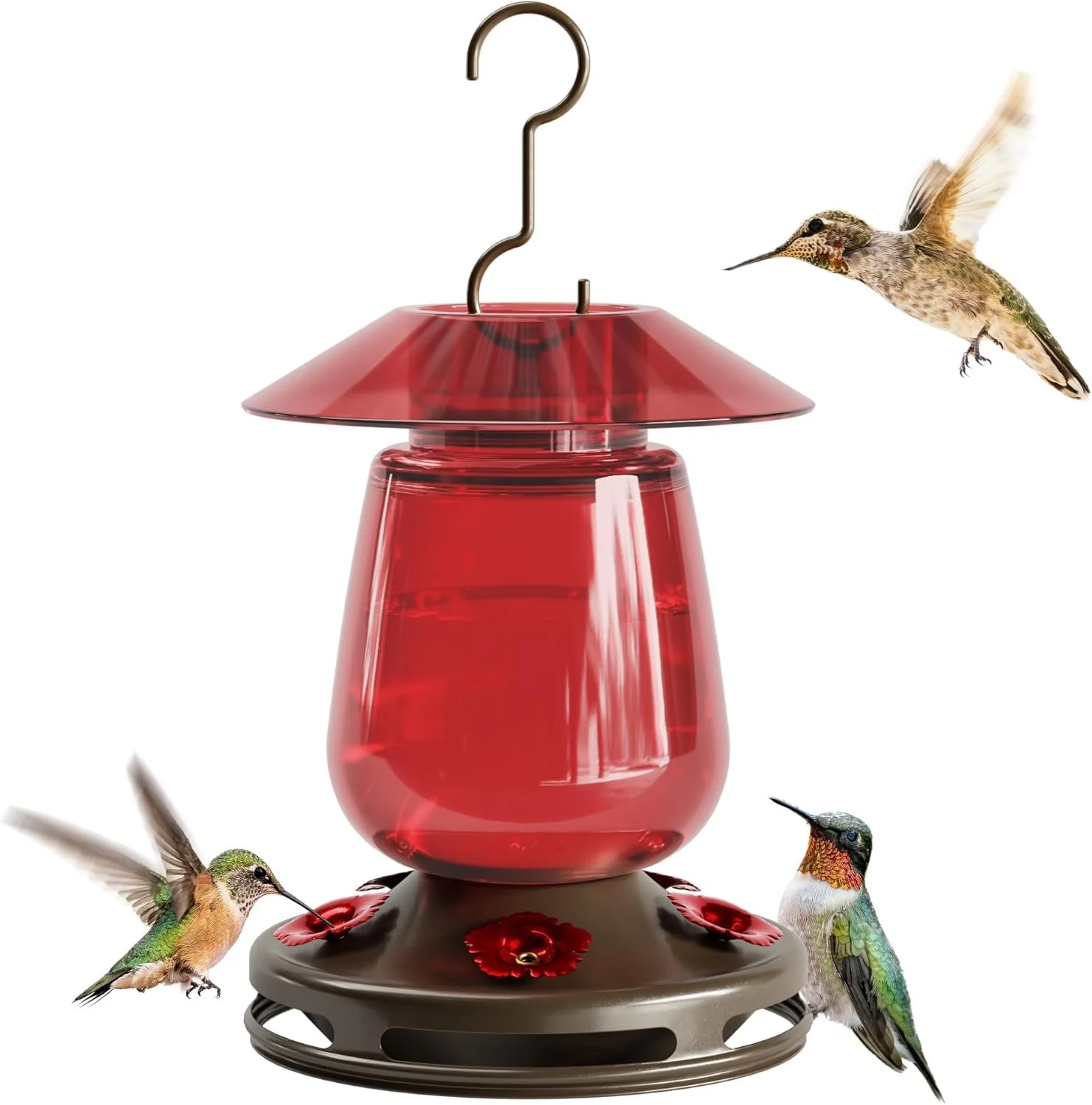
Bright red ports
Easy to clean
Hang in partial shade
You don’t need all of these.
You need a thoughtful combination that fits your yard and goals.
Feeding Birds Responsibly
Here’s the part that matters most.
Clean Your Feeders
Every 1–2 weeks.
More often in humid weather.
Use:
Warm soapy (Dawn dish soap) water
Diluted bleach solution (1:9 ratio), rinse thoroughly
Dirty feeders spread disease.
Place Feeders Safely
10–12 feet from shrubs (escape cover)
Either within 3 feet of windows OR more than 30 feet away to reduce strikes
No shrubs beneath feeders or where you put seed on the ground where cats could hide
Keep Cats Indoors
Domestic cats are one of the biggest threats to songbirds.
Think Beyond Feeders
Feeders are one piece of the puzzle.
The most bird-friendly yards also include:
Native plants
Water sources
Safe nesting habitat
(Read about making your backyard friendly “Simple Backyard Changes That Attract Birds” post.)
Are We Creating Dependency?
This fear comes up often.
In most of North America, birds:
Do not rely solely on feeders
Adjust naturally when food sources change
Shift territories seasonally
If you need to stop feeding, birds will adapt.
However — in extreme winter weather — consistency helps survival.
So if you begin winter feeding, try to maintain it through cold snaps.
Building a Backyard Feeding Strategy
Instead of randomly adding feeders, ask:
What species do I want to attract?
What predators exist here?
How much maintenance can I realistically handle?
What’s my budget?
Start small.
Observe.
Adjust.
Backyard bird feeding isn’t about perfection.
It’s about stewardship and joy.
The Heart of It All
Feeding birds is not about entertainment.
It’s about connection.
It’s about stepping outside with coffee at sunrise and noticing the quiet “chick-a-dee-dee-dee.”
It’s about watching a young cardinal learn to crack its first seed.
It’s about becoming someone who pays attention.
Feed wisely.
Clean regularly.
Plant natives.
Protect habitat.
Do that — and your backyard becomes more than a yard.
It becomes a refuge.
For birds.
And for you.
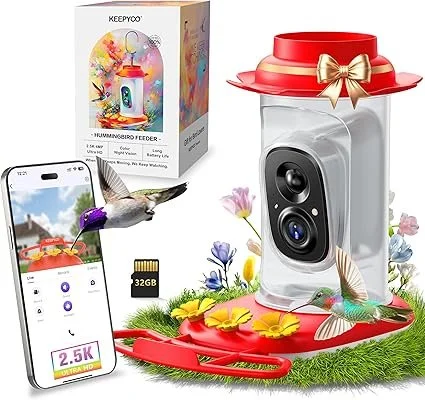
Consider a Smart Feeder! I’m in love with my smart seed feeder and have just put up a smart hummingbird feeder! Can’t wait for the hummers to come hang out this summer - up close and personal!