

3 Ways to Learn a Bird Field Guide Faster
Rather Be Birding 1 Minute Read
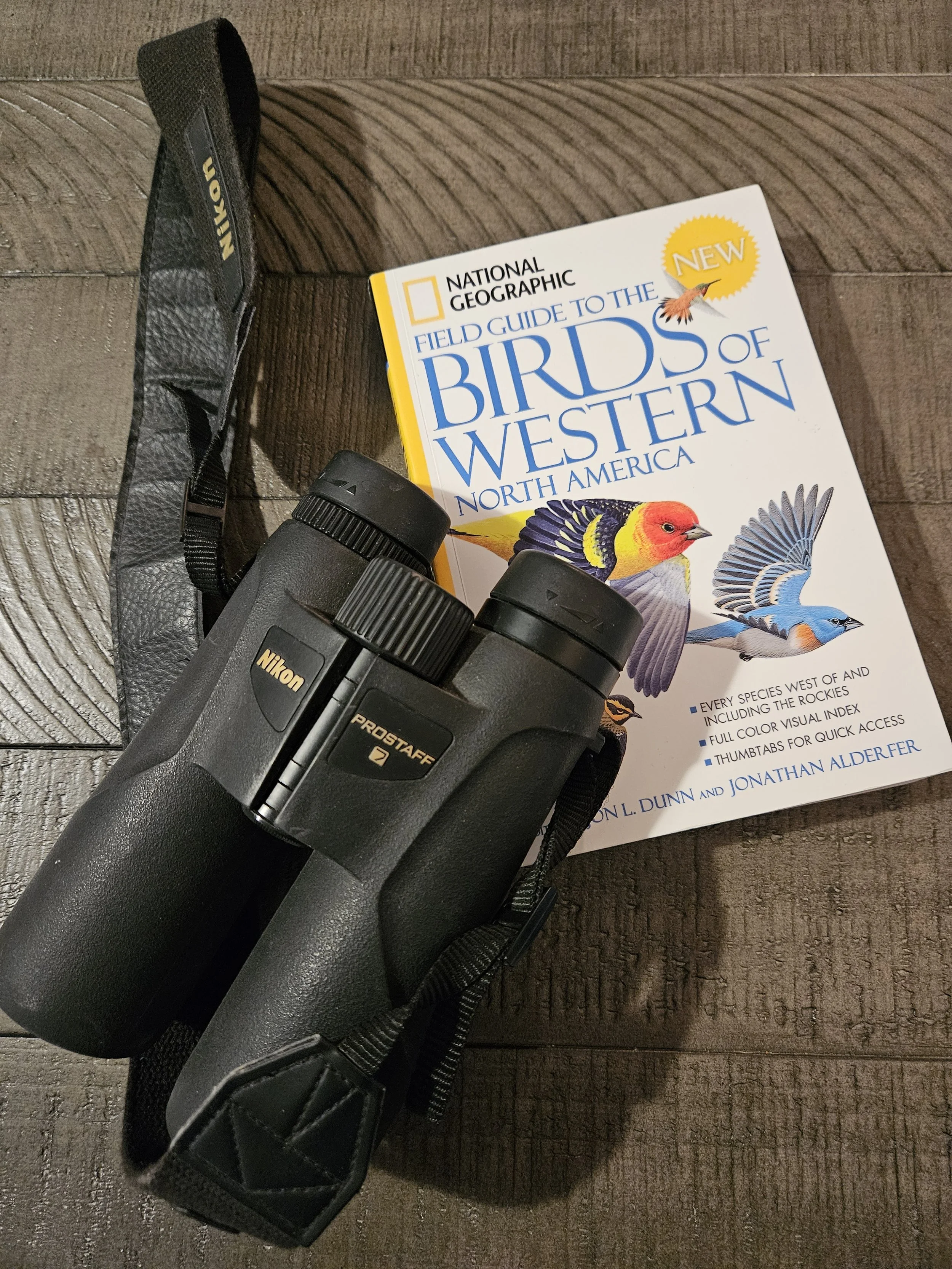
A bird field guide can feel a little overwhelming at first. Hundreds of species. Tiny illustrations. Range maps, arrows, and field marks everywhere you look.
But here’s the secret most experienced birders eventually discover: a field guide is meant to be explored a little at a time, not memorized all at once.
If you spend just a few minutes a day with your guide, you’ll be surprised how quickly it becomes one of your most valuable birding tools. Here are three simple ways to learn your field guide faster.
1. Keep Your Field Guide Where You’ll See It Every Day
Don’t hide your guide on a bookshelf.
Instead, leave it on the coffee table, kitchen counter, or next to your favorite chair. When you have a spare minute—while the coffee is brewing or the evening news is on—flip through a few pages.
Many birders start by learning one bird family at a time. Spend a few days with sparrows, then woodpeckers, then hawks. Notice the similarities between species and the little differences that separate them. And read the maps to tell which ones are found in your area - the ones you are most likely to see.
Those short, casual sessions add up quickly.
2. Study the Birds You Already Know
One of the fastest ways to learn a field guide is to start with birds you see regularly.
Flip to the pages for cardinals, robins, chickadees, or whatever birds visit your yard. Look closely at the illustrations and read the short descriptions.
Ask yourself:
What field marks does the guide highlight?
What colors or patterns make this bird unique?
How does the male differ from the female?
Because you already recognize the bird, the guide suddenly makes much more sense. Over time, you’ll begin noticing how similar species are grouped together, which helps you identify new birds more quickly.
3. Write in Your Field Guide
Many experienced birders treat their field guide like a working notebook.
Add sticky notes. Highlight key field marks. Write down where and when you saw a species. Some birders even mark their “life birds” right on the page.
These little notes turn a field guide into your personal birding reference, and the act of writing helps lock information into memory.
The Real Secret: A Few Minutes a Day
You don’t need to study for hours. Just five or ten minutes a day flipping through your guide builds familiarity faster than you might expect.
Before long, you’ll start recognizing bird families, field marks, and patterns almost automatically.
If you’d like a deeper look at how birders actually use a field guide in the field—including how birds are organized and how to navigate the pages—take a look at our full guide:
→ How to Use a Bird Field Guide (full post)
Spend a little time with your field guide each day and, before long, you’ll notice something surprising.
You won’t just be looking at birds anymore.
You’ll be recognizing them.
