

The Birding Superpower - Noticing What’s Different
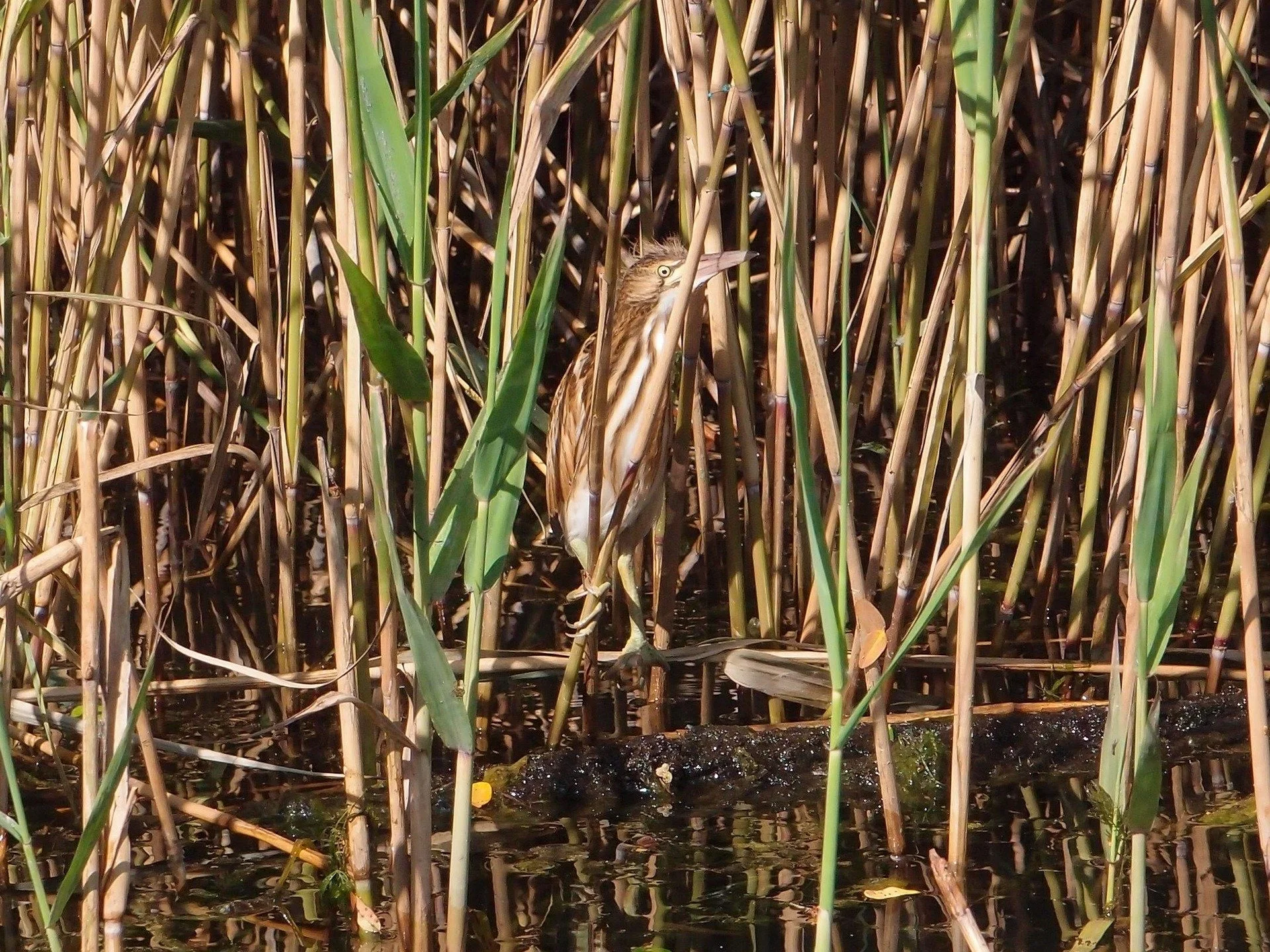
One of the most valuable skills a birder can develop isn’t sharper eyesight or a better pair of binoculars.
It’s simply learning to notice what’s different.
When most people walk through a park or along a trail, they see the obvious: trees, grass, maybe a few birds flying overhead. But birders learn to look a little deeper. They begin noticing the small details that don’t quite fit the scene.
Imagine standing under a leafy tree on a breezy morning. The wind is moving the leaves, gently rustling the branches.
But wait.
One leaf isn’t moving.
That’s strange.
A second look through your binoculars reveals that the “leaf” has a tiny eye and a slightly curved bill. What you thought was foliage is actually a perfectly camouflaged warbler sitting still among the branches.
That’s birding.
Or maybe you’re scanning a row of trees and everything is shades of green and brown—until a flash of blue catches your eye. Blue doesn’t belong there in that sea of leaves.
You pause, look again, and there it is: a Blue Jay or perhaps an Indigo Bunting tucked into the canopy.
Your brain is learning to spot the odd piece in the puzzle.
Sometimes the clues aren’t visual at all.
You may suddenly notice that the yard has gone quiet. Just moments ago there were chickadees, finches, and sparrows moving about the feeders. Now everything has vanished.
Experienced birders immediately wonder: What changed?
Very often the answer is a hunting hawk, perhaps an accipiter like a Cooper’s Hawk slipping silently through the trees.
Other times the birds themselves are telling you a story.
If you hear crows making a tremendous racket—cawing loudly and diving into a tree—you can bet something interesting is happening. Crows love to mob predators. Follow the noise and you might discover a Great Horned Owl or Red-tailed Hawk trying to sleep through the commotion.
All of these moments come from the same simple habit: noticing what doesn’t quite belong.
Over time, this skill turns birding into something wonderfully engaging. You’re no longer just watching birds—you’re solving little mysteries.
You become a bird detective, piecing together clues from movement, color, sound, and behavior.
And there’s a beautiful side benefit.
Learning to notice what’s different slows you down. It encourages you to look closely at the natural world instead of rushing past it. The breeze in the leaves, the rhythm of bird calls, the sudden hush when a predator appears—all become part of the story unfolding around you.
The more you practice this skill, the more birds you’ll find.
And the more connected you’ll feel to the world just outside your door and the more it will become part of you.
(Did you find the Bittern in the photograph above?)
Check out the Beginning Birder series or Be a Better Birder series if you’re already a birder.
