

Hummingbird Feeders
When and Where to Offer Hummers a Little Help
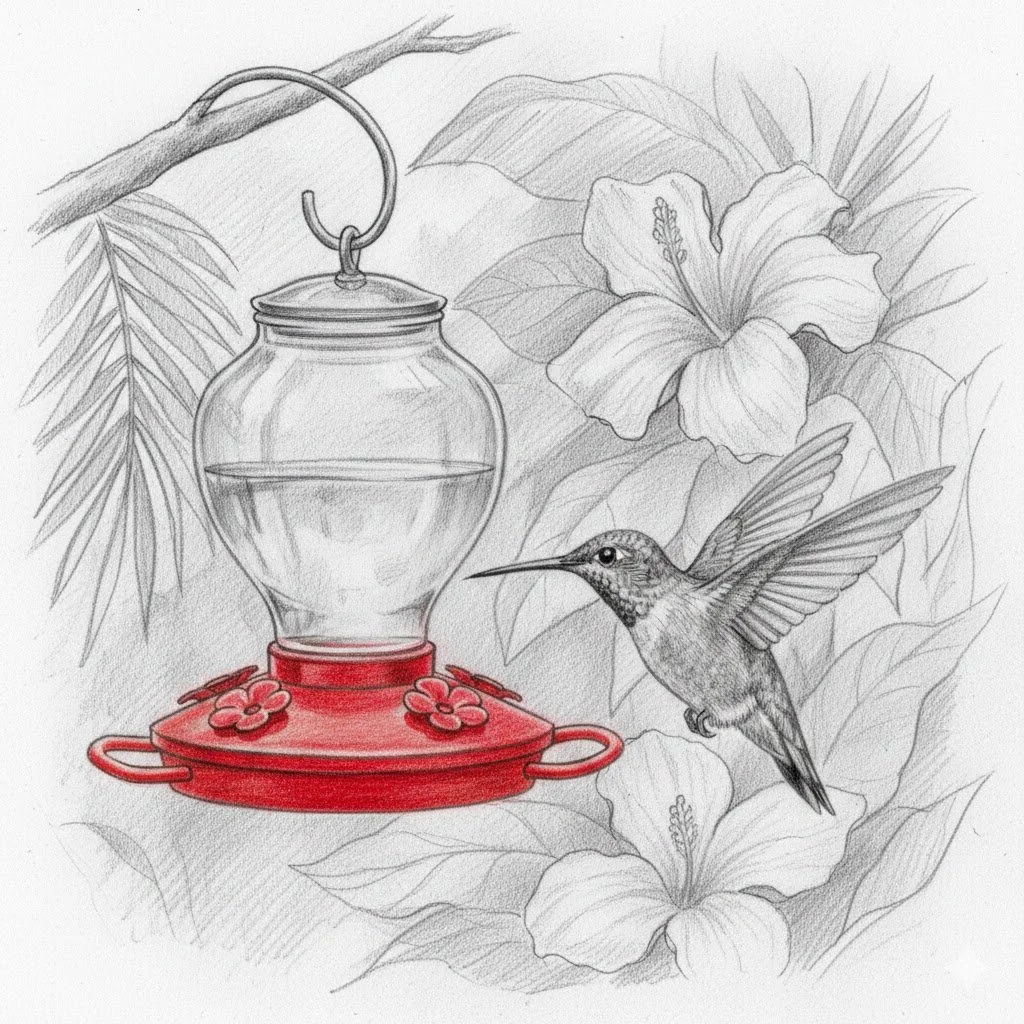
If you’ve ever watched a hummingbird hover like a tiny helicopter in your backyard, you already know why hummingbird feeders are so popular. They give us a front-row seat to one of nature’s most dazzling birds—and they give hummingbirds a reliable, high-energy food source during migration, nesting, and the long heat of summer.
Hummingbird feeders aren’t meant to replace flowers. They’re a supplement. Nectar feeders help bridge gaps when natural blooms are scarce and can be especially helpful during spring arrival and fall migration. (For more on their full life cycle and migration, see our North American Hummingbirds Guide.)
First things, first
Make sure the feeders you buy can be disassembled completely. And make sure you can see all parts of the interior so you can see that’s it is clean. Choose a feeder with minimal or no yellow. Yellow flowers tend to attract bees and wasps.
The Simple Nectar Recipe
Skip the red dye. It’s unnecessary and potentially harmful.
Mix:
1 part plain white sugar
4 parts water
Bring the water to a boil, stir in sugar until dissolved, cool completely, and fill your feeder. Extra nectar can be stored in the refrigerator for up to a week.
That’s it. No honey (it can grow dangerous fungi), no brown sugar, no artificial sweeteners.
Where to Place Your Feeder
Think safe, visible, and shady.
Hang feeders 5–10 feet off the ground.
Place them near shrubs or small trees so hummingbirds have a quick escape perch.
Avoid deep shade, but try to keep feeders out of intense afternoon sun to slow fermentation.
Keep them away from high predator areas (like where cats can ambush).
If you’re in Texas like we are, a little afternoon shade can make a big difference in how often you need to change nectar during summer heat.
Cleaning: The Most Important Part
A dirty feeder can harm hummingbirds.
In hot weather (90°F+), clean and refill every 1–2 days. [I fill on demand. Only a third or half of the bottle until the hummers empty the bottle same day.]
In mild weather, every 3–5 days is usually fine.
Use hot water and a bottle brush. Tiny bristle brushes for the feeder ports.
Avoid soap if possible, but if you must use it, rinse thoroughly.
A weak vinegar solution (1:4 vinegar to water) works well for deep cleaning—rinse completely before refilling.
Cloudy nectar? Mold spots? Change it immediately.
How to Minimize Squabbles
Hummingbirds are territorial. A dominant bird may “guard” a feeder and chase others away.
To reduce drama:
Hang multiple feeders.
Place them out of sight from one another (around a corner or on opposite sides of the yard).
Choose feeders with multiple ports.
You’ll likely see fewer aerial dogfights—and more hummingbirds feeding peacefully.
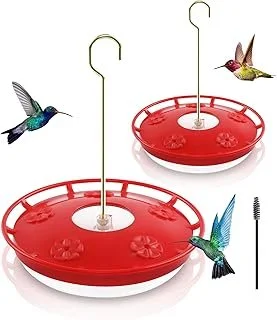
With a clean feeder, fresh nectar, and thoughtful placement, you’re not just offering sugar water. You’re offering fuel for migration, for courtship, for raising the next generation. And you get the gift of watching it all unfold right outside your window.
