

Birding Etiquette
How to Be a Better Birder - for Birds and People
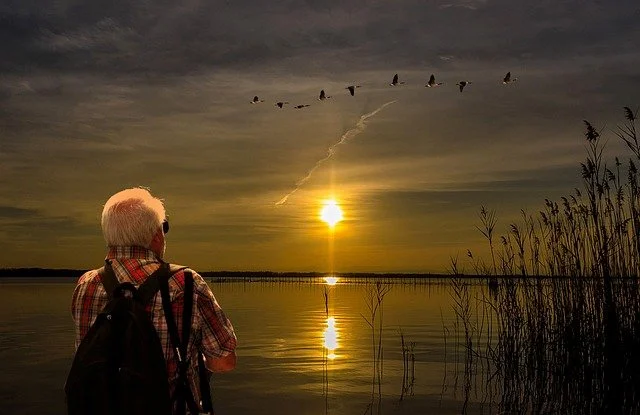
Birding is one of the most welcoming hobbies on the planet. You don’t need fancy gear, you don’t need to travel far, and you don’t need to be an expert to begin. All you need is curiosity, a bit of patience, and a willingness to notice the natural world around you.
But with that accessibility comes responsibility.
As birding grows in popularity—through social media, apps, festivals, and organized outings—the way we conduct ourselves matters more than ever. Birding etiquette isn’t about rules for rules’ sake. It’s about respect: for birds, for habitats, for landowners, and for each other.
At its heart, birding etiquette answers one simple question:
How can we enjoy birds without harming them—or the experience for others?
Fortunately, we’re not starting from scratch.
The American Birding Association (ABA) has developed a widely respected Code of Birding Ethics, which serves as the gold standard for responsible birding. In this post, we’ll walk through the core principles of that code, expand on what they look like in real life, and talk honestly about what happens when these simple guidelines are ignored.
Because birding that matters starts with how we show up.
Why Birding Etiquette Matters More Than Ever
Birds are facing enormous pressures: habitat loss, climate change, window strikes, invasive species, and human disturbance. While most birders have good intentions, even small actions—when repeated by many people—can have outsized impacts.
At the same time, birding is increasingly social. Hotspots are shared online in real time. Rare birds draw crowds. Private land borders public spaces. And beginners are learning by watching what experienced birders do.
That means etiquette isn’t just personal—it’s contagious.
When we model ethical behavior, we teach it. When we ignore it, we normalize harm.
The Foundation: The ABA Code of Birding Ethics
The ABA Code of Birding Ethics is built around four guiding principles:
Promote the welfare of birds and their environment
Respect the rights of others
Ensure that feeders, nest boxes, and other attractants are responsibly maintained
Practice ethical bird photography and media sharing
Let’s unpack what these look like in everyday birding.
1. Put the Welfare of Birds First—Always
This is the heart of birding etiquette. If an action helps you but harms a bird, it doesn’t belong in ethical birding.
Keep a Respectful Distance
Birds expend precious energy reacting to threats. Repeated flushing, hovering too close, or following a bird that’s trying to feed or rest forces it to choose between survival and escape.
Good etiquette means:
Letting birds approach you instead of the other way around
Backing off if a bird changes behavior (alarm calls, freezing, repeated flushing)
Using binoculars or scopes rather than closing the distance
If you’re wondering whether you’re too close, you probably are.
Avoid Nest Disturbance
Nests are especially vulnerable. Approaching too closely—even briefly—can attract predators or cause parents to abandon eggs or young.
Ethical birders:
Do not share active nest locations publicly
Avoid repeated visits to nests
Never manipulate vegetation or structures for a better view
A glimpse is never worth a failed nesting attempt.
Be Careful With Playback and Pishing
Audio playback and pishing can be useful tools—but only when used sparingly and thoughtfully.
Overuse can:
Increase stress
Disrupt feeding and mating
Pull birds away from nests or young
Many ethical birders choose not to use playback at all during breeding season, and some avoid it entirely.
2. Respect Habitat—Even When No One Is Watching
Birding etiquette extends beyond birds to the places they live.
Stay on Trails and Respect Closures
Habitat trampling damages fragile ecosystems—especially in wetlands, dunes, deserts, and alpine areas.
If an area is closed, it’s closed for a reason. Often, that reason is nesting birds.
Leave No Trace
This includes:
Packing out trash (even biodegradable items)
Avoiding vegetation damage
Not rearranging branches or reeds for a “clearer view”
Birding should leave habitats exactly as we found them—or better.
3. Respect the Rights of Others
Birding doesn’t happen in a vacuum. We share spaces with landowners, other birders, hikers, photographers, and entire communities.
Respect Private Property
Trespassing—even “just for a minute”—is one of the fastest ways to lose access for everyone.
Ethical birders:
Ask permission
Observe from public rights-of-way when necessary
Accept “no” gracefully
One careless decision can shut down a location permanently.
Be Mindful in Groups
Large groups can unintentionally overwhelm birds and people alike.
Good group etiquette includes:
Keeping voices low
Rotating viewing spots
Sharing scope views generously
Making space for others
Birding should feel welcoming, not competitive.
4. Practice Ethical Bird Photography
Photography has brought many people into birding—but it also introduces new pressures.
Ethical bird photographers:
Never bait birds in harmful ways
Avoid disturbing birds for “the shot”
Respect seasonal sensitivities
Prioritize behavior over proximity
If getting the photo requires altering a bird’s behavior, the photo isn’t worth taking.
Responsible Use of Feeders and Nest Boxes
Backyard birding is birding—and etiquette applies here too.
Maintain Feeders Properly
Dirty feeders spread disease. Ethical birders:
Clean feeders regularly
Remove feeders during disease outbreaks
Adjust feeding practices seasonally
Monitor Nest Boxes Responsibly
Nest boxes are not “set it and forget it” tools. They require monitoring for:
Predators
Invasive species
Structural safety
Providing housing creates a responsibility to steward it well.
When Etiquette Is Ignored: The Real Consequences
Ignoring birding etiquette doesn’t just affect one moment—it creates ripple effects.
Harm to Birds
Stress, nest failure, abandonment, and increased predation are real outcomes of careless behavior.
Loss of Access
Private landowners, municipalities, and parks do shut down sites after repeated violations.
Damage to the Birding Community
Nothing turns newcomers away faster than gatekeeping, crowding, or unethical behavior. Birding thrives when it is kind.
Loss of Trust and Credibility
Birders are often advocates for conservation. When our actions don’t align with that message, our credibility suffers.
Etiquette as Stewardship, Not Restriction
It’s important to say this clearly:
Birding etiquette is not about taking the joy out of birding.
It’s about deepening it.
When we slow down, keep our distance, and observe with intention, we see more—not less. We notice behavior. We learn patterns. We become students of birds rather than collectors of sightings.
Ethical birding builds:
Better observations
Healthier habitats
Stronger communities
A future where birds still have space to thrive
A Final Thought: Be the Birder Others Learn From
Whether you’ve been birding for decades or just bought your first pair of binoculars, someone is always watching and learning—often quietly.
Your choices teach.
Your behavior models.
Your respect sets the tone.
Birding etiquette isn’t about perfection. It’s about care.
And when we care well—for birds, for places, and for each other—we practice birding that truly matters.
Check out the companion posts Birding for Beginners Part 1 and Part 2. The next posts in the series will be available soon.
