

Birding That Matters
Giving Birds a Voice Through Volunteering
January has a way of resetting everything.
For birders, it’s the clean slate of a new year list, the quiet of winter landscapes, and the chance to look ahead with intention. It’s when we ask ourselves what kind of birder we want to be in the year ahead. More species? Better identification skills? New places?
And sometimes—especially after years of watching, listing, and learning—it’s when another question surfaces:
How can I give something back to the birds that have given me so much?
Setting birding goals doesn’t have to be about numbers alone. One of the most meaningful directions your birding can take is toward service—volunteering your time, skills, and passion in ways that directly contribute to conservation, research, education, and habitat protection.
Birds can’t speak for themselves. But birders can.
If birds are your thing, getting involved can transform your birding life in ways no checklist ever could.
Why Volunteering Belongs in Your Birding Goals
Birders are uniquely positioned to help birds.
We notice patterns. We know when something is early, late, missing, or abundant. We care deeply about habitat. And many of us have accumulated years—sometimes decades—of field experience that is incredibly valuable to conservation efforts.
Volunteering connects your personal joy in birding to a much larger purpose:
Supporting long-term data collection
Protecting habitat and migration corridors
Educating the next generation of birders
Helping injured birds recover and return to the wild
Strengthening local conservation communities
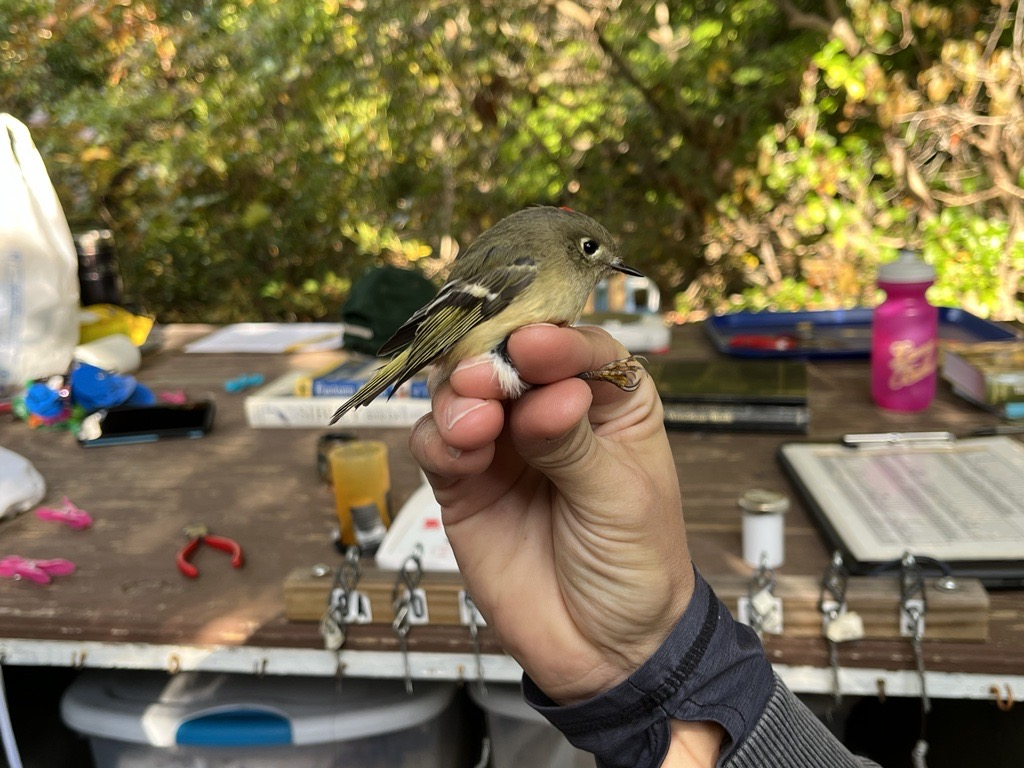
Bird banding station at the Bird Banding Lab
It also deepens your own birding skills. You learn more. You notice more. And you become part of something bigger than yourself.
January is the perfect time to set goals that reflect not just what you want to see, but what you want to stand for as a birder.
Volunteering With Nature Nonprofits & Bird Organizations
One of the most accessible ways to get involved is through established conservation and birding organizations. These groups rely heavily on volunteers, and there’s a role for nearly every interest level and skill set.
Local Bird Clubs and Audubon Chapters
Bird clubs are the backbone of grassroots bird conservation. They organize:
Field trips and bird walks
Educational programs and talks
Community science events
Habitat restoration projects
Advocacy and outreach
Volunteering with a bird club might mean helping with event logistics, leading walks once you’re comfortable, assisting with newsletters or social media, or mentoring new birders.
If you’ve ever benefited from a free field trip or a patient birder helping you identify a tricky sparrow, this is a chance to pay that kindness forward.
Conservation Nonprofits
Many regional and national nonprofits focus on land protection, wildlife corridors, and habitat restoration. Birders are especially valuable for:
Monitoring bird populations on protected land
Assisting with habitat surveys
Removing invasive plants
Restoring native vegetation
Educating the public about birds and ecosystems
These efforts directly impact the places birds depend on to survive.
Supporting City, State, and National Parks
Parks at every level rely on volunteers to extend their reach.
Birders can help parks by:
Participating in bird monitoring programs
Assisting with visitor education and interpretive walks
Helping staff events and festivals
Reporting sightings of rare or sensitive species
Supporting habitat management efforts
In many parks, birders act as informal ambassadors—answering questions, modeling ethical birding behavior, and helping visitors notice the wildlife around them.
Volunteering in parks also opens doors to behind-the-scenes knowledge: access to restricted areas, early morning surveys, and a deeper understanding of how land management decisions affect birds.
Bird Rehabilitation Centers: Helping When It Matters Most
Rehab centers are where the human–bird connection becomes intensely personal.
These facilities care for injured, orphaned, and displaced birds—everything from songbirds and raptors to shorebirds and waterfowl. While not all roles involve direct bird handling, volunteers are essential for:
Intake and triage support
Cleaning enclosures and preparing food
Transporting birds
Assisting education programs
Fundraising and outreach
Even if you never touch a bird, knowing your work helped return one to the wild is profoundly meaningful.
For many birders, volunteering at a rehab center changes how they see threats like window strikes, cats, pesticides, and habitat loss. It often leads to stronger advocacy and more intentional stewardship at home.
Bird Census and Community Science Projects
One of the most impactful ways birders contribute to conservation is through data.
Bird populations are monitored over decades, not years. The trends we talk about today—declines, shifts in range, changes in migration timing—exist because thousands of birders showed up, year after year, and counted birds.
Bird Counts and Surveys
Projects like seasonal bird counts, breeding surveys, migration monitoring, and atlas work depend almost entirely on volunteers.
These efforts:
Track population changes over time
Identify species in decline
Inform conservation priorities and policy decisions
Help researchers understand habitat needs
You don’t have to be an expert to participate. Many programs provide training, and beginners are often paired with experienced birders.
Every checklist matters.
Giving Birds a Data-Driven Voice
When birders submit sightings, they are speaking for birds in a language decision-makers understand: numbers, trends, and evidence.
Your observations can help determine where funding goes, which habitats are protected, and how conservation strategies are shaped.
That’s real influence.
Teaching and Leading: Sharing What You Know
At some point, every birder realizes they’ve become “the experienced one.”
You know more than you think.
Teaching birding skills—formally or informally—is one of the most powerful forms of volunteering. It builds community, grows conservation support, and ensures knowledge is passed along.
Leading Field Trips and Bird Walks
Leading doesn’t mean knowing every bird instantly. It means:
Helping people slow down and observe
Teaching how to use binoculars and field guides
Modeling ethical birding behavior
Creating a welcoming, inclusive experience
Many bird clubs offer mentoring for new leaders, and co-leading is common.
Teaching the Next Generation
Programs in schools, nature centers, and youth groups rely on volunteers to introduce kids to birds. For some children, a single bird walk becomes a lifelong spark.
If birds changed your life—even quietly—this is a way to pass that gift on.
The Deeper Reward: Purpose and Connection
Volunteering doesn’t just help birds. It changes the birder.
Many people find that service brings:
A deeper emotional connection to birds
Stronger friendships and community
Renewed motivation and curiosity
A sense of meaning beyond personal achievement
It turns birding from a solitary pursuit into a shared mission.
And in a world where habitat loss, climate change, and declining bird populations can feel overwhelming, volunteering replaces helplessness with action. And what helps the birds, helps all wildlife - talk about a win/win/win!
You’re no longer just witnessing change—you’re responding to it. And you’re helping create it.
Setting Your Volunteering Birding Goals for the Year
As part of your January reset, consider adding one or two service-based goals to your birding plans:
Volunteer at one bird-related event this year
Join a local bird club and attend meetings
Participate in a bird count or survey
Take training to become a field trip leader
Support a rehab center with regular volunteer hours
Help restore habitat in a local park
Start small. Consistency matters more than intensity.
Your contribution doesn’t have to be dramatic to be meaningful.
If Birds Are Your Thing — Get Involved
Birds have no voice in city planning meetings, policy debates, or land-use decisions. But birders do.
Every hour you volunteer, every checklist you submit, every new birder you encourage adds to a growing chorus speaking up for the natural world.
As you set goals this January, think beyond what you want to see or add to your list.
Think about the legacy you want your birding to leave.
If birds are your thing—
get involved.
They need you.
