

Check Your Birding Gear Before the Year Takes Flight
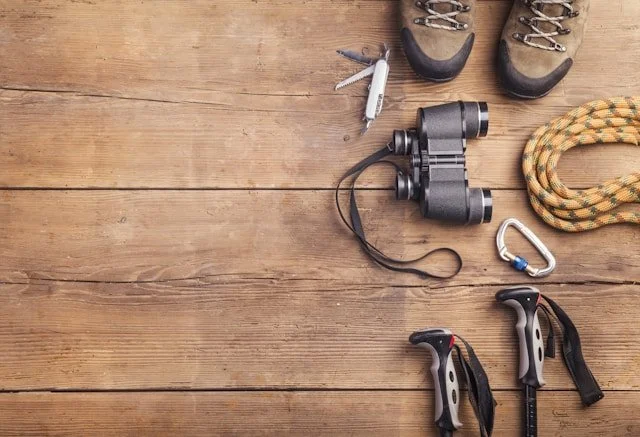
January is a favorite month for birders—not because it’s the best birding weather, but because it’s a reset. New year. Fresh lists. Clean slate. Unlimited possibilities.
You’ve already done the important mental work:
You’ve set your birding goals for the year ahead and planned the trips that will help you reach them. Now comes the practical (and often overlooked) step that turns those plans into successful days in the field:
It’s time to check your birding gear.
A little preparation now can prevent frustration later—whether that’s realizing your field guide doesn’t cover your destination, your boots aren’t warm enough for a northern bog, or your binoculars haven’t been cleaned since last spring. Think of this as a pre-flight checklist for your birding year.
Start With the Big Picture: Where Are You Going?
Before you pull out a single piece of gear, revisit the trips you’ve planned for the year.
Are you:
Heading north to Sax-Zim Bog in February?
Chasing spring migrants along the Gulf Coast?
Exploring desert birding in southeast Arizona?
Planning more local birding with your county bird club?
Your destinations matter. The gear you need for a warm Texas spring is very different from what you’ll need standing quietly in subzero Minnesota temperatures.
(If you haven’t mapped this out yet, now’s a good time to revisit our post on planning birding trips and aligning destinations with timing.)
Field Guides: Still Relevant? Still Useful?
Field guides are the backbone of birding, even in a world of apps and instant ID tools. January is the perfect time to ask a few honest questions about yours.
Does Your Field Guide Match Your Geography?
Many birders own:
A general North American field guide
A regional guide (Eastern, Western, Southwest, etc.)
If your planned trips take you outside your usual range, your guide may be:
Missing key species
Using outdated range maps
Less helpful for subspecies or regional variations
For example, a birder heading to southeast Arizona will benefit from a guide that highlights desert specialties and regional forms you won’t see elsewhere. And an Eastern guide will do you no good at all.
Is It Outdated—or Just Worn Out?
A beloved field guide can also be:
Missing updated taxonomy
Lacking newly split species
Physically worn to the point of frustration
There’s no shame in replacing a guide that’s served you well. Consider keeping:
A new, current edition for study and travel
An older, beat-up copy for quick reference or backyard birding or a sacred place on the nightstand.

Clothing: Comfort Is Not Optional
Birders are famously patient—but being cold, wet, or uncomfortable can end a great day early.
Layering Is Your Best Friend
Especially for winter and shoulder-season birding, think in layers:
Base layer: moisture-wicking, not cotton
Insulating layer: fleece or down for warmth
Outer layer: windproof and waterproof
Standing still for long periods (hello, bog birding) feels much colder than hiking.

Cold-Weather Reality Check: Sax-Zim Bog
Sax-Zim Bog is magical—and brutally cold.
Birders often underestimate:
Wind chill while standing quietly
How fast extremities get cold when you’re glassing for owls
The need for insulated boots rated well below freezing
Warm socks, insulated gloves that still allow dexterity, and face protection aren’t luxuries—they’re necessities.
Don’t Forget the Small Things
January is a great time to inspect:
Gloves with worn fingertips
Hats that no longer block wind
Rain jackets with failing waterproofing
Boots with compromised soles or insulation

Binoculars: Clean, Aligned, Ready?
Your binoculars are your most important piece of birding gear. They deserve a little attention before the season ramps up.
Check for:
Dust or smudges on lenses
Loose eyecups
Stiff focus wheels
Neck straps showing wear
A simple cleaning can dramatically improve clarity—and your enjoyment.
Are They Still the Right Tool?
As your birding evolves, so do your needs. Ask yourself:
Are these binoculars comfortable for long sessions?
Is the field of view adequate for fast-moving birds?
Do they perform well in low light?
January is often when birders realize they’ve outgrown their first pair—or that it’s time to add an upgrade.

Spotting Scopes and Tripods: Often Overlooked
If you use a spotting scope, now is the time to:
Check tripod stability
Tighten loose screws
Clean lenses
Practice quick setup at home
Scopes are invaluable for:
Waterfowl identification
Shorebirds
Distant raptors
A scope that’s awkward to deploy often stays in the car—so make sure yours is easy and ready.
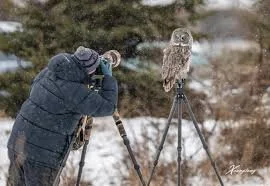
And if you haven’t added a scope to your equipment collection, consider it this year. You’ll be surprised what those specks on the sandbar actually look like through a scope.
(from Facebook)
Accessories That Make the Day Easier
The little things often make the biggest difference.
Consider checking or refreshing:
Binocular harnesses
Lens cloths
Field notebooks or life lists
Power banks for phones or cameras
Small backpacks or daypacks
If you’re planning longer days or travel birding, comfort and organization matter more than ever.
Technology: Apps, Batteries, Backups
Even birders who love paper guides rely on technology in the field.
January is a great time to:
Update birding apps
Download offline maps and checklists
Replace aging charging cables
Test battery life on devices
Nothing derails a day faster than a dead phone when you’re relying on it for navigation or notes.
Gear Check as a Confidence Builder
There’s something deeply satisfying about knowing your gear is ready.
When your equipment works:
You focus on birds, not problems
You stay out longer
You enjoy the experience more fully
Checking your gear isn’t about buying more things—it’s about removing friction between you and the birds you want to see.
A Natural Pause Before the Season Begins
Think of this gear check as the final step in your January reset:
You reflected on last year
You set goals for the year ahead
You planned your trips
Now, you prepare to step into the field with confidence
Birding rewards preparation—but it also rewards joy. When your gear fades into the background, the birds take center stage.
And that’s exactly where they belong.
Up Next in the January Series
Be sure to explore the other January posts in this series:
Each one builds toward a year of more intentional, more rewarding birding.
