

Birds That Use Nest Boxes
And Why YOUR Backyard Matters More Than You Think
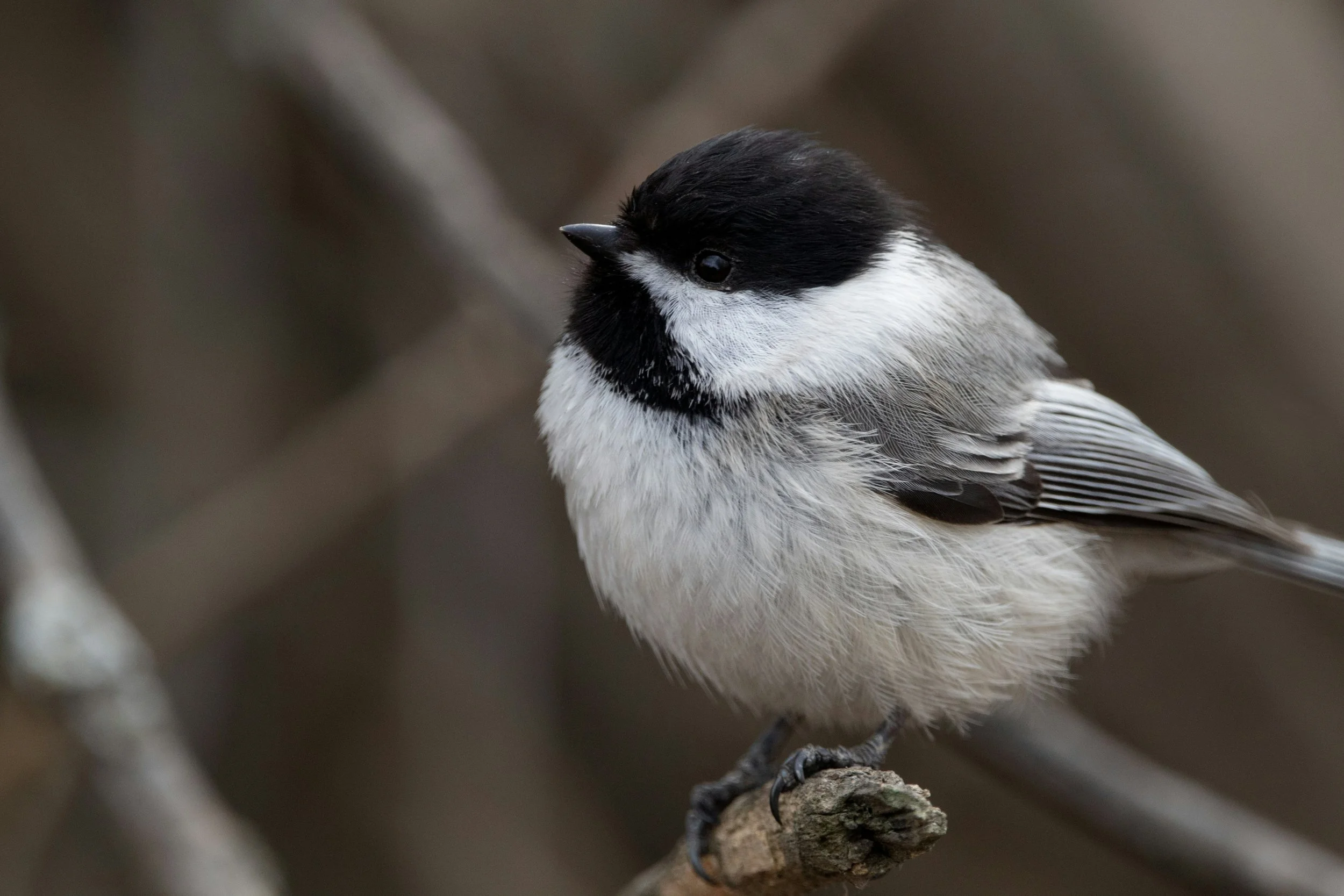
There is something quietly powerful about holding a simple wooden nest box in your hands.
It’s not flashy.
It’s not complicated.
It’s certainly not decorative garden art.
But installed in the right place, with the right dimensions, that small wooden box can become a nursery. A shelter. A beginning.
With the simple act of mounting a properly built nest box — functional, not decorative — a homeowner can support generations of songbirds, strengthen local bird populations, and even help manage insects naturally without a drop of chemicals. That box may hold six baby bluebirds one spring… and six more the next… and six more the year after that. Multiply that by neighborhoods, farms, schoolyards, parks — and suddenly something small becomes something powerful.
Across North America, many birds don’t build open cup nests in shrubs or trees. Instead, they depend on cavities — protected hollow spaces inside trees or posts — to raise their young safely. From tiny chickadees to brilliant bluebirds, from elegant swallows to American kestrels, from screech-owls to wood ducks, these birds all share one quiet vulnerability:
They need a hole in a tree. And whether it’s a natural-cavity or a nest box, your backyard birds will use them year-round. On cold, winter days, many of these little birds will huddle together in them tomorrow share the safety and the warmth to get them through the freezing nights.
And we’ve removed many of those trees. We see them as unsightly or dangerous or an insurance liability so we chop them down.
In this guide, we’ll explore:
Which North American birds use nest boxes
Why natural nesting cavities are disappearing
How leaving dead trees standing helps more than you might realize
Why correct dimensions matter (and decorative boxes don’t cut it)
How your yard can become part of a conservation solution
A free printable Nest Box Requirements Chart to guide you
(Purple Martins — the great ambassadors of cavity nesting — deserve their own full post, read that here Purple Martin Guide)
Let’s talk about why this matters.
The Quiet Housing Crisis for Cavity-Nesting Birds
Cavity-nesting birds evolved in landscapes full of aging trees, lightning strikes, woodpecker holes, and natural decay. Forests weren’t tidy. Fields had scattered snags. Rivers carved out riparian corridors with old cottonwoods full of hollows.
Today?
We remove dead trees for safety or aesthetics.
We clear open land for development.
We thin forests.
We manicure parks.
Each individual decision makes sense. But collectively, they create a housing shortage.
Unlike robins or cardinals, cavity nesters cannot simply build a new nest anywhere. They don’t weave twigs into a forked branch. They rely on holes already made — usually by woodpeckers or rot.
When those holes disappear, reproduction drops.
The good news? This is one conservation story where homeowners can make an immediate difference.
Let’s meet the species who will readily accept your help.
Bluebirds (Eastern, Western & Mountain)
Few conservation stories are as hopeful as the bluebird’s.
Bluebirds do not excavate their own cavities. They depend entirely on natural holes — historically in fence posts and old orchard trees. As farmland modernized and dead wood disappeared, bluebird populations declined sharply.
Nest boxes changed that.
Across North America, backyard birders began installing properly sized wooden boxes in open fields and pastures. The result? Millions of successful fledglings and a remarkable recovery.
A single bluebird pair may raise two broods in one season. Each brood can contain 4–6 nestlings. That’s potentially 8–12 insect-hunting juveniles in your yard each summer.
And bluebirds feed almost exclusively on insects during nesting season.
No chemicals required.
Chickadees
Tiny but fierce, chickadees rely on soft or decaying wood to excavate shallow cavities. But when older trees disappear, so do their nesting sites.
Chickadees readily use properly sized nest boxes in wooded yards and forest edges.
Inside that small wooden chamber, they line their nests with moss and fur. They produce large broods and feed their young thousands of caterpillars and soft-bodied insects.
One nesting pair of chickadees can remove thousands of insects from your yard in a single season — while raising their family just a few feet from your window.
Titmice
Often overlooked, titmice depend on mature woodland habitat and existing cavities. They begin scouting nest sites early each year.
In suburban neighborhoods with fewer aging trees, nest boxes provide vital alternatives.
Like chickadees, titmice feed heavily on insects during nesting season — providing natural pest management while strengthening local biodiversity. And if you mount a small bird feeder in a safe place in your yard, their lively chittering calls brighten your property throughout the nesting season and continue all year long.
Get the FREE NEST BOX CHART:
Swallows (Tree Swallows & Violet-green Swallows)
Some swallows nest in cavities, especially Tree Swallows and Violet-green Swallows.
They prefer open areas near water or fields — places that historically contained scattered dead trees.
Swallows are aerial insect specialists. They consume mosquitoes, flies, and other flying insects by the thousands.
Installing a properly spaced nest box near water or open land doesn’t just help birds — it changes the ecological balance of your property.
Swallows will sometimes compete with bluebirds for a nesting box. Don’t scare away the swallows - Rejoice! You’re becoming a nest box landlord and steward. Consider adding another box nearby but with as much space as you can create. You’ll have both families moving in within days.
American Kestrels
North America’s smallest falcon depends on cavities near open hunting ground.
Grassland conversion and removal of old trees have reduced available nest sites across much of their range.
Kestrel nest box programs have become one of the most effective grassroots conservation tools in the country.
And when a kestrel pair chooses your box?
You are hosting a raptor nursery.
They’ll hunt grasshoppers, rodents, and large insects — restoring a natural predator presence in landscapes that have lost many of them.
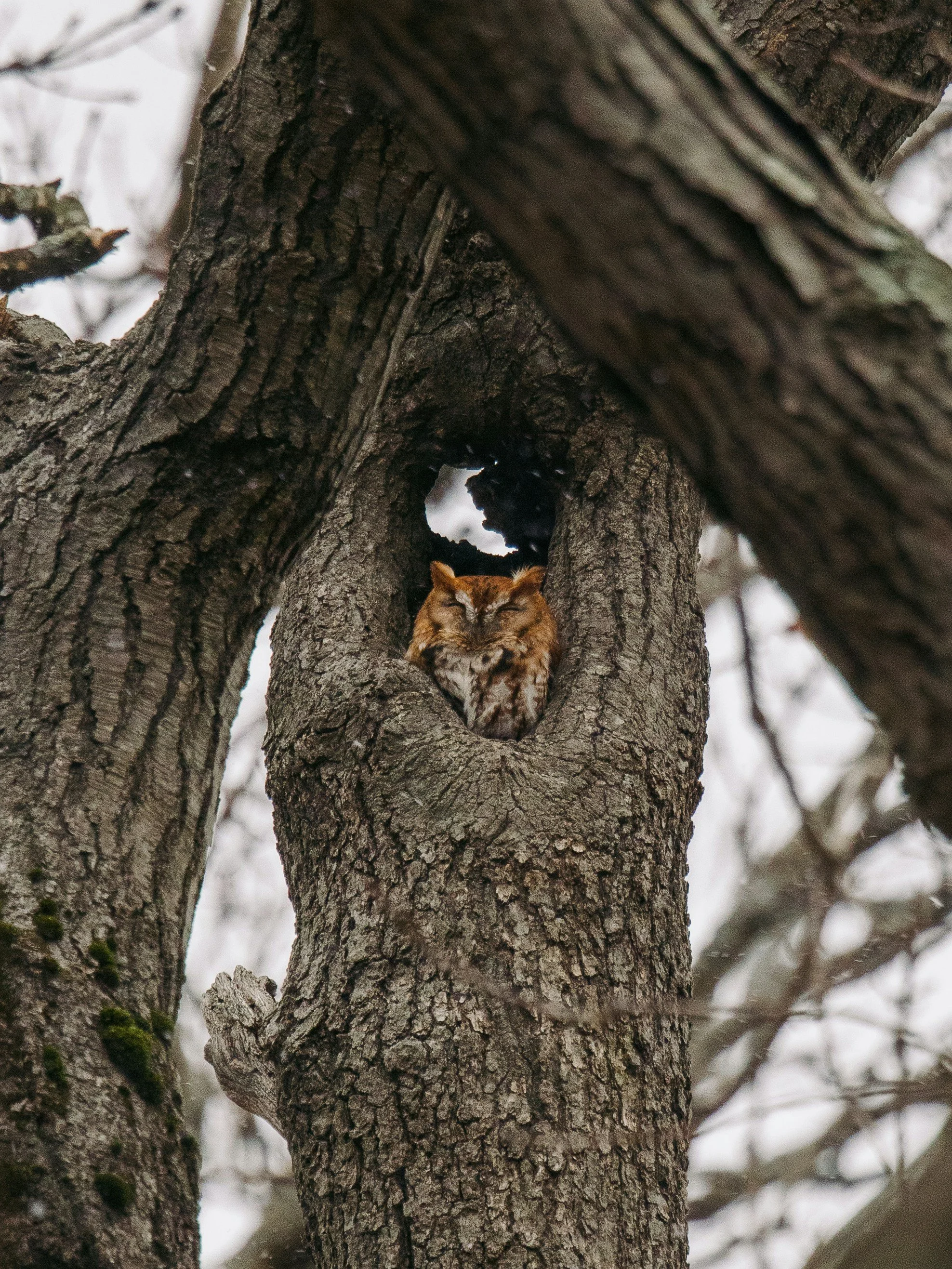
Screech-Owls
Screech-owls rely on large cavities created by woodpeckers or tree decay.
A properly installed owl box can support nesting pairs in orchards, wooded neighborhoods, and riparian corridors.
And imagine the quiet magic of knowing that a small owl is raising its young safely in your yard — roosting through winter and calling softly at dusk.
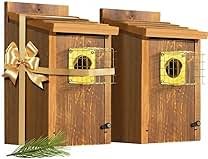
If your carpentry skills are as suspect as mine, consider purchasing a 2 pack of bluebird houses or searching for nest boxes are other species listed in this post. Click here for pre-built nest boxes.
Wood Ducks
Wood Ducks nest in cavities near wetlands. Large nest boxes placed near ponds and marshes have helped stabilize their populations in many regions.
These boxes require careful placement and predator guards — but they demonstrate how intentional housing can directly support a species’ survival.
Why Decorative Boxes Aren’t Enough
Here’s something important:
Most decorative birdhouses sold in garden stores are not suitable for nesting birds.
They may lack:
Proper ventilation
Drainage holes
Adequate interior depth (distance between entrance hole and bottom of box)
Correct entrance hole diameter
Side-opening panels for cleaning
And entrance hole size matters enormously.
A hole just slightly too large invites invasive house sparrows or starlings. Too small, and your intended species can’t enter. Depth determines protection from predators.
Functional boxes, built to species-specific dimensions, are what make a real impact.
(That’s exactly why I created a free Nest Box Requirements Chart for you. Get it here!)
Decorative bird “houses” are great garden art. Just protect the birds by blocking the entrance hole so no one can enter it and then enjoy the garden art year round.
The Importance of Leaving Dead Trees Standing
Before installing a single box, pause and look around your property.
Is there a standing dead tree that poses no safety risk?
If so, consider leaving it.
That snag could:
House woodpeckers
Provide cavities for chickadees
Offer roosting for owls
Supply insects for foraging birds
A single dead tree may support more life than a dozen ornamental trees.
In conservation circles, snags are sometimes called “wildlife hotels.” They are invaluable.
Protecting Open Space — Even Small Parcels Matter
Bluebirds and kestrels need open ground to hunt. Swallows need aerial space. Owls need woodland corridors.
Protecting even small undeveloped parcels — or allowing a corner of your yard to remain slightly wild — helps sustain the full life cycle of cavity nesters.
This isn’t just about boxes. It’s about habitat.
What One Box Can Do
Let’s make this tangible.
You install two properly sized bluebird boxes this spring.
Each hosts two broods of five nestlings.
That’s twenty insect-eating juveniles fledged in a single season.
If even half survive to adulthood and return to breed?
Your single decision may influence dozens — possibly hundreds — of birds over the next decade.
That is not sentimental exaggeration.
That is compounding ecological impact.
A Small Gesture with Generational Impact
You don’t need acreage.
You don’t need a wildlife degree.
You don’t need a massive budget.
You need:
A correctly built wooden nest box
The right dimensions
Proper placement
Annual monitoring
And the willingness to participate
That’s it.
With that small gesture, you become part of a larger conservation story — one that stretches across neighborhoods and continents.
Purple Martins
Purple Martins have an especially unique relationship with human-provided housing — particularly in the eastern United States. Their use of gourds and colony houses deserves a dedicated guide, read it here: Purple Martins.
Download the Free Nest Box Requirements Chart
To make this easy, I created a printable chart outlining:
Entrance hole sizes
Floor dimensions
Interior height
Mounting height
Habitat notes
Special considerations
So you can install boxes confidently and correctly.
👉 Get the Nest Box Requirements Chart here.
Because sometimes conservation isn’t complicated. Always use untreated western cedar boards 3/4” thick for durability and insulation. For our nest boxes here in HOT, HOT Texas. We add an extra overlapping roof panel with spacers between the two roof pieces. This shades the roof and keeps the nestlings a little cooler.
Sometimes it starts with a wooden box, a few screws, and the decision to care.
