

Fall Birding Essentials Product Guide 2026
Stay Warm, See More Birds and Make the Most of Fall Birding
Fall is one of the most exciting seasons to be a birder.
Millions of birds are on the move. Warblers slip quietly through changing leaves. Hawks gather along ridgelines. Shorebirds pause at wetlands and mudflats, while hundreds of species begin to leave their northern nesting grounds and settling in the fields, hedgerows and backyards across the warmer parts of the country.
The air is cooler, the colors are beautiful and every outing holds the possibility of seeing something unexpected.
But fall birding also brings a few challenges. A comfortable morning can become surprisingly cold when the wind rises. Gloves can make it difficult to adjust binoculars or use a birding app. Shorter days and changing light conditions may reveal the limitations of older optics. And when several similar-looking migrants appear at once and in the non-breeding plumages of autumn, a dependable field guide becomes especially valuable.
The right equipment will not identify the birds for you, but it can help you remain outdoors longer, observe more carefully and enjoy the experience much more.
Our Fall Birding Essentials Product Guide for 2026 includes clothing, optics, notebooks, drinkware and field guides selected with real birding conditions in mind. You will find these products—and many additional choices—at the RBB Essentials Amazon Store.
Begin with Versatile Fall Layers
The secret to dressing comfortably for fall birding is layering.
Temperatures may be quite cool when you leave home, especially before sunrise, but warm rapidly once the sun appears. A vest is one of the most useful pieces of fall clothing because it keeps your core warm without restricting your arms when you lift binoculars, carry a spotting scope or adjust a camera.
Visit The Rather Be Birding Essentials Store
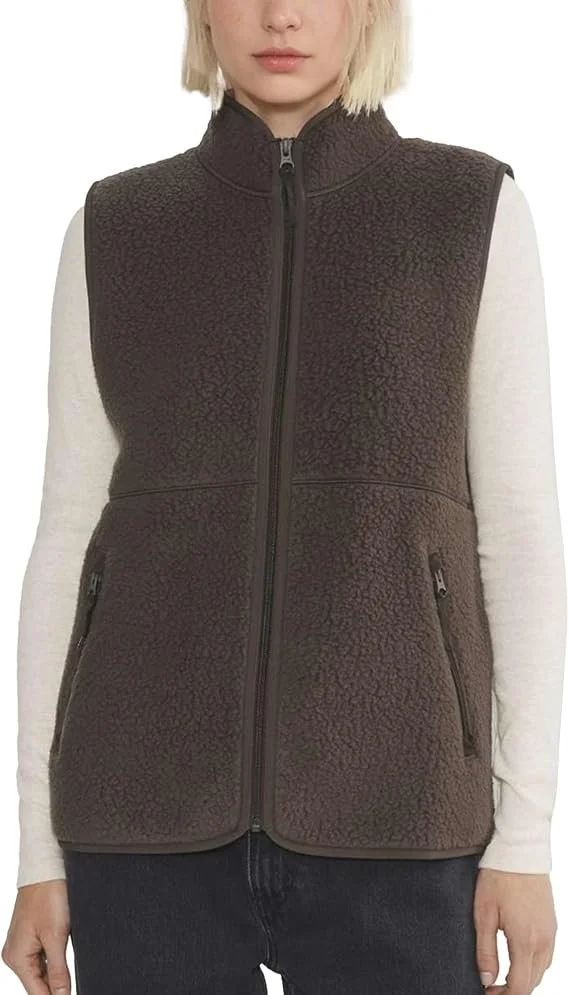
Hixiaohe Sherpa Fleece Vest for Women
The Hixiaohe Sherpa Fleece Vest for Women is a cozy option for cool mornings, relaxed backyard birding and casual walks along sheltered trails.
Its fuzzy sherpa-style fleece provides warmth without the bulk of a heavy winter coat. The sleeveless design allows plenty of freedom of movement, and the stand-up collar helps protect the neck when the air is chilly. A full zipper makes it easy to regulate your temperature as the day warms.
The vest also includes two zippered side pockets. Secure pockets are particularly helpful for birders because they provide places for a phone, lens cloth, lip balm, keys or a small notebook without worrying that those items will fall out along the trail.
Wear it over a long-sleeved shirt on a mild day or beneath a wind-resistant jacket when the forecast is colder. Its casual appearance also makes it useful away from the trail.
This is a comfortable choice for birders who want warmth, easy movement and a layer that can transition from an early walk to the rest of the day.
Shop here!
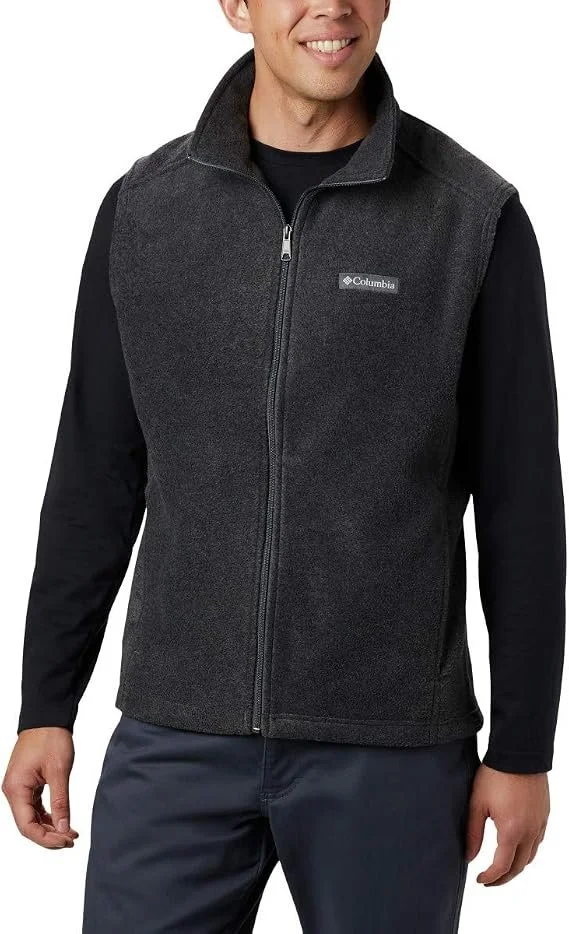
Columbia Men’s Steens Mountain Fleece Vest
The Columbia Men’s Steens Mountain Fleece Vest is a classic midweight layer that works well for birding, hiking, travel and everyday outdoor use.
The soft polyester fleece adds warmth around the torso while leaving the arms free. Its regular fit makes it easy to wear over a base layer or flannel shirt, and it can also fit beneath a rain shell or heavier jacket.
A full-length front zipper lets the wearer quickly adjust to changing conditions. The collar can be raised to help block cool air or folded down when the temperature rises. Zippered hand pockets provide secure storage for small essentials while also offering a place to warm cold hands.
This vest is especially useful on those unpredictable fall days when a heavy coat would be too much but a shirt alone is not enough. It is an uncomplicated, practical layer that can remain in the vehicle or birding bag throughout the season.
Protect Your Hands Without Losing Dexterity
Cold fingers make everything more difficult. Focusing binoculars, turning the pages of a field guide and entering a sighting into a phone can all become frustrating when your hands are stiff. It’s just harder to enjoy the birding when your fingers are cold.
Bulky winter gloves may keep your hands warm, but they are not always practical for birding. A lighter glove that provides warmth, grip and touchscreen access is often a better choice during fall.
Warm hands!
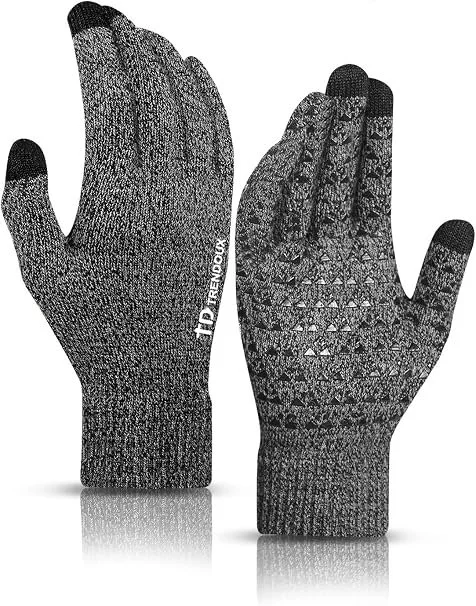
Trendoux Touch Screen Winter Gloves
Trendoux Touch Screen Winter Gloves are designed to provide warmth while allowing you to continue using a smartphone or other touchscreen device.
Conductive material on the thumb and fingers allows you to open a birding app, check a map, photograph a bird or record a sighting without repeatedly removing your gloves. This is a small feature that becomes increasingly important during long, cold outings.
The gloves also include a nonslip palm treatment for a more secure grip. That added traction can help when holding binoculars, a phone, a travel mug or the steering wheel on an early drive to a birding location.
An elastic cuff helps keep the gloves close around the wrist and reduces the amount of cold air entering the glove. Their relatively streamlined design preserves more finger movement than a heavy ski glove.
For very cold conditions, you may still want mittens or a more insulated outer glove. For cool fall mornings, however, these touchscreen gloves offer a useful balance of warmth and dexterity.
Do Not Forget a Warm Hat
We sometimes concentrate so much on jackets and gloves that we forget how much more comfortable a warm hat can make us feel. This is especially true when birding in an exposed area where there is little protection from the wind.
Warm hat means you can keep birding longer
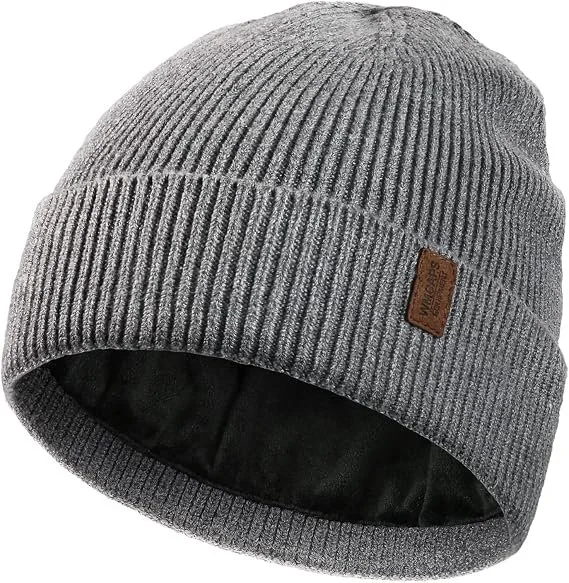
Wmcaps Winter Beanie
The Wmcaps Winter Beanie is a simple cold-weather accessory that can make an enormous difference on a chilly morning.
The knit exterior has a casual appearance, while the soft fleece lining provides additional warmth and feels comfortable against the skin. The cuffed design offers a snug fit and helps cover the ears—particularly important when watching hawks from a windy overlook or scanning a lake from an exposed shoreline.
The stretchy construction allows the hat to fit a range of head sizes without feeling excessively bulky. It can also be folded or rolled and tucked into a coat pocket or birding bag once the day warms.
A neutral or earthy color can be an especially good choice for birding. Bright colors do not automatically frighten every bird, but subdued clothing helps you blend more naturally into the background and keeps the attention on the birds.
Choose Optics That Match the Way You Bird
Good binoculars are one of the most important investments a birder can make. Bright, clear glass can turn a distant silhouette into a bird you can actually study.
Whether you are considering a starter pair for birding on a budget or a upgrade to the binoculars you’ve dreamed of, we are likely to have it at a great value at the RBB Essentials Amazon Store to make your birding trip even more memorable.
Fall is an excellent season to upgrade your optics because migrating birds appear in so many different settings. You may be searching for warblers in dense foliage one day and identifying hawks high overhead the next.
The RBB Essentials Amazon Store includes binoculars at different prices and magnifications. Two excellent options for fall birding are the Vortex Diamondback HD 8x42 and the Nikon Monarch M7 10x42.
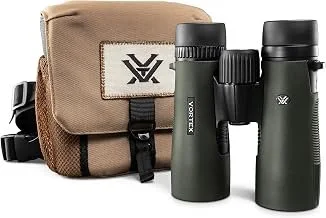
Great Binoculars=More Birds
Vortex Diamondback HD 8x42 Binoculars
The Vortex Diamondback HD 8x42 is a versatile binocular for beginning birders as well as experienced birders looking for dependable everyday optics.
The 8x magnification provides a steady image and a wide field of view—approximately 393 feet at 1,000 yards. That wider view makes it easier to locate birds moving quickly through trees, brush or mixed feeding flocks.
The 42mm objective lenses gather enough light to produce a bright image during the early morning and late afternoon hours when many birds are particularly active. The HD optical system and fully multicoated lenses are designed to improve clarity, color and light transmission.
These binoculars also offer a close focus of about five feet. That can be surprisingly useful for observing butterflies, dragonflies and nearby birds, as well as studying details at a feeder.
The rubber-armored exterior provides a secure grip, and the binoculars are waterproof and fogproof for use in damp or changing weather. At approximately 21.8 ounces, they remain manageable for extended walks.
For many birders, an 8x42 binocular represents the ideal combination of brightness, field of view, steadiness and magnification.
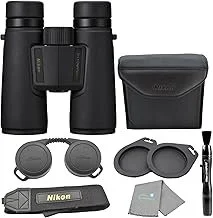
Great binoculars are easier on your eyes
Nikon Monarch M7 10x42 Binoculars
Birders who frequently observe hawks, waterfowl, shorebirds or other distant birds may appreciate the additional reach of the Nikon Monarch M7 10x42.
The 10x magnification brings faraway birds closer and can make it easier to study plumage details at a distance. This can be valuable when scanning a reservoir, watching a raptor kettle or comparing similar shorebirds across a mudflat.
Despite the higher magnification, the Monarch M7 10x42 offers a wide field of view for its class—approximately 362 feet at 1,000 yards. Nikon’s optical coatings and extra-low dispersion glass help provide bright, clear images with accurate color and good contrast.
The binoculars are waterproof and nitrogen-filled to resist internal fogging. Twist-up eyecups help users find a comfortable viewing position, including many people who wear glasses.
At approximately 24 ounces, the Monarch M7 is still light enough for regular field use while providing the stronger magnification some birders prefer.
One caution, as we birders age, some of us experience hand trembling which can show up as a shaky image especially in binoculars with stronger magnification. If your hands shake, reconsider 8x for a smoother view.
Should You Choose 8x42 or 10x42?
Neither magnification is automatically better for every birder.
Choose an 8x42 binocular if you want a wider view, an easier time finding moving birds and an image that is generally steadier in your hands. Eight-power binoculars are particularly well suited to woodland birding, backyard watching and beginning birders.
Consider a 10x42 if you regularly watch birds in open country, across water or high overhead. The extra magnification can reveal additional detail, although the narrower field and increased hand movement may require a little more practice.
Keep a Simple Fall Birding Notebook
Birding apps are useful, but there is still something special about keeping a paper notebook.
Writing down what you noticed—the size of the bird, its behavior, its call, the habitat and the weather—encourages careful observation. Even when you cannot identify a bird immediately, your notes may help you solve the mystery later.
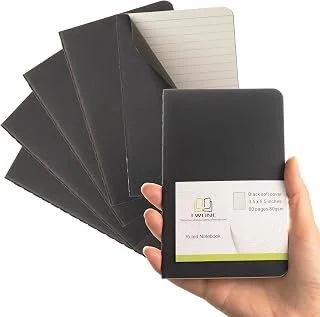
Notes can improve your birding skills
TWONE Six-Pack Mini Pocket Notebooks
TWONE Mini Pocket Notebooks measure approximately 3.5 by 5.5 inches, making them small enough to carry in a vest pocket, purse, backpack or glove compartment.
Each notebook contains 30 sheets, or 60 pages, protected by a simple black cardstock cover. Because they come in a pack of six, you can keep one in several convenient places or dedicate different notebooks to different locations or seasons.
Try using one notebook for backyard sightings, another for travel and another as a fall migration journal. Record the date, location, weather and species seen. Leave room for sketches, questions and notes about behaviors you want to research.
A field notebook does not have to be neat or artistic. Its purpose is to slow you down and help you notice more.
Bring Something Warm—or Celebrate Your Love of Birds at Home
A hot drink is especially welcome after a cold morning outdoors. Bird-themed mugs and tumblers also make enjoyable gifts for birding friends, trip leaders, volunteers and anyone who would rather be watching birds.

Coffee and birds - what could be better?
YmeerGifts Birdwatching Mug
The YmeerGifts Birdwatching Mug is a white ceramic mug featuring the birding-inspired message “Not All Who Wander Are Lost.”
The 11-ounce mug is microwave safe, making it a practical choice for morning coffee, tea or hot chocolate. Its message will feel familiar to anyone who has taken the long route home because an interesting bird appeared—or wandered farther down a trail just to see what might be around the next bend.
It would make a thoughtful birthday, holiday or thank-you gift for a birder. It is also a cheerful addition to your own desk, kitchen or favorite window-watching spot.
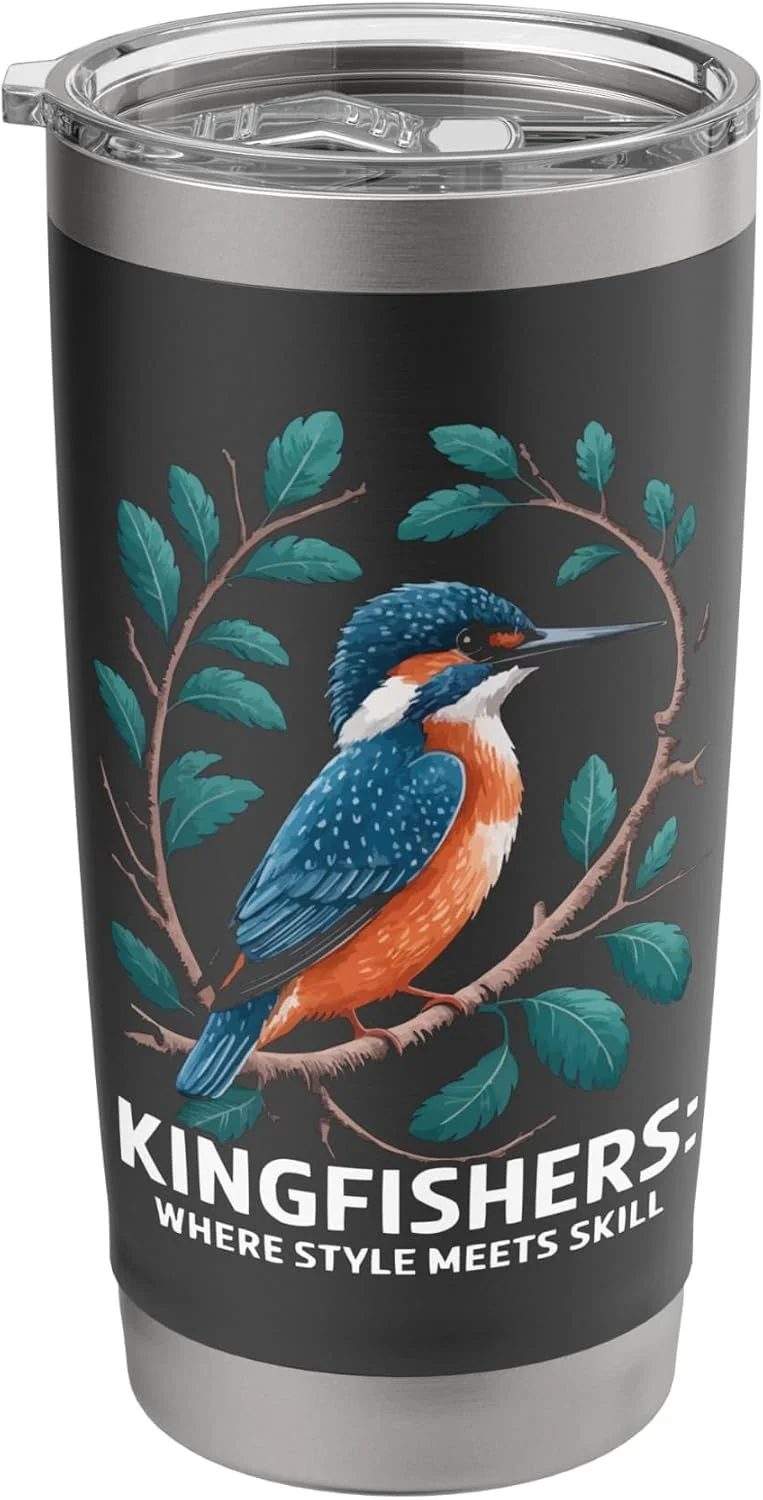
Keep that coffee warm all morning.
Belted Kingfisher Bird Lover Insulated Tumbler
The Belted Kingfisher Bird Lover Insulated Tumbler combines a favorite North American bird with the convenience of an insulated travel cup.
The stainless-steel tumbler holds approximately 20 ounces and uses double-wall insulation to help keep drinks hot or cold. That makes it suitable for early birding drives, long sits at a hawk watch or afternoons spent waiting beside a lake.
The Belted Kingfisher design gives the tumbler plenty of personality. It is a fun choice for anyone who enjoys that familiar rattling call and the sight of a kingfisher patrolling a river or pond.
An insulated tumbler can also help birders remember to bring enough to drink. Hydration matters even when the weather is cool and you do not feel as thirsty as you would during summer.
Carry a Field Guide You Will Actually Use
Bird identification apps are convenient, but a printed field guide allows you to compare several similar birds on the same page. It never needs a signal or battery, and it can become one of your best learning tools.
Fall is an especially good time to keep a regional guide nearby because migration can bring unfamiliar species into your area.

Helps you accurately identify birds.
The Sibley Field Guide to Birds of Eastern North America
The Sibley Field Guide to Birds of Eastern North America is a compact regional guide covering approximately 650 species found east of the Rocky Mountains.
David Sibley’s detailed illustrations show birds in different plumages, ages and flight positions. The accompanying captions point out important field marks, while range maps help readers understand where and when a species is likely to occur.
Those multiple plumages are particularly valuable in fall, when many young birds and adults in nonbreeding plumage no longer resemble the bright birds shown in spring photographs.
This guide is useful for both beginners and experienced eastern birders. Rather than simply looking up a bird after seeing it, spend time reading a few pages before an outing. Learning the likely sparrows, warblers, hawks or waterfowl in advance makes field identification much easier.

Helpful information and beautiful artwork.
National Geographic Field Guide to the Birds of the United States and Canada—West
For birders from the Rocky Mountains westward, the updated National Geographic regional guide is an extensive resource covering the birds of the western United States and Canada, including Hawaii.
The guide features updated text, revised artwork and data-based range maps. Its nearly 1,000 species provide broad coverage for western residents, migrants and less frequently encountered birds.
Helpful organization, family references and comparison illustrations make it easier to work through difficult identification problems. This can be particularly useful in a region that includes such varied habitats as coastal shorelines, deserts, mountain forests, grasslands and the Pacific Northwest.
Beginning birders can use the guide to become familiar with common families, while more experienced birders will appreciate its expanded regional coverage.
Build Your Own Fall Birding Kit
You do not need to purchase everything at once. Begin with the items that address the problems you experience most often.
If you become cold and leave early, improve your layers. If you struggle to see field marks in dim light, consider upgrading your binoculars. If you forget the details of an unidentified bird, carry a pocket notebook. If you depend entirely on an app, add a printed field guide to your vehicle or birding bag.
A practical fall birding kit might include:
Binoculars and a comfortable strap or harness
A regional field guide
A pocket notebook and pencil
A fleece vest or other removable layer
Touchscreen-compatible gloves
A warm hat
Water or a warm drink
A lens cloth
Sunscreen and insect repellent
A compact rain layer
A fully charged phone and portable power bank
The goal is not to carry more equipment than you need. It is to bring the few things that keep you safe, comfortable and attentive to the birds around you.
Find More Fall Birding Choices at the RBB Essentials Amazon Store
These eleven products are only a starting point.
The RBB Essentials Amazon Store includes many more choices for birders, including optics, field guides, outdoor clothing, notebooks, drinkware, backyard bird supplies and gift ideas. Different birders have different needs, budgets and physical preferences, so take time to choose equipment that suits the way you enjoy birds.
Then pack a warm layer, grab your binoculars and get outside.
Fall migration will not wait—and some of the most memorable birding days of the year may be just ahead.
Ready for Fall Migration?
Choose the layers, optics and field tools that fit the way you bird. Then explore even more clothing, binoculars, guides and bird-lover favorites in the RBB Essentials Amazon Store.
Disclosure: This article contains affiliate links. As an Amazon Associate, Rather Be Birding earns from qualifying purchases. If you purchase through one of our links, we may receive a small commission at no additional cost to you. Product features, prices and availability may change.
