

North American Hummingbirds
Tiny Birds, Big Lives
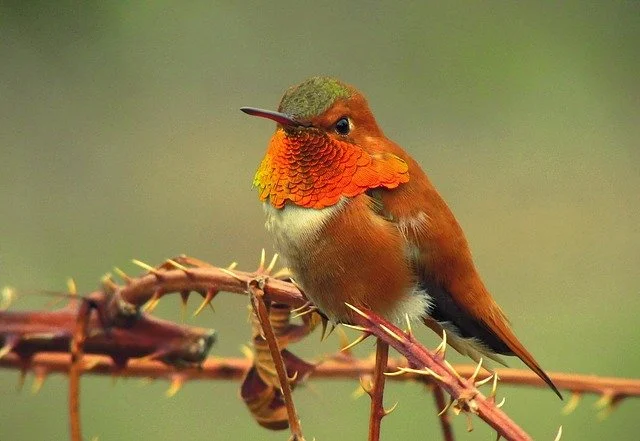
Hummingbirds are among the most captivating birds in North America—jewel-bright, impossibly small, and powered by an engine that seems to defy physics. They hover, reverse, sprint through the air, and migrate astonishing distances, all while playing an outsized role as pollinators. Whether you’re watching a single visitor at your backyard feeder or standing in a desert canyon alive with whirring wings, hummingbirds invite awe.
This guide explores North American hummingbirds from the ground up: their natural history, how to attract them responsibly, where they nest, where to find the greatest concentrations, how far they migrate, and—most importantly—what we can do to help them thrive.
Natural History: Built for Speed and Precision
Hummingbirds are masters of energy management. Their wings beat 40–80 times per second (even faster during courtship dives), creating the familiar hum that gives them their name. Unlike other birds, they can hover and fly backward thanks to a ball-and-socket shoulder joint that allows a figure-eight wing motion.
To fuel this lifestyle, hummingbirds live on a knife edge of energy balance. Nectar provides quick carbohydrates, while tiny insects and spiders supply essential protein, fats, and minerals. At night—or during cold snaps—many species enter torpor, a temporary, controlled drop in body temperature and heart rate that conserves energy until morning.
Despite their delicate look, hummingbirds are tough. They tolerate heat, cold, storms, and long migrations that would humble much larger birds.
Attracting Hummingbirds: Feeders, Flowers, and Timing
Feeders: Simple Is Best
A hummingbird feeder is often the fastest way to attract visitors.
Best practices
Use a 1:4 sugar-to-water ratio (1 cup white sugar to 4 cups water).
Boil the water to dissolve sugar; cool before filling.
Never use red dye, honey, brown sugar, or artificial sweeteners.
Clean feeders every 2–3 days in hot weather (5–7 days when cooler). The black mold that sometimes grows in unclean feeders is deadly to the birds.
Choose feeders with bee guards and minimal yellow (which attracts wasps).
The clear dome helps keep out the weather, provides a tiny bit of shade and slows the growth of bacteria/mold. The red color gets the hummers to notice the feeder.
Feeders with cameras helps the viewer in identifying these fast-moving beautiful birds and adds to the enjoyment of feeding hummingbirds.


Feeders are especially helpful during migration, nesting season, drought, or cold snaps when natural nectar is scarce.
Plantings: Help Hummers Be Hummers
Native plants turn your yard into real habitat, not just a pit stop.
Hummingbird favorites
Trumpet vine
Coral honeysuckle
Salvia
Bee balm
Penstemon
Cardinal flower
Native sages and desert plants in the Southwest
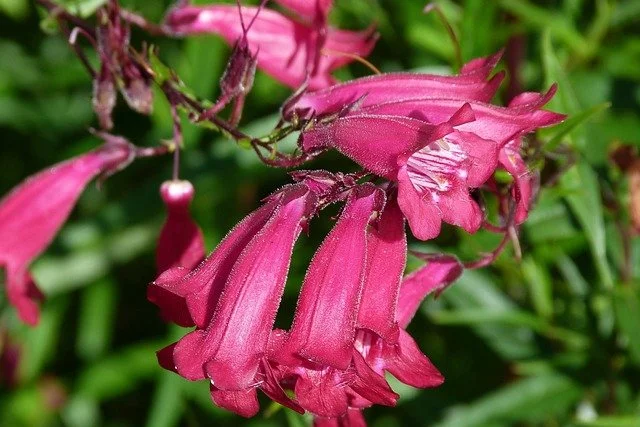
Plant for continuous bloom from early spring through fall. Tubular red, orange, and pink flowers are especially attractive, but diversity matters more than color alone.
Nesting Requirements: Small, Subtle, and Strategic
Hummingbird nests are marvels of engineering—often no bigger than a walnut half. Females build them alone, using plant down, spider silk, and lichens to create a stretchy cup that expands as chicks grow.
What hummingbirds need to nest successfully
Trees and shrubs with horizontal branches
Access to spider webs and soft plant fibers
Nearby nectar and insect sources
Quiet spaces free from frequent disturbance
Unlike cavity nesters, hummingbirds don’t use nest boxes. The best “nesting support” is natural structure: trees, shrubs, and an insect-friendly yard.
Hotspots for Hummingbird Activity
While hummingbirds appear across much of North America, some places feel like front-row seats to their diversity and abundance.
🌵 Southeast Arizona
Southeast Arizona is legendary among birders. Mountain ranges (“sky islands”) create overlapping habitats that host an extraordinary variety of hummingbird species, especially from late summer into fall. Feeders in canyons and foothills can attract multiple species at once during migration. As many as 17 species of hummingbirds are found in the state. (Watch for a post about the region within a few weeks.)
🌴 South Texas
South Texas is another hummingbird crossroads, particularly in spring and fall. Its position near the Gulf Coast and Mexico makes it a vital stopover and wintering area for some species. About 18 species can be seen with 9 species being considered common. (A Texas-sized post about Hummingbirds will be available soon.)
Backyard feeders in both regions are not just recreational forcing—they are meaningful support during peak movement periods. A fall festival in Rockport, Texas is dedicated to the southern migration of the Ruby-throated Hummingbird —a must-see every September.
Migration: Small Birds, Epic Journeys
Hummingbird migration is one of the most astonishing feats in the bird world.
Some species migrate thousands of miles each year.
Many travel solo, not in flocks.
Individuals may return to the same yard and feeder year after year.
Fall Migration: Farther Than You Think
Fall migration is especially fascinating. Young birds often travel farther south than adults, pushing the species’ overall range. Weather patterns, food availability, and genetic programming all influence how far individuals go.
In recent years, some species have also adjusted migration timing and winter ranges—likely in response to climate, urban plantings, and widespread feeder availability.
Interesting Hummingbird Facts (Because They Deserve It)
A hummingbird’s heart can beat over 1,200 times per minute in flight.
They lick nectar up to 13 times per second, using fringed tongues.
Despite their speed, hummingbirds have excellent spatial memory and remember every flower and feeder they visit.
Females are often larger and more aggressively territorial than males especially around food sources or nesting sites.
That tiny nest you spot may hold chicks that double in size in just days.
How Humans Can Help Hummingbirds Most
Hummingbirds don’t need us to “save” them—but they do need us to be good neighbors.
Here’s what truly helps:
Plant native, nectar-rich flowers to provide real food.
Maintain clean, safe feeders using proper nectar recipes.
Avoid pesticides and herbicides, which remove essential insects.
Leave some wildness—shrubs, seed heads, spider webs.
Keep feeders up later in fall to support migrating birds.
Support habitat conservation encouraging native plant corridors.
Share accurate information so others avoid harmful myths (like red dye).
Small actions, multiplied across neighborhoods, can make an enormous difference for these tiny travelers.
Final Thought
Hummingbirds remind us that scale doesn’t equal significance. They are proof that resilience, beauty, and endurance can come in the smallest packages—and that thoughtful human stewardship can tip the balance in their favor.
If you give them flowers, clean feeders, and space to live as they evolved to live, hummingbirds will do the rest—dazzling us in the process.
Upcoming posts:
Hummingbird - Care & Feeding
Hummingbird Hotspots
Birding Festivals - Hummingbird Migration
Arizona Hotspots
Texas Hotspots
