

What to Pack for a Spring Migration Birding Trip
Smart, Lightweight Gear for Birding Hotspots (Without Overpacking)
There’s a particular feeling the night before a spring migration trip.
Your binoculars are by the door.
Your field guide is on the table.
You’ve checked the weather three times.
And somewhere in the back of your mind you’re thinking:
“What am I forgetting?”
If you’ve ever arrived at a birding hotspot and realized you forgot a hat… or your neck hurts from a heavy strap… or your water bottle is still in the car three miles away… you know exactly what I mean.
Migration birding is different from backyard birding.
Hotspots mean:
long walks
early mornings
sudden rain
blazing sun
muddy trails
lots of standing
lots of waiting
lots of lifting binoculars
And usually… very few places to buy what you forgot.
After years of chasing birds from the Texas Coast to Sax-Zim Bog to Southeastern Arizona, I’ve learned something simple:
👉 Comfort equals better birding.
If you’re comfortable, hydrated, protected from the weather, and carrying your gear easily… you notice more birds.
If you’re distracted, sore, or fumbling with equipment… you miss things. I use to pack as though I was going on a month long safari but I have learned to anticipate problems, pack for versatility and enjoy the journey more. Planning helps above anything else.
So here’s a practical packing guide — built around real items we actually use — that will make your spring migration trip smoother, lighter, and way more enjoyable.
And yes… several of these will connect beautifully to our Hotspots cluster posts because they’re exactly what you’ll want when you’re walking Magee boardwalks, desert trails, or coastal marshes.
Let’s pack the bag.
☀️ Sun & Weather Protection (Because migration doesn’t wait for perfect weather)
FURTALK Sun Hat
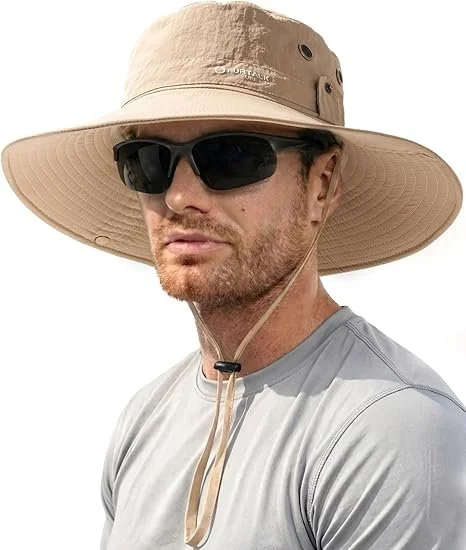
Nothing ends a birding day faster than sunburn or overheating.
Hotspots like the Texas coast, Arizona grasslands, or open refuges often have very little shade. You might be standing still for 20 minutes watching a rarity… and suddenly realize your neck is roasting.
A wide-brim sun hat is one of those pieces of gear that feels optional — until the day you forget it.
Look for:
breathable fabric
wide brim
chin strap for wind
packable or crushable
You’ll thank yourself by noon.
Frogg Toggs Ultra-Lite2 Waterproof Poncho
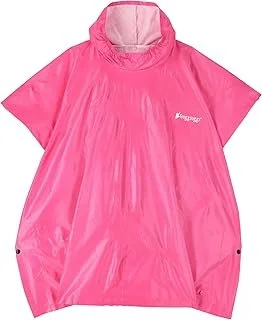
If you’ve birded during spring migration, you already know:
Rain is basically part of the deal in many parts of the country.
The adage “April showers…”
And honestly? Some of the best fallout days happen during rain. Texas coastal birds pray for a spring cold front with a north wind that will create those world-famous “fall-outs” of migrating birds.
The mistake most beginners make is bringing a heavy rain jacket that ends up staying in the car because it’s bulky.
A lightweight poncho:
weighs almost nothing
folds tiny
goes over you AND your backpack
dries fast
It lives in my pack all season. It’s saved me more times than I can count.
🔭 Optics (Your most important tools)
This is where you don’t cut corners.
At hotspots, birds can be:
high in trees
across wetlands
flying fast overhead
backlit at dawn
Good glass at a reasonable cost matters.
Vortex Optics Crossfire HD 10x42 Binoculars
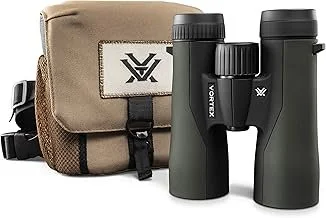
A fantastic all-around magnification for migration birding.
10x helps when:
shorebirds are distant
hawks are soaring
waterfowl are across ponds
They’re bright, sharp, and rugged — perfect for travel and unpredictable conditions.
If you like a little extra reach, this is a great choice.
Nikon Prostaff P3 8x42 Binoculars
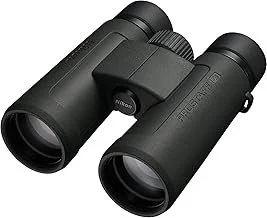
For woodland birding (Magee Marsh, wooded trails, thickets), many birders prefer 8x.
Why?
wider field of view
easier to find fast warblers
steadier image
lighter feel
If you’re scanning trees for tiny migrants, 8x can actually feel faster and more relaxed.
Honestly? Either size works. It’s personal preference. The key is: bring quality optics you trust.
Senior birders often prefer 8x to stronger lenses. If your hands shake (as mine do) from age or muscle weakness, consider sticking with 8x to minimize the distortion when viewing the birds.
X-Shaped Adjustable Binocular Harness
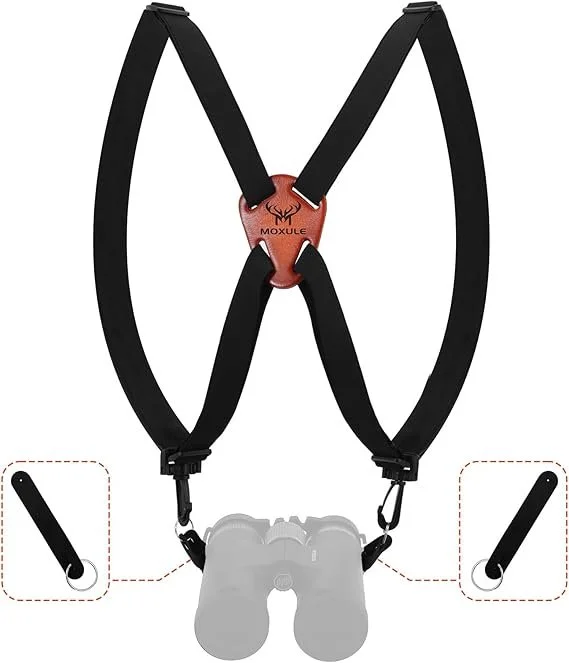
Let’s talk neck pain for a second.
If you’ve ever birded six hours with a traditional neck strap… you know.
A harness spreads the weight across your shoulders instead of your neck. It:
reduces fatigue
keeps binoculars snug to your chest
prevents bouncing while walking
makes lifting faster
This single upgrade can completely change how long you’re comfortable birding.
I wish I’d switched years earlier.
🎒 Smart Carrying Gear (Light is right)
Small Foldable Hiking Backpack
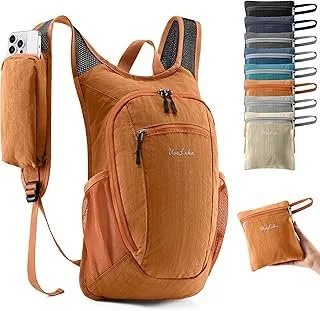
For migration days, you don’t need a huge pack.
You need:
water
poncho
field guide
snacks
maybe an extra layer
That’s it.
A small 10L pack keeps you from overpacking. Lightweight and foldable means it’s easy to travel with and easy on your back.
If it’s comfortable, you’ll walk farther.
If it’s heavy, you’ll cut the day short.
Simple math.
Collapsible Travel Water Bottle
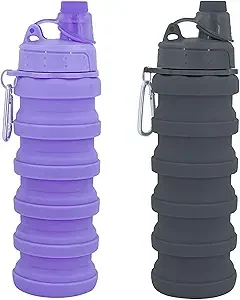
Hydration is birding fuel.
Especially at:
coastal marshes
desert hotspots
sunny boardwalks
A collapsible bottle is perfect because:
takes almost no space when empty
weighs very little
easy to refill
It sounds small… but being properly hydrated literally improves focus and patience — which improves birding.
📚 Knowledge Tools (Because seeing is only half the fun)
Hotspots are overwhelming in the best way.
There might be 120 species in a single day.
Having the right reference tools makes it all more meaningful.
Sibley Field Guide to Birds of Eastern North America

(or your regional equivalent)
Even with apps, I still love a real field guide.
There’s something grounding about flipping pages while sitting on a bench after a good sighting.
Paper guides:
don’t need batteries
work in bright sun
encourage slower, deeper learning
help you compare similar species side by side
They’re also surprisingly fun to share with fellow birders.
Field guides turn sightings into understanding.
National Geographic Birder’s Life List & Journal

Hotspot trips create memories you don’t want to forget.
The first Blackburnian Warbler of the year.
Your first lifer shorebird.
That crazy fallout morning with birds everywhere.
Writing it down:
reinforces learning
tracks progress
becomes a personal history
Years later, these notes become treasures.
It’s more than a checklist — it’s your birding story.
🥾 Comfort & Recovery Gear (The unsung heroes)
Here’s the part many people overlook.
Birding trips aren’t just the birding.
They’re also:
early mornings
long walks
sore feet
tired legs
A few small comfort items can make the whole trip better.
Travel Aluminum Collapsible Walking Pole
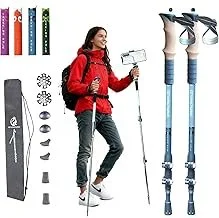
Especially helpful for:
muddy trails
uneven boardwalks
steep paths
long distances
It adds stability and saves energy.
Even if you don’t “need” it, you’ll feel the difference after miles of walking.
And bonus: it doubles as a camera or spotting scope stabilizer in a pinch.
Athmile Barefoot House Slippers
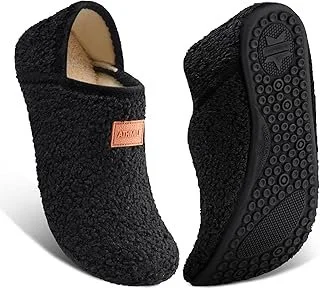
Okay — this one feels luxurious.
But hear me out.
After a full day in boots?
Sliding into soft, lightweight slippers at your cabin, hotel, or campsite feels AMAZING.
They:
rest tired feet
keep things clean
pack tiny
It’s one of those little quality-of-life upgrades that makes travel feel human again.
Hot tip: your future self will be grateful.
Packing Philosophy for Hotspots
Here’s the mindset I’ve learned after many trips:
Bring what helps you:
see better
walk farther
stay comfortable
stay dry
stay curious
Leave behind everything else.
Migration birding is about freedom and attention — not hauling a heavy bag.
Light gear lets you move quickly when someone yells:
“Warbler flock coming through!”
And that’s exactly when magic happens.
How This Connects to Our Hotspots Series
All of this gear becomes especially useful when you’re exploring:
coastal marshes
desert canyons
forest boardwalks
prairie refuges
migration funnels
If you’re planning your next adventure, you might enjoy pairing this checklist with:
👉 our Birding Hotspots Overview
👉 Preparing for Birding Hotspots
👉 regional guides like Sax-Zim, Southeast Arizona, and the Texas Coast
Because once logistics are handled… you can focus on what really matters:
The birds.
Final Thoughts
You don’t need fancy or complicated gear.
You just need the right few things.
The goal isn’t to pack more.
It’s to pack smarter.
Because when you’re comfortable and prepared, something beautiful happens:
You slow down.
You notice more.
You stay longer.
And that’s when the best birds show up.
Honestly?
I’d rather be birding… than anything else.
And with the right pack, you can too.
