

Planting for Hummingbirds
How Flowers Turn Your Backyard into a Living, Buzzing Sanctuary
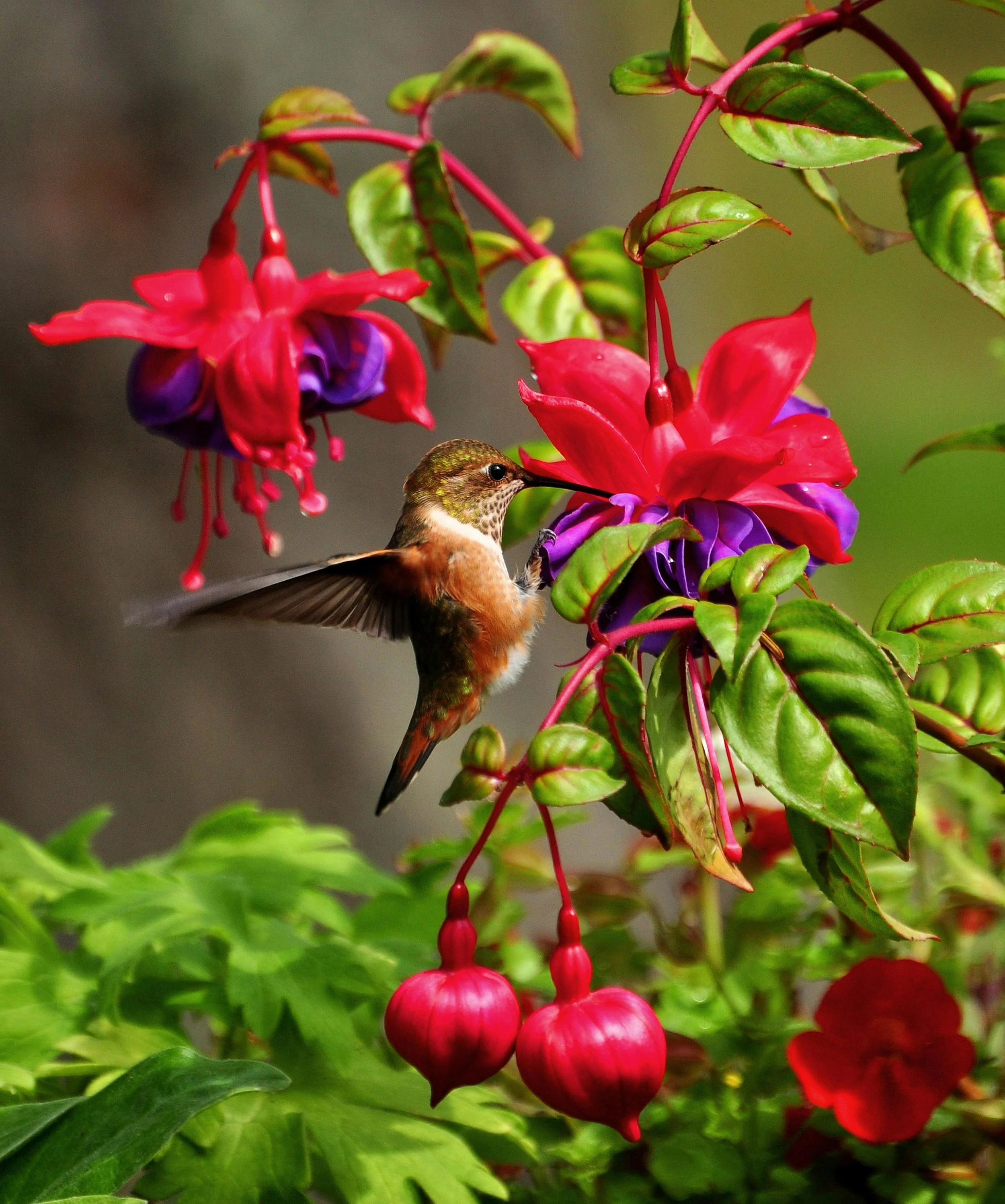
If you really want hummingbirds to stick around, start with a feeder and a flower.
Feeders are wonderful supplements — we use them too — but nectar feeders are the snack bar. Native plants are the full kitchen. They provide nectar, tiny insects for protein, shelter from wind, perches, nesting materials, and a place that simply feels right to a hummingbird.
When you add the right plants, something magical happens.
First comes a ruby-throat.
Then a second.
Then butterflies drift in like confetti.
Bees hum.
Goldfinches pick at seedheads.
And suddenly your yard isn’t just a yard — it’s a small ecosystem.
The best part? You don’t need acreage. Even a patio with containers can become a hummingbird stopover.
Let’s talk about why certain flowers work, how hummingbirds are built for them, and which native plants to choose for different regions of North America.
Why Hummingbirds Love Certain Flowers (It’s Anatomy, Not Fragrance)
Before we plant, it helps to think like a hummingbird.
Hummingbirds aren’t just tiny birds that like sweet things. Their entire body is engineered for nectar feeding.
They have:
Long, narrow bills
Extendable, tubular tongues that flick 10–15 times per second
The ability to hover precisely in front of flowers
Incredible memory for nectar sources
High metabolisms that require constant energy
They evolved alongside tubular, trumpet-shaped flowers that hold nectar deep inside.
Butterflies, on the other hand, prefer flat or landing-pad flowers where they can perch and sip.
So if you plant both shapes, you serve both groups while you stretch the blooming season all summer long.
Think:
Tubes and trumpets → hummingbirds
Flat clusters and platforms → butterflies
Plant diversity = wildlife diversity.
What Makes a Great Hummingbird Plant?
When choosing plants, look for:
Native species (best nectar chemistry + insect support)
Tubular or deep blossoms
Bright colors (especially red, orange, pink)
Long bloom times
Staggered seasonal blooms
Minimal or no pesticides
Native plants also host the tiny insects hummingbirds rely on for protein — especially during nesting season.
Fun fact: A mother hummingbird feeds her babies mostly insects, not nectar.
So flowers feed the whole family.
Top Hummingbird-Friendly Flower Types
Here are some classic shapes hummingbirds gravitate toward:
Trumpet or tubular blooms
Hanging or pendant flowers
Clusters with deep throats
Red/orange/pink tones (though they’ll use purple and yellow too)
Let’s look at real-world examples.
Universal Favorites (Work Almost Anywhere)
These plants perform beautifully across much of North America and are often available at native nurseries.
Bee Balm (Monarda)
A hummingbird magnet. Bright red or pink pom-pom blooms loaded with nectar. Bonus: bees and butterflies love it too.
Cardinal Flower (Lobelia cardinalis)
One of the most reliable hummingbird plants in existence. Tall red spikes. Thrives in moist soil.
Native Salvias
Long bloom season. Hardy. Drought tolerant. Hummingbirds treat these like refueling stations.
Coral Honeysuckle (native Lonicera)
Not the invasive kind — the native vine. Tubular flowers + great cover + berries for songbirds later.
If you planted only these four, you’d already see visitors.
Regional Plant Lists (Native-Focused)
🌵 Southwest & Desert (Arizona, New Mexico, West Texas)
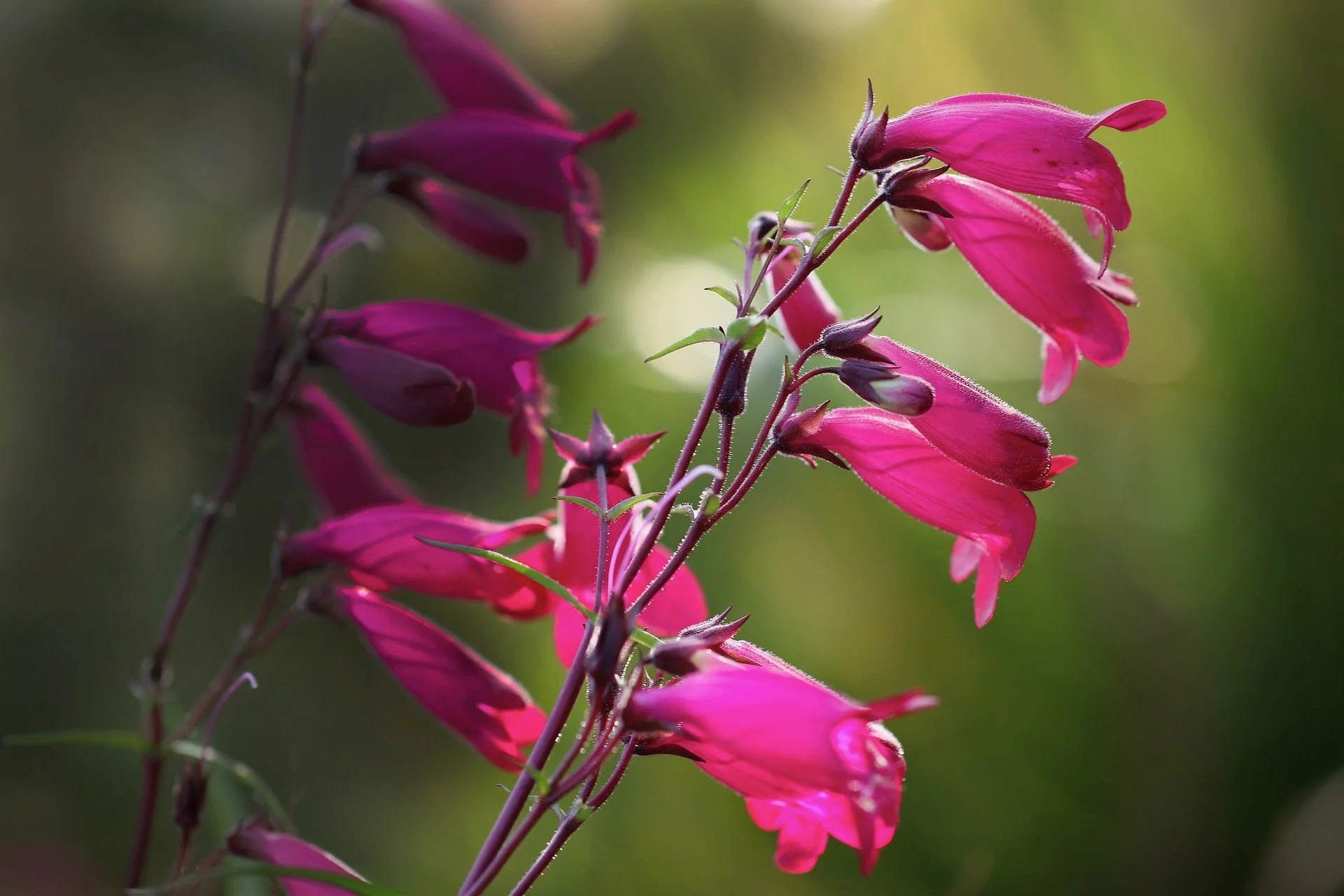
The desert may look dry to us, but to hummingbirds it’s a buffet.
Penstemon (Desert or Firecracker)
Ocotillo (blooms during migration — huge nectar source)
Chuparosa
Agastache (Hummingbird Mint)
Red Yucca
Desert Honeysuckle
These beautiful plants are drought tolerant and perfect for water-wise landscaping.
Fun Fact: Arizona and Texas run neck-to-neck in the contest for most recorded species of hummingbirds. Both states have recorded about 18 species.
🌿 Midwest & Northeast
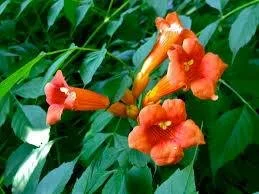
These areas shine in summer with lush blooms.
Wild Columbine
Trumpet Vine (native)
Bee Balm
Phlox
Joe-Pye Weed
Cardinal Flower
Native milkweeds (for butterflies + insects for hummingbirds)
These create layered, cottage-style gardens that buzz with life.
🌲 Pacific Northwest
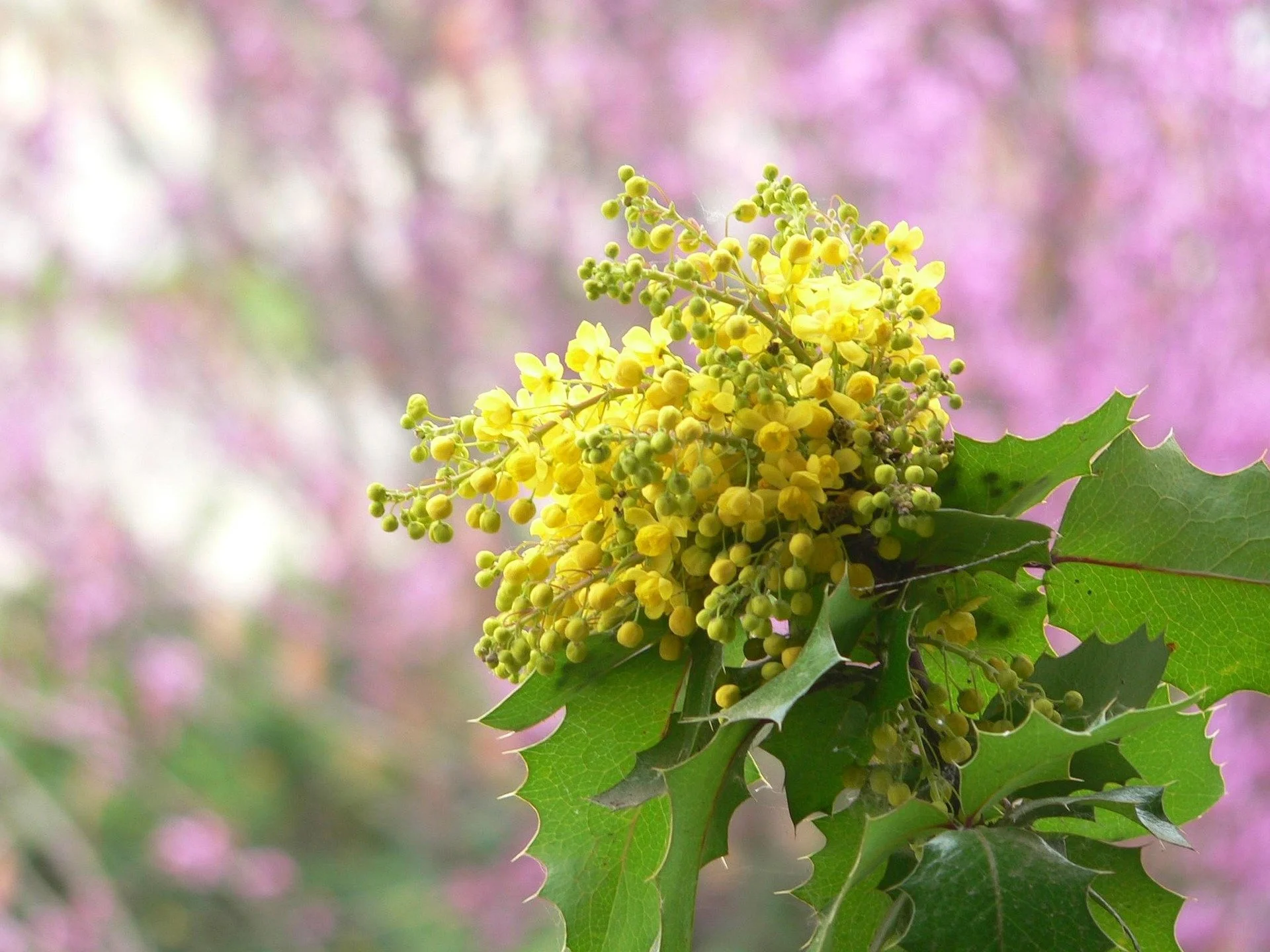
This region gets Anna’s Hummingbirds year-round.
Red Flowering Currant
Penstemon species
Native Fuchsia
Salvias
Columbine
Oregon grape (early blooms)
Early bloomers matter here — winter and early spring nectar keeps resident birds alive.
🌴 Southeast & Coastal South
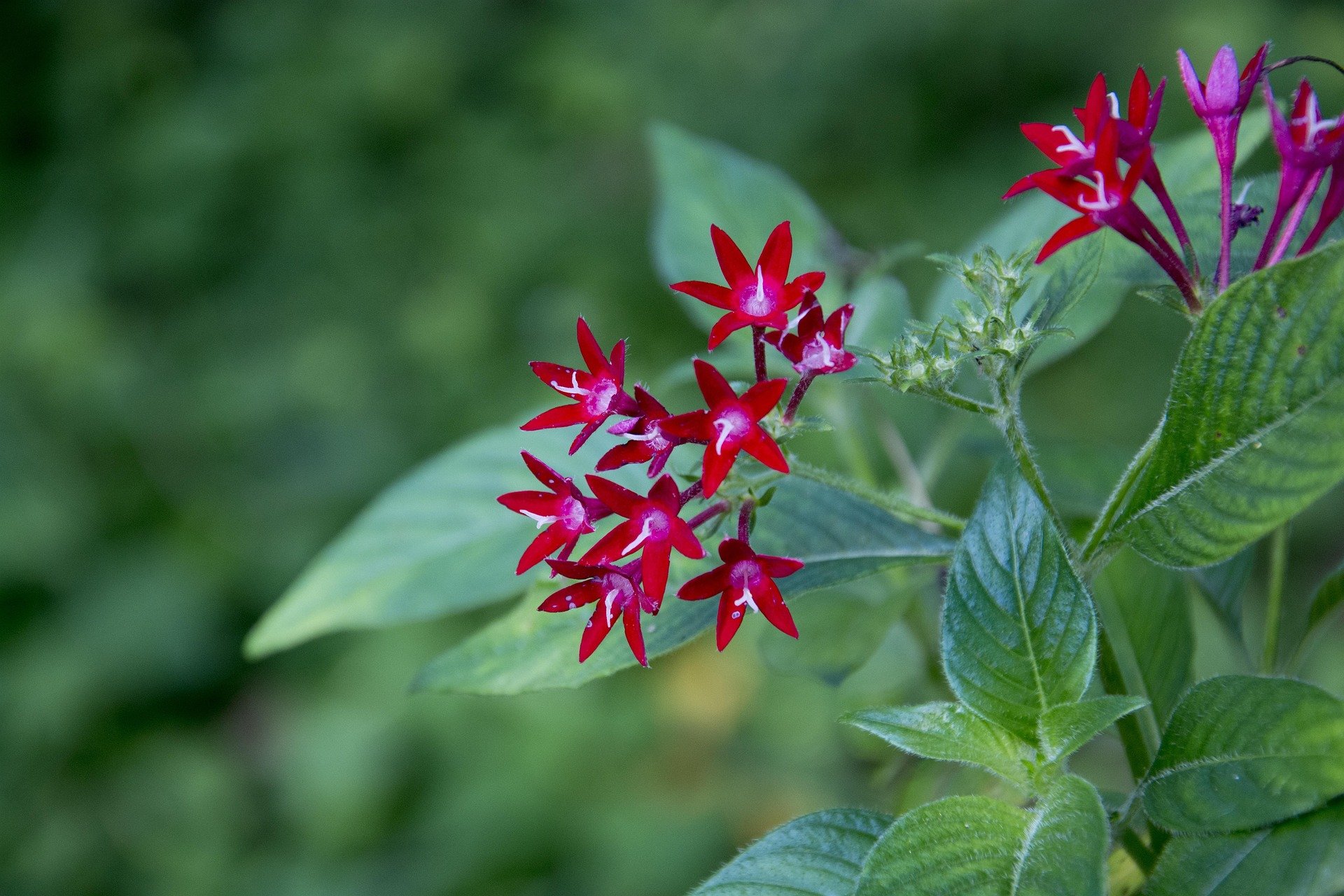
Long growing seasons mean you can support hummingbirds nearly year-round.
Coral Honeysuckle
Firebush
Turk’s Cap
Autumn Sage
Cardinal Flower
Pentas
Native lantana
This region is migration central — feeders + flowers here can save lives.
Layering Your Garden for Maximum Impact
Instead of planting randomly, think in layers:
Trees
Perches and nesting spots
Shrubs
Shelter and insects
Tall flowers
Nectar spikes
Groundcovers
Pollinator support
Vines
Extra nectar highways
Hummingbirds don’t just want food. They want safety.
A yard with only flowers but no cover feels risky.
Male hummers also want advantageous perches where they can watch (and defend) their territory.
Add:
small trees
brush piles
native shrubs
water features or shallow drips
Now you’ve built habitat, not decoration.
Feeders + Flowers = Best of Both Worlds
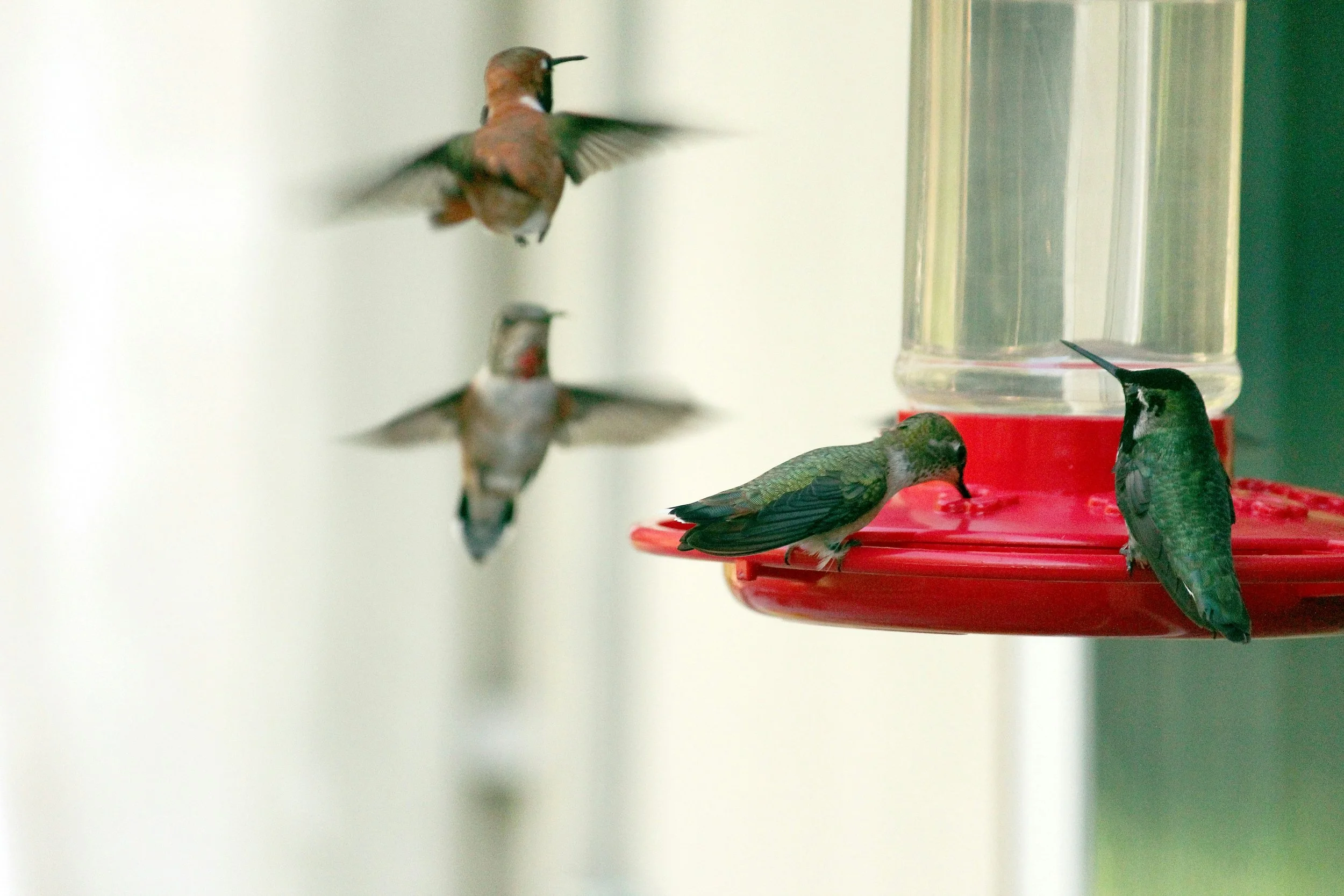
This isn’t either/or.
Feeders:
quick energy
reliable during migration
great for observation
Plants:
natural nutrition
insects for protein
shelter
nesting materials
healthier ecosystem
We use both.
Feeders bring them close.
Plants convince them to stay.
A Simple Starter Plan (Even for Beginners)
If someone feels overwhelmed, here’s an easy starter layout:
3–5 native perennials
1 flowering shrub or vine
1 feeder
fresh water source
That’s it.
You don’t need acres. A balcony with containers works beautifully.
Hummingbirds are surprisingly adaptable.
The Bigger Picture
Here’s what I love most about planting for hummingbirds.
You start with one red flower.
Then you notice a bee.
Then a butterfly.
Then goldfinches picking seeds.
Then a hummingbird chasing another across the yard.
And suddenly you realize…
You didn’t just landscape.
You helped rebuild a tiny piece of habitat.
Native plants don’t just look pretty — they support food webs.
They help insects.
Insects feed birds.
Birds spread seeds.
The cycle continues.
It’s a win-win.
Your yard gets color and movement and life.
Wildlife gets what it needs to survive.
And you get to sit with coffee in the morning and watch a hummingbird hover three feet from your chair like a tiny, glowing helicopter.
Not a bad trade.
Final Encouragement
Start small.
Add one plant this season.
Then another.
Before long, you’ll have what we like to call a living yard — not just a green one.
And trust me…
Once you’ve watched a hummingbird choose your flowers over someone else’s yard, you’ll never look at gardening the same way again.
Ready to go even deeper into the hummingbird world? Don’t stop here. Our North American Hummingbirds Guide explores their migration routes, nesting habits, and fascinating natural history. Our Hummingbird Behavior Insights and Hummingbird Myths Debunked posts clear it all up. Together, this hummingbird cluster gives you everything you need to create a thriving, flower-filled backyard habitat that supports hummingbirds from spring arrival to fall departure — and maybe even year-round.
