

Sax-Zim Bog
Once-in-a-Lifetime Event - Every Time you Visit!
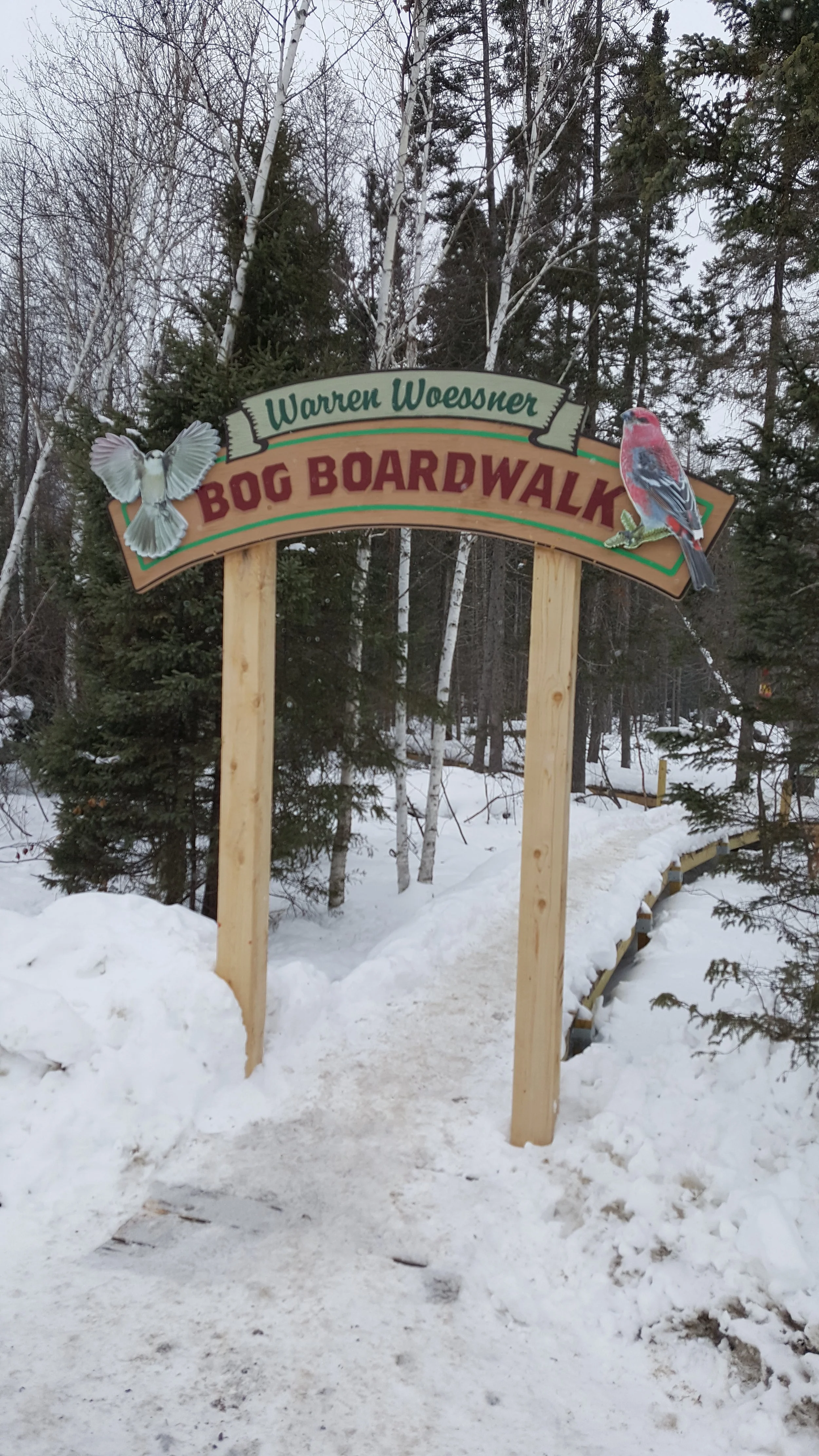
There are birding places that feel like a pleasant walk in the woods… and then there’s Sax-Zim Bog, a winter pilgrimage site where your “most-wanted” list suddenly looks possible. Great Gray Owl. Northern Hawk Owl. Snowy Owl. Northern Saw-whet. Boreal Chickadee. Maybe a Boreal Owl if the stars align. And in some winters, the finch flocks alone are enough to make you forget your fingers are freezing.
What makes Sax-Zim so special isn’t just that it’s famous—it’s that it’s reliably weird (in the best way). This is one of those rare Lower 48 locations where the boreal world—black spruce, tamarack, peatlands, and birds that look like they belong in a snow globe—presses right up against accessible roads and mixed habitats that keep things interesting. The “bog” name is real, but the place itself is a mosaic of bog, forest, meadow, river, and edge habitat spread across a huge swath of northern Minnesota.
So let’s talk about what you can see, why the bog concentrates such headline birds in many years, and how to plan a trip that’s memorable for the right reasons (and not because your boots failed at −10°F).
What (and where) is Sax-Zim Bog?
First: Sax-Zim Bog isn’t a single boardwalk with a parking lot. It’s a greater ecosystem—a broad area roughly bounded by small towns and highways, with birding spread out across public roads, conservation lands, and specific properties protected and managed by local partners. Friends of Sax-Zim Bog describes it as 300+ square miles of habitat variety, including classic black spruce/tamarack bog as well as upland forests, rivers, lakes, farms, meadows, and towns—exactly the kind of “mixed menu” that attracts a ridiculous diversity of birds.
A key hub for visiting birders is the Owl Avenue Welcome Center, operated by Friends of Sax-Zim Bog. In peak seasons, it’s open daily 10 a.m. to 3 p.m. (winter: early December through mid-March; summer: June 1 through Sept 30).
Even when the building is closed, trails and the larger area are still very much “open for birding”—but the Welcome Center is a fantastic place to orient yourself, check sightings info, and warm up.
The “why here?” story: history, habitat, and a northern ecosystem that holds birds like a magnet
If you’ve ever wondered why Sax-Zim can feel like a cheat code for boreal species, the answer lives under your feet.
Peatlands: the slow-built engine of the bog
Northern Minnesota is peatland country—wetlands where plant material accumulates over long periods, creating thick, spongy peat and distinct wetland patterns. Minnesota’s peatlands are one of the state’s most extensive ecosystems, covering more than 10% of the state.
These landscapes are also powerful ecological players, storing carbon and influencing water in ways that shape plant communities—and the birds that depend on them.
Glacial leftovers and a “just-right” transition zone
The bog region sits on the legacy of the last ice age—glacial retreat, basin formation, and the wetland-building processes that followed. (If you like deep geology, you can go down a rabbit hole involving ancient lakebeds and peat development in St. Louis County.)
But here’s the birder-friendly version: Sax-Zim sits near the southern edge of boreal habitat, creating a transition zone where northern spruce bog meets other forest types and open country. That edge effect—plus the sheer scale of habitat—creates “multiple niches” that can hold everything from deep-woods specialists to open-area hunters.
Why do owls and winter birds concentrate “most years”?
Winter in the north is a constant math problem: food availability + snow/ice conditions + rodent cycles + weather. When prey is available and conditions line up, certain raptors and boreal birds are drawn to places where hunting is efficient—think open roadside edges, meadows near forest, and boggy openings that let an owl watch for movement. Sax-Zim’s habitat mix provides lots of those “lookout + strike zone” situations, and the area has become internationally known as a wintering destination for species like Great Gray Owls and Northern Hawk Owls.
And on the human side? A big reason birders do well here is that the community has built real infrastructure for visiting naturalists—maps, reports, and a Welcome Center that helps people find the habitat without trampling it.
The birds: “bucket list” doesn’t even cover it
Sax-Zim is famous for giving birders a shot at species many of us only see in field guides—or in someone else’s life list photos.
Winter headline acts (the ones people travel for)
In many winters, you’ll hear birders talking about:
Great Gray Owl (the iconic star—massive, calm, and impossibly ghostlike)
Northern Hawk Owl (a daytime hunter with a “raptor energy” vibe)
Boreal Owl (more elusive, but very much part of the lore)
Rough-legged Hawk and other winter raptors depending on conditions
The “wait—those are here too” supporting cast
Even when owls play hard to get, the bog can still deliver:
Boreal Chickadee and other boreal forest regulars
Winter finches and feeder flocks (often best around managed viewing areas)
And it’s not only a winter story. The broader area supports 240+ species across seasons, including spring/summer breeders and migrants.
Best times to visit (and what to expect)
Winter: the famous season (early Dec through mid-March)
If your dream is owls + boreal birds + that “quiet snow world” feeling, winter is the classic choice—especially midwinter when birders and local reporting are most active. The Welcome Center’s winter season aligns with peak interest, and it can be a smart planning anchor for your day.
Reality check: winter birding here can be brutally cold, and it’s rural. That’s part of the adventure, but it changes how you prepare (more on that below).
Summer: a totally different bog
Summer brings a new cast, plus boardwalk/trail experiences that let you see the peatland ecosystem up close. The Welcome Center also runs a summer season with the same daily hours, which is great if you’re doing a Minnesota trip that isn’t built around snow.
Logistics: getting there, getting around, and where to base yourself
Travel
Most visiting birders arrive via:
Driving from Duluth (the bog is commonly described as about an hour northwest of Duluth), or
Flying into Minneapolis–St. Paul or Duluth, then renting a car for the final stretch.
Once you’re in the bog region, assume two things:
you’ll be doing a lot of slow driving and pull-offs, and
you may not have the kind of cell coverage you’re used to in city birding.
Where to stay
Because it’s rural, many people choose lodging in larger hubs (like Duluth) or in small nearby towns, depending on your tolerance for early-morning driving. The best approach is to pick a base that matches your style:
Comfort-first base: more amenities, predictable food options, easier backup plans if weather goes sideways.
Closer-to-the-bog base: earlier starts, less driving, but fewer services.
Friends of Sax-Zim Bog also maintains visitor info resources (including “plan your visit” guidance and birding maps) that can help you match lodging choices to your route.
Preparation: cold-weather birding isn’t just “bring a jacket”
This is the part I never want you to skip—because Sax-Zim is the kind of place where preparation equals freedom. When you’re warm, safe, and properly equipped, you can stay out for the magic hour. When you’re not… you’ll be watching your watch instead of the treeline.
Clothing: think “layers + wind + feet”
Build your system like you’re dressing for sitting still (because you will be).
Base layer: moisture-wicking (top and bottom)
Mid layer: insulation (fleece/wool/down)
Outer layer: windproof + weather-resistant shell
Hands: liner gloves + insulated mittens (mittens are your secret weapon)
Head/neck: insulated hat + neck gaiter/balaclava
Feet: insulated waterproof boots + warm socks (consider a liner sock)
If your boots aren’t warm enough, nothing else matters. Cold feet end trips.
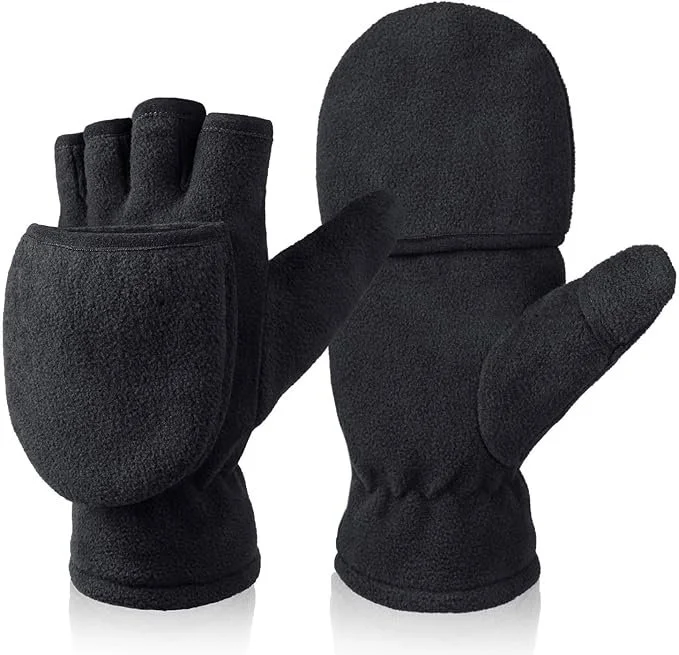
We found several orphaned mittens on our last trip to the Bog. These will let you use your phone/cam/binoculars without taking off a mitten.
Gear: what makes winter birding actually work
Binoculars you trust (and a harness if you’re layering up)
Spotting scope (optional, but helpful for distant perched owls/raptors)
Extra batteries kept warm (cold drains power fast)
Hand warmers / toe warmers
Thermos + high-calorie snacks
Offline maps downloaded ahead of time
And if you’re photographing: plan for condensation and battery drain. Keep spares warm and avoid bringing cold gear directly into a warm car without thinking it through.
Car safety: your mobile basecamp
Because you’re in a rural area with real winter conditions, treat your car like part of your essential kit:
Full tank (don’t play fuel chicken out here)
Ice scraper + snow brush
Small shovel
Blanket/sleeping bag
Traction aid (sand/kitty litter or traction boards)
Headlamp/flashlight
This isn’t drama—it’s just smart. Rural winter birding means help can be farther away than you’d like.
Birding strategy: how to give yourself the best odds
1) Use local intel (it’s part of the Sax-Zim “system”)
The Friends of Sax-Zim Bog site offers a birding map and (in winter) a sightings-style bird report system that helps you focus effort. Even if you don’t chase exact locations, it tells you what’s active and what’s “quiet this week.”
Also: the Welcome Center has a sightings board outside—worth a quick stop.
2) Work the edges (safely)
Owls and winter raptors often hunt where habitat transitions create visibility—open areas near forest, roadside edges, and meadow/bog openings. The trick is to do this without turning roads into obstacles:
avoid blocking driveways or plowed shoulders or stopping in the roadways (Be careful pulling off to the berm to avoid getting stuck in snow or a muddy ditch.)
use hazards thoughtfully
(This is one of those places where birding etiquette is part safety, part respect.)
3) Give the birds room (your best photos come from patience anyway)
Sax-Zim’s popularity is a gift and a responsibility. Keep distance, avoid crowding perched owls, and resist the urge to “help” the moment along. In winter especially, energy is everything for birds—making them flush repeatedly is not a harmless inconvenience. Never pester or harrass any wildlife - you’re not at Disneyland.
A quick natural-history lens: you’re not just owl-hunting—you’re visiting a globally important ecosystem
It’s easy to focus on the celebrity species, but peatlands are more than scenery. They’re significant landscapes for biodiversity, water, and climate systems—and they’re increasingly part of conservation conversations because of their carbon storage role.
Sax-Zim’s popularity also supports local economies, and conservation groups have highlighted its importance as a birding destination and protected habitat.
So yes—go for the Great Gray Owl. Absolutely. But when you’re standing on a quiet road with black spruce on one side and a wide, white opening on the other, take five seconds to notice what’s happening: you’re inside a landscape built slowly, shaped by ice and water, holding a northern world together at its southern edge.
Sample “first-timer” plan (simple, flexible, and warm-friendly)
Morning: Arrive early, drive the area roads slowly, prioritize open edges as the light improves.
Late morning: Warm-up/reset at the Welcome Center, check info, scan feeders if active in season.
Midday: Boardwalk/trail time if conditions allow (or keep driving loops if owl-focused).
Late afternoon: One more slow loop for golden light—then quit while you’re still comfortable and safe.
Final note: the bog doesn’t owe you an owl—so go ready to enjoy the whole place
Some winters are legendary. Some are quiet. Even on a “quiet” day, Sax-Zim can still hand you a moment you’ll remember forever: a unusual white “lump” in a snow-covered field, a silent shape lifting off the treeline, a finch flock swirling like confetti, the sound of snow under boots in a place that feels like the top of the continent.
And that’s the real win: Sax-Zim Bog is one of the few places where everyday birders can step into the boreal story—without needing a passport, a bush plane, or a once-in-a-lifetime expedition. Just good prep, a full tank of gas, and the willingness to look down a long winter road and believe something incredible might at the end of it - because it always is.
In case the boreal north is too cold for you, check out the warmer climes of the Sonoran Desert.
