

Summer 2026 Birding Product Guide
Hot Products for Hot Birding
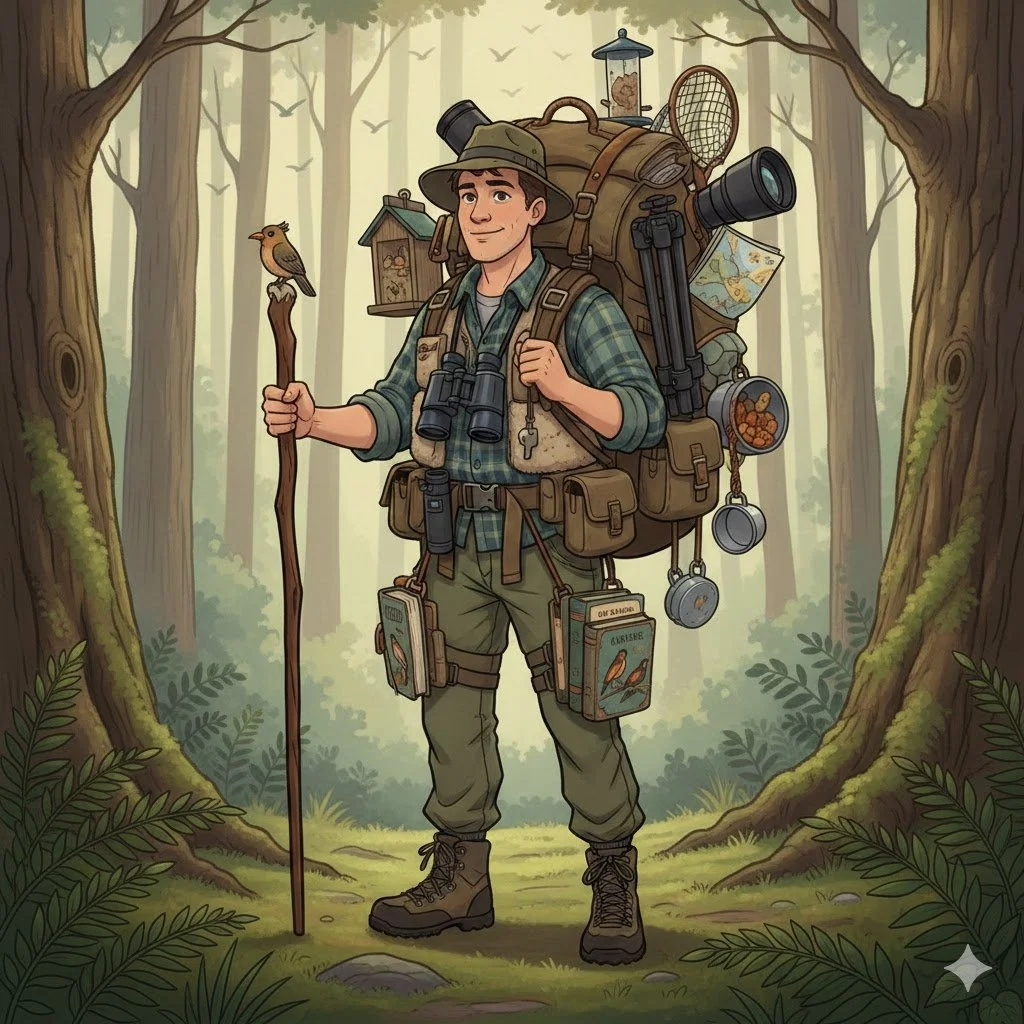
Summer birding can be a funny thing.
After the excitement of spring migration fades, many birders assume the season slows down. In some ways it does. Birds sing less. Forests become quieter. Leaves hide many species from view as they get on with the rhythm of life and family. But summer also offers some of the best opportunities of the year to improve your birding skills.
This is the season of behavior. Nesting birds are feeding young. Fledglings are learning to survive. Shorebirds begin moving south surprisingly early. Backyard birds settle into predictable routines. Summer is often when birders learn to observe more carefully and appreciate the small details that make birding so rewarding.
The challenge, of course, is the heat.
Long days, intense sunshine, humidity, insects, and the occasional unexpected downpour can quickly turn a pleasant outing into an uncomfortable experience. The right equipment won't make you a better birder overnight, but it can help you stay outside longer, remain comfortable, and enjoy your time in nature.
For this year's Summer Birding Product Guide, I've selected a collection of practical items available through Amazon that I believe offer real value for beginning and experienced birders alike. These aren't luxury purchases. They're tools that can make birding safer, more comfortable, and more enjoyable during the hottest months of the year.
As always, buy according to your budget and your needs. Great birders existed long before many of these products were available. But if a few of these items help you spend more time outside enjoying birds, they may be worth considering.
Stay Cool: Portable Neck Fan
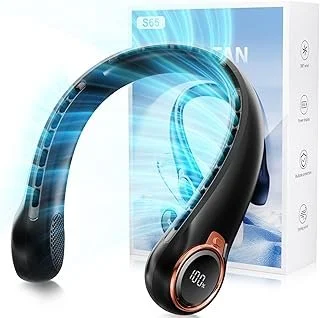
BNBZ Neck Fan - Rechargable
Let's start with one of the most surprisingly useful items I've discovered for summer birding.
A portable neck fan rests comfortably around your neck and directs airflow toward your face and neck. On a hot July morning, that gentle breeze can make a remarkable difference.
Birders often find themselves standing still for extended periods. Whether you're watching a marsh, scanning a shoreline, or waiting patiently for a warbler to reveal itself, you're not generating much airflow through movement. That's when the heat begins to build.
A neck fan can help:
Reduce heat buildup around your face and neck
Improve comfort during long observations
Make summer birding walks more enjoyable
Encourage you to stay outside longer
Battery life on many models easily covers a morning birding trip, and most recharge with standard USB cables.
No fan can replace proper hydration, but it can certainly make a hot day feel more manageable.
Flexible Cooling: Mini Clip-On Portable Fan
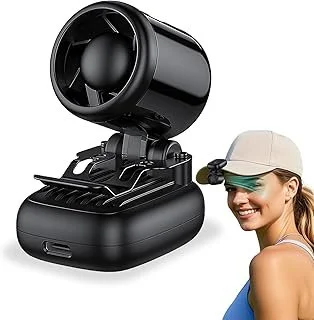
Portable clip-on fan for hat brim
For a little more directional airflow, a clip-on portable fan shines. Your birding hat (see the entry below) now does double-duty - keeping the sun off of you and providing the brim to hold the tiny clip-on fan.
If you enjoy watching birds from your deck, patio, or favorite birding hotspot, a clip-on fan provides a welcome breeze while you observe.
This is one of those products that sounds unnecessary until you've spent a humid afternoon watching a heron rookery or scanning a shoreline in August.
Sometimes comfort is what keeps us outdoors.
[Recommendation: I rarely wear a hat while birding unless the sun is severe because I think it limits my ability to visibly locate birds so I might think this clip-on would also make finding birds a little more difficult. Consider your personal birding style when choosing between a clip-on fan and the neck fan (listed above) for summer heat relief]
Sun Protection Starts With Clothing
One lesson many experienced birders learn the hard way is that sunscreen alone isn't enough.
Long sleeves may seem counterintuitive during summer, but lightweight performance fabrics often feel cooler than exposed skin baking in direct sunlight.
Bassdash Men’s UPF 50+ Long Sleeve Shirt
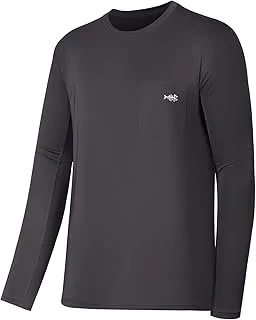
Bassdash UPF 50+ Performance t-shirt
Modern sun shirts are a huge improvement over the heavy cotton clothing many of us wore years ago.
The Bassdash UPF 50+ shirt is considered a “fishing” shirt but I doubt the birds will know the difference. It offers several advantages for birders:
Excellent sun protection
Lightweight fabric
Moisture-wicking comfort
Quick drying after rain or perspiration
Reduced need for repeated sunscreen application
Many birders spend hours exposed to direct sunlight at marshes, shorelines, grasslands, and open lakeshores where shade can be scarce.
A quality UPF shirt becomes one of the most-used pieces of gear in your birding wardrobe.
I've become increasingly convinced that good sun-protective clothing is among the smartest investments a birder can make.
[Recommendation: there are also several styles listed specifically for women including hooded t-shir
Raincoat Women Lightweight Waterproof Rain Jacket
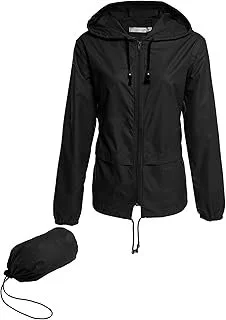
Women’s Lightweight Rain Jacket
Summer weather can turn on a whim. When you’re out in the field chasing Dickcissels and a storm blows up, don’t go running for the car and miss the birds, just pull this rain jacket out of your pack & keep birding!
This hooded rain jacket is made of super waterproof material - lightweight, breathable, packable, skin-friendly, & comfortable to wear. Styled for a slim fit, consider getting a size larger. Many colors available.
Protect Your Skin: Neutrogena SPF 70+ Sunscreen
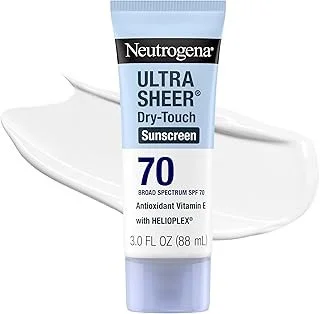
Even with long sleeves and a hat, some skin remains exposed.
Your face, ears, neck, hands, and sometimes legs still need protection.
That’s where this travel size sunscreen comes in. Fits into your birding backpack and provides the excellent protection birders need while chasing down lifers.
Birders are often exposed to sunlight for longer periods than they realize. A quick morning walk can easily become a three-hour outing after an unexpected rarity appears or an active nesting area captures your attention.
A high-quality sunscreen helps protect against:
Sunburn
Premature skin aging
Long-term skin damage
Increased skin cancer risk
Apply before heading outside and remember to reapply according to manufacturer recommendations.
Birding is supposed to improve your life, not leave you looking like a boiled lobster by lunchtime.
[Recommendation: I always clean my hands after applying sunscreen and especially insect repellent with a water wipes before handling any birding equipment. Look at options here.
Winning the Battle Against Mosquitoes
Let's be honest.
Mosquitoes have never once improved a birding experience.
Summer birding often takes us precisely where mosquitoes thrive:
Wetlands
Marshes
Woodland edges
Floodplains
Shorelines
Cliganic Mosquito Repellent Bracelets
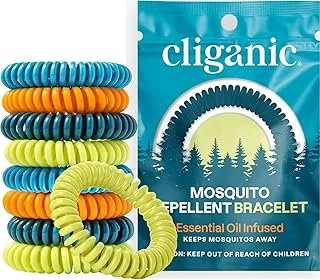
Keeps mosquitoes away
Many birders appreciate mosquito bracelets because they're simple and convenient.
They require:
No spraying
No greasy residue
No strong chemical odor
While no repellent system is perfect, these bracelets can provide an additional layer of comfort during moderate mosquito activity.
For areas with extremely heavy mosquito populations, many birders choose to combine multiple protection methods.
Anything that helps you focus on birds instead of bugs is usually a welcome addition to your field gear.
[Recommendation: Want back-up protection? Take a few Mosquito Repellent Wipes with you. I like theseDEET free repellent wipes. Check them out here
Don't Leave Home Without It: Mini First Aid Kit
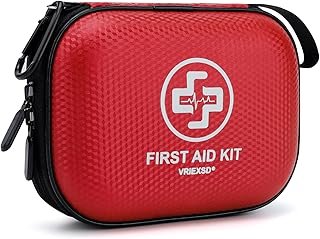
The one product you hope you don’t use
This may be the least exciting product in the guide.
It's also one of the most important.
Birders often walk:
Uneven trails
Boardwalks
Rocky shorelines
Grasslands
Forest paths
Minor injuries happen.
A small first aid kit can handle:
Blisters
Minor cuts
Scrapes
Insect stings
Small emergencies
The beauty of modern mini kits is that they occupy very little space.
Hopefully you'll never need it.
But you'll be glad it's there if you do.
Shade on Demand: Wide-Brim UPF 50+ Sun Hat
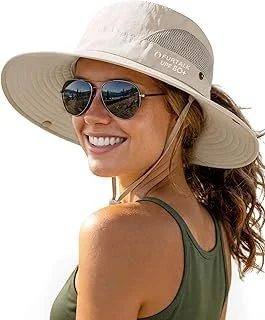
Women’s Sun Hat with Ponytail Hole UPF 80+
If I could recommend only one summer comfort item beyond binoculars, a good sun hat would rank near the top of the list.
A wide-brim hat provides protection for:
Face
Ears
Neck
Scalp
It also reduces glare and can improve viewing comfort when scanning distant birds.
Look for features such as:
UPF-rated fabric
Ventilation panels
Adjustable chin strap
Lightweight construction
Unlike sunscreen, a hat never wears off.
And unlike trees, it goes wherever you go.
Every Birder Needs a Field Guide
Technology has transformed birding.
Smartphone apps are extraordinary tools. Many birders carry Merlin, eBird, and several other apps wherever they go.
But there remains something wonderfully satisfying about a traditional field guide.
National Geographic Field Guide to the Birds of Eastern United States and Canada

The National Geographic guide remains one of the most trusted resources available.
It offers:
Excellent illustrations
Detailed range maps
Identification tips
Similar species comparisons
Portable format
Beginning birders often ask whether they should buy a field guide if they already have birding apps.
My answer is yes.
Field guides encourage slower, deeper learning. They help birders compare species side-by-side and gain a broader understanding of bird families.
Many experienced birders still keep a favorite field guide within easy reach.
Technology is wonderful.
Books are wonderful too.
There's room for both.
In addition to the Eastern edition, National Geographic produces a Western edition and a North American guide. While the full edition is heavier, it provides full coverage of possible birds versus buying 2 volumes. There are other quality field guides available - check out the whole collection. See them HERE!
The Most Important Tool: Binoculars
Birders love discussing binoculars.
And with good reason.
Few purchases influence your birding experience more directly.
[Recommendation: Buying your first (or tenth pair of binoculars) is a deeply personal adventure. For beginning birders, I suggest you decide your budget and buy the best you can within that budget. Most birders will add another pair of binoculars once their skills improve (or after they drop their first pair in Lake Erie). For most beginning birders, 8x power (e.g. 8×42) or 10x binoculars are a good choice. Older birders sometimes have some trouble holding a stronger - like 10x or more - lens steady.]
Vortex Crossfire HD 8x42 Binoculars
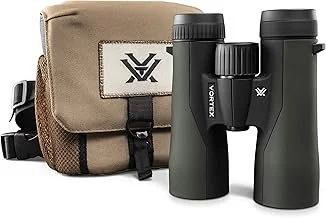
Good choice for beginning birders
For many birders, the Vortex Crossfire HD series occupies a sweet spot between affordability and performance.
Features include:
HD optics
Waterproof construction
Durable design
Comfortable handling
Excellent warranty support
The 10x42 configuration offers strong versatility across many birding situations.
Whether you're watching:
Backyard feeders
Shorebirds
Waterfowl
Woodland songbirds
Raptors
A quality pair of binoculars makes identification easier and birding more enjoyable.
One of the most common misconceptions among beginners is that expensive binoculars automatically create better birders.
They don't. Really high quality glass and engineering does sometimes offer an improved experience but the ROI is rarely there until you’ve become completely obsessed with your new pastime.
Good observation skills matter more.
However, a comfortable, reliable pair of binoculars can certainly enhance the experience.
The Vortex Crossfire line remains one of the models I frequently recommend to beginning birders seeking a significant upgrade from entry-level optics without entering premium-price territory.
Carry It All: Seektop 20L Hiking Backpack
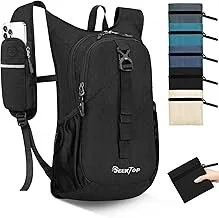
For the essentials
A good birding backpack isn't about carrying more.
It's about carrying the right things comfortably.
A compact daypack like the Seektop 15L backpack provides room for:
Water bottles
Snacks
Sunscreen
Field guide
First aid kit
Extra clothing layer
Phone charger
Insect repellent
The smaller size also discourages overpacking and carrying too much weight.
Most birding outings don't require a giant backpack.
A lightweight pack helps keep essentials organized while remaining comfortable during longer walks.
Many birders eventually discover that a modest-sized daypack becomes one of their most frequently used pieces of equipment. Several colors available.
A Few Additional Summer Essentials
While the products above are the focus of this guide, I'd also encourage birders to consider several simple habits that cost little or nothing.
Carry More Water Than You Think You'll Need
Dehydration can sneak up quickly during summer birding.
Even short outings can become uncomfortable when temperatures climb.
Check out this INSULATED LEAK-PROOF WATER BOTTLE
Start Earlier
Birds are often most active during the cooler morning hours.
Many birders find that dawn and early morning provide the best combination of bird activity and personal comfort.
Slow Down
Summer birding rewards patience.
You're less likely to encounter huge migration fallouts, but you're more likely to witness fascinating behaviors if you spend time observing carefully.
Learn Common Birds First
Summer is an excellent season to strengthen identification skills.
Focus on species you see regularly and become an expert on them before chasing rarities.
Enjoy the Process
Not every outing needs a long species list.
Some of my favorite summer birding memories involve spending an hour watching a single family of bluebirds, wrens, or flycatchers go about their daily lives.
Birding isn't always about finding something new.
Sometimes it's about seeing something familiar more clearly.
Final Thoughts
Summer birding doesn't receive the same attention as spring migration or fall movement, but it deserves a place on every birder's calendar.
The season offers opportunities to study behavior, improve identification skills, explore local hotspots, and simply spend time outdoors surrounded by birds.
The products in this guide are not intended to complicate birding. Quite the opposite.
They are tools designed to reduce discomfort, increase safety, and help you stay outside longer.
Whether you're watching hummingbirds in your backyard, exploring a local wildlife refuge, or heading out on a weekend birding adventure, comfort matters. The more comfortable you are, the more likely you are to slow down, pay attention, and appreciate the remarkable birds around you.
So fill your water bottle, grab your binoculars, find some shade when you can, and enjoy the season.
The birds are still out there.
And summer may just be the perfect time to become a better birder.
