

The Northern Cardinal
A Backyard Favorite With Year-Round Charm
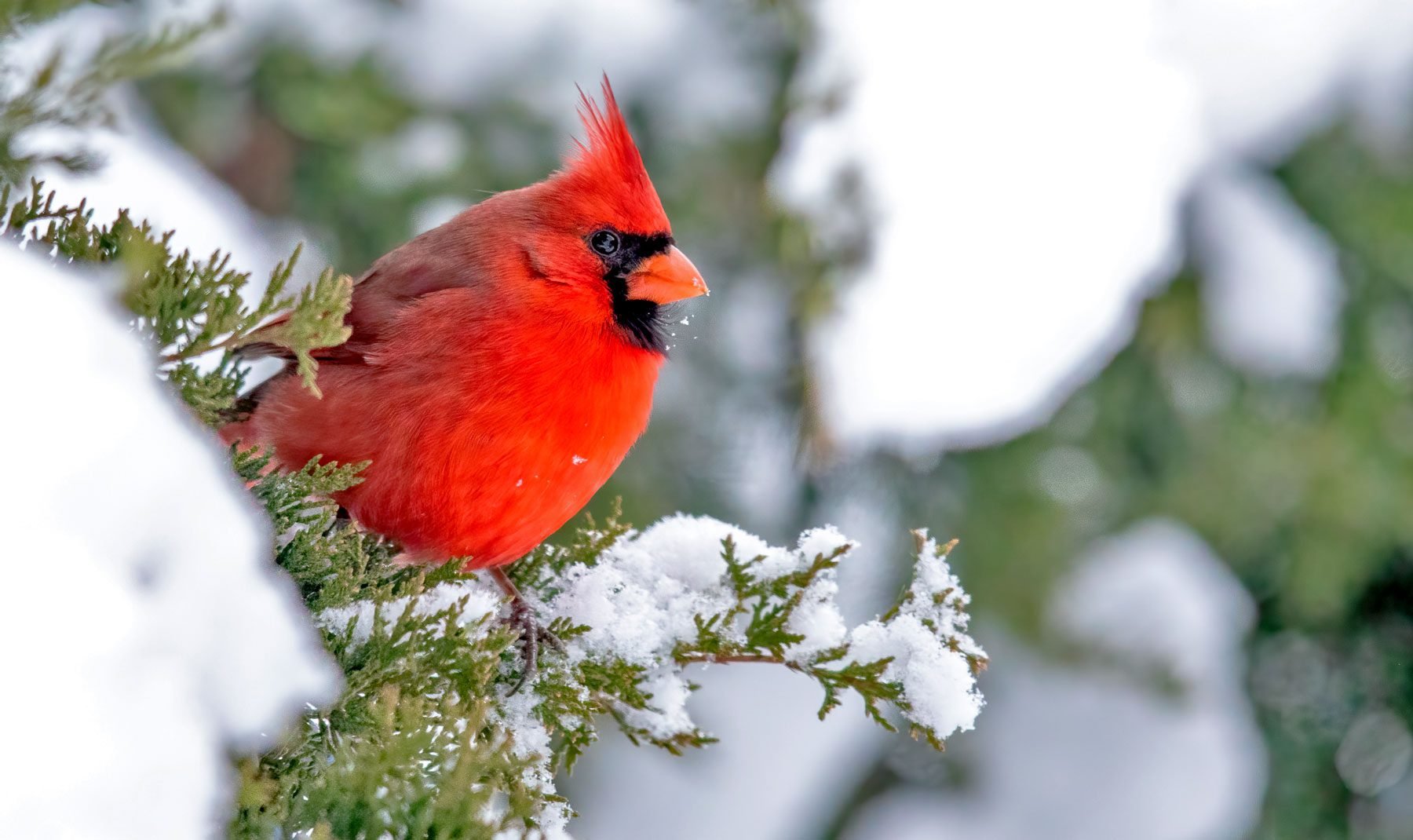
Few backyard birds capture the imagination quite like the Northern Cardinal. With the male’s unmistakable scarlet feathers and the female’s warm buff tones brushed with red, cardinals bring color, song, and personality to nearly any habitat they occupy. Whether you’re a beginning birder noticing your first flash of red or a seasoned observer who waits for their melodic whistles each morning, the Northern Cardinal has a way of making every backyard feel alive.
Distribution: A Bird of the East… and Slowly the West
Northern Cardinals are found throughout the eastern and central United States, extending into parts of the Southwest and Mexico. Their range continues to expand northward and westward, thanks to warmer winters and the increasing number of backyard feeders. You can now spot cardinals in places that rarely saw them a generation ago, including areas of the Great Plains and parts of southern Canada.
Cardinals are non-migratory, meaning those red splashes of color remain through every season—even on the coldest winter days when their vibrant feathers seem to glow against the snow.
Habitat Preferences
Northern Cardinals thrive in edge habitat—places where open space meets shrubs or forest. They prefer dense vegetation for nesting and protection but are equally happy foraging in more open areas. Backyards with layered plantings, berry-producing shrubs, and sheltered corners are ideal.
Even small suburban yards can attract cardinals if there is adequate cover. A few native shrubs—dogwoods, viburnums, sumac, or Virginia creeper—go a long way in convincing a pair that your yard is good real estate.
Diet and Feeder Behavior
One of the reasons cardinals are so beloved by backyard birders is their willingness to visit feeders year-round. Their powerful, cone-shaped bills are perfectly designed for cracking seeds, and they have clear favorites:
Preferred Foods
Black oil sunflower seed (the #1 choice—easy to crack and energy-rich)
Safflower seed, which cardinals enjoy and many squirrels dislike
Sunflower hearts/chips
Peanuts (out of the shell)
Suet blends, particularly in colder months
Berries, including dogwood, sumac, raspberries, and elderberry
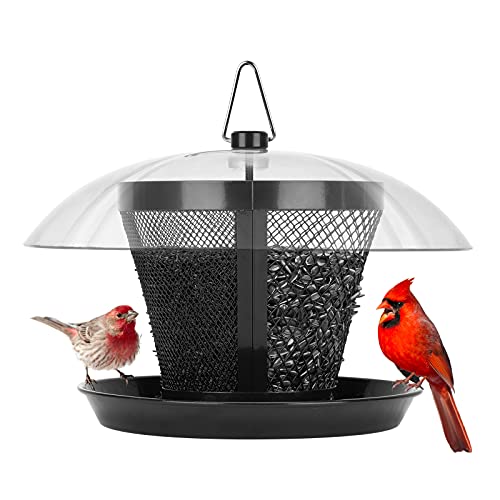
Cardinals often visit feeders early in the morning and again near dusk, making them a delightful day-bookend species. My mother used to say, “First to arrive in the morning and last before darkness sets in.” Because of their size, they avoid small tube feeders where it’s hard for them to reach the seed; instead, they prefer hopper feeders, platform feeders, or open trays where they have room to perch comfortably. See our post Best Bird Feeders for great options for feeding cardinals
Nesting: Quiet Dedication in the Thicket
While the males are flamboyant in color, Northern Cardinals are surprisingly secretive when nesting. Females choose dense shrubs, low trees, or brambles—anything that provides both shade and concealment. Their nests are typically placed 3–10 feet off the ground and are constructed of twigs, leaves, bark, and grasses, carefully woven together.
Cardinals raise two to three broods per year, with the female incubating while the male brings food and stands guard. After fledging, you may notice the male feeding a scruffy-looking young cardinal with a dark bill—an unmistakable family moment in the backyard.
Behavior and Song
Cardinals are expressive birds. Males are territorial and will sometimes engage in “mirror fights,” mistaking their reflection in windows for a rival. Both males and females sing—an unusual trait among songbirds—and their clear, whistled patterns (“cheer-cheer-cheer” or “birdy-birdy-birdy”) can brighten even the grayest day.
In winter, cardinals often form loose flocks, sometimes mixing with sparrows or finches. Their presence provides a burst of color when most of the landscape has faded.
Attracting Northern Cardinals to Your Yard
Creating a cardinal-friendly backyard doesn’t require a complete landscape overhaul—just a focus on food, shelter, and safety.
Tips for Welcoming Cardinals
Offer platform or hopper feeders filled with sunflower or safflower seed.
Plant native shrubs for nesting and natural food sources.
Provide water, especially in winter with a heater.
Minimize pesticide use, ensuring a healthy insect population for summer food (and for their health and for yours).
Keep feeders clean to prevent disease.
If you create a space that feels safe and plentiful, cardinals will return daily, often becoming long-term residents.
Fun Cardinal Facts
Cardinals were once rare in northern states but now thrive thanks to warmer climates and abundant backyard feeding.
The species’ name comes from the bright red robes of Catholic cardinals.
Only young cardinals have dark bills—adults have the iconic orange-red bill.
Females may sing while sitting on the nest, possibly signaling males for food.
Cardinals mate monogamously for the season and often court with seed gifts.
Why We Love Them
Perhaps cardinals captivate us because they feel both wild and familiar. Their brilliance is a reminder that nature’s beauty is right outside our windows—and their song is a daily invitation to slow down, notice, and appreciate the life around us.
Whether perched on a snowy branch, glowing in the golden light of dawn, or feeding young in a thicket, Northern Cardinals bring color and comfort to birders across North America.
Be sure to check out the Grosbeak Family post to learn about some of the cardinal’s “cousins”.
