

10 Most Beautiful North American Birds
And Where and When to See Them
Birders often joke that North America doesn’t need tropical birds to compete with the rest of the world—our continent already dazzles with color, contrast, and elegance. From neon-bright songbirds tucked into southern thickets to jewel-toned ducks glowing on shaded wetlands, beauty shows up in many forms. Some birds stun with saturated color, others with subtle pastels or unexpected flashes of brilliance in flight.
Below is a curated guide to some of the most beautiful North American birds, focusing on species that regularly stop birders in their tracks. For each, you’ll find a brief description, preferred habitat, and the best time of year to see them, so you can plan your outings with intention—and maybe a little awe.
Painted Bunting
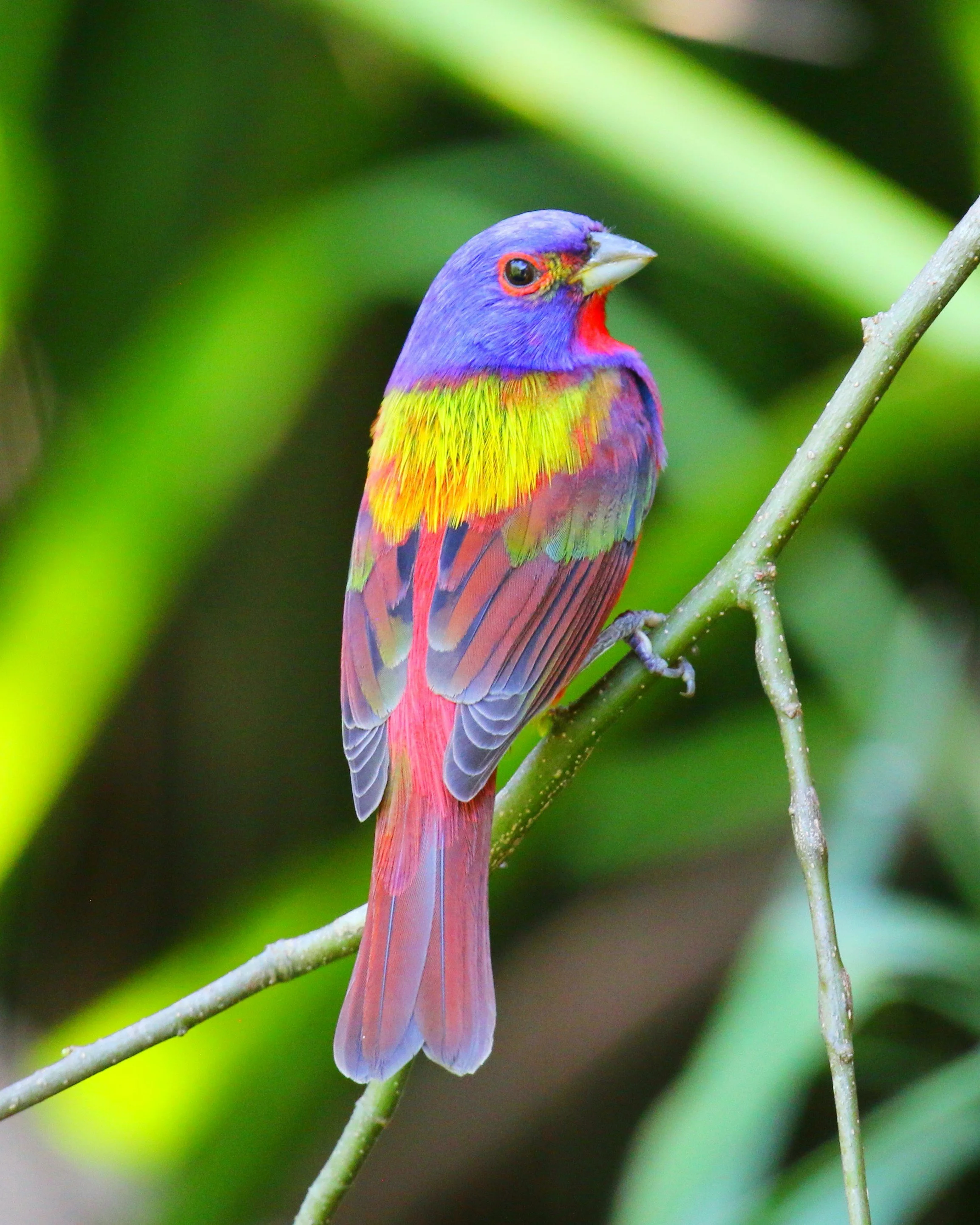
Few birds inspire quite the same reaction as a Painted Bunting. Adult males look almost unreal: deep blue heads, crimson underparts, and bright green backs, as if several tropical birds were stitched together into one. Females and immature birds are a smooth, leafy green—beautiful in their own understated way.
Habitat:
Painted Buntings favor brushy edges, hedgerows, coastal scrub, and open woodland. In the eastern U.S., they are often found near maritime habitats and backyard feeders, while western birds prefer arid scrub and desert edges.
Best time to see:
Late spring through summer (April–August) on breeding grounds in the southern U.S. Winter sightings are possible in southern Florida, Mexico, and Central America.
Prothonotary Warbler
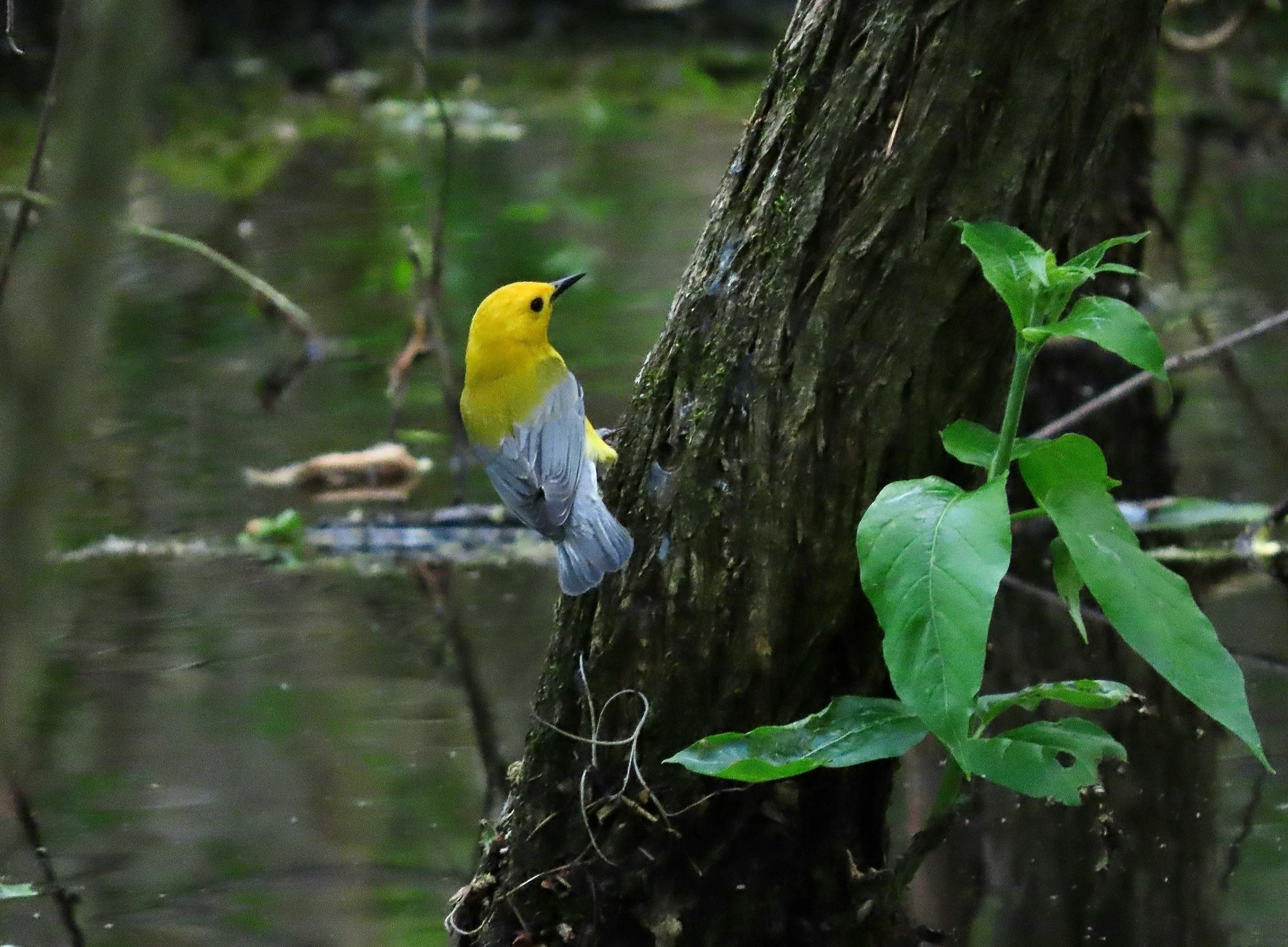
This glowing golden warbler seems to carry sunlight with it as it moves through shadowy swamps. Its brilliant yellow head and body contrast sharply with blue-gray wings, making it one of the easiest warblers to identify once spotted. When spotted in the sunlight, this bird’s coloring looks somehow electric.
Habitat:
Flooded forests, wooded swamps, and bottomland hardwoods. Unlike most warblers, Prothonotary Warblers nest in cavities, often over standing water.
Best time to see:
April through July during the breeding season in the southeastern and central U.S. Migration brings brief appearances farther north in spring.
Mountain Bluebird
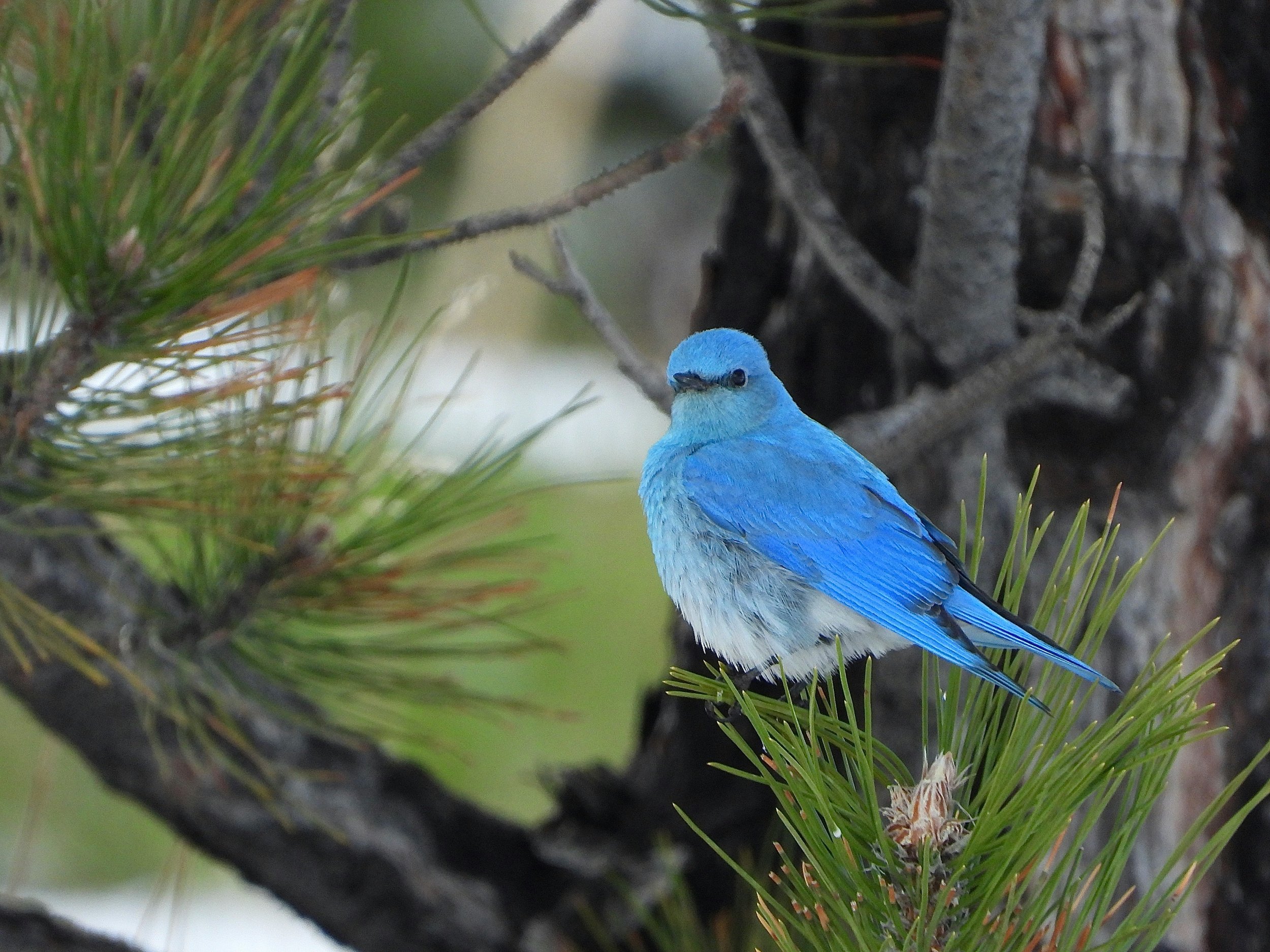
Soft, icy-blue and impossibly clean in color, the Mountain Bluebird feels like a piece of the open western landscape come alive. Males are a vivid turquoise-blue, while females wear muted gray-blue tones with hints of warmth on the breast.
Habitat:
Open country—grasslands, sagebrush flats, mountain meadows, and high-elevation valleys. They readily use nest boxes, which has helped populations in some regions.
Best time to see:
March through August in western North America. Winter sightings occur at lower elevations in parts of the West.
Red-Faced Warbler
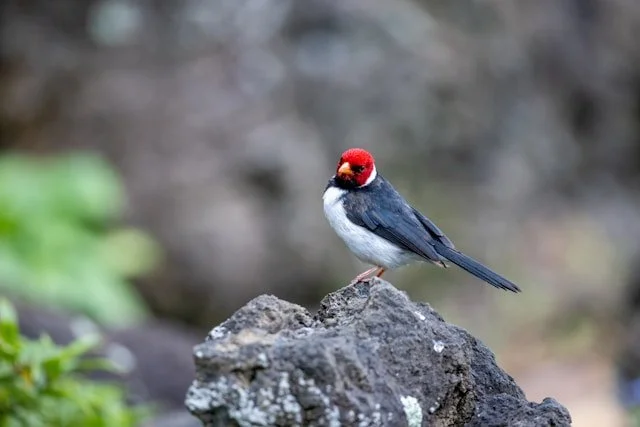
Striking and bold, the Red-faced Warbler looks like it belongs in a storybook. Its crimson face, white cheek patches, and black-and-white body pattern make it one of the most visually dramatic warblers on the continent.
Habitat:
High-elevation conifer and mixed forests, especially in mountainous regions of the Southwest and Mexico. They often forage low, hopping among understory vegetation.
Best time to see:
May through July in Arizona and New Mexico’s mountain ranges during breeding season. There is only a small number of these unbelievable birds in the United States so consider yourself lucky to see these striking rarities in the “sky islands” of the Southwest.
Cinnamon Teal
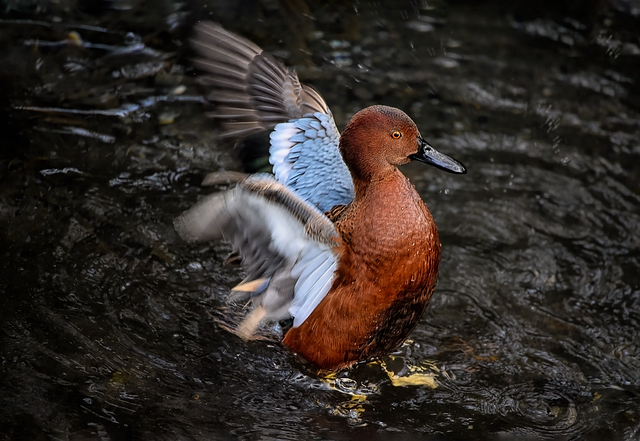
The Cinnamon Teal’s rich reddish-brown plumage looks almost painted on, especially when sunlight hits just right. Paired with glowing red eyes and a contrasting blue wing patch, this duck is unforgettable in breeding plumage and always manages to take my breath away.
Habitat:
Shallow freshwater wetlands, marshes, ponds, and slow-moving streams, particularly in the western U.S.
Best time to see:
March through September during breeding season. Winter sightings are more common in Mexico and the southwestern U.S.
Wood Duck
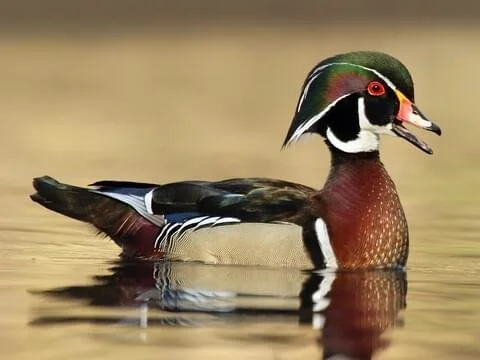
Often described as one of the most beautiful ducks in the world, the Wood Duck looks almost ornamental. Males boast iridescent greens and purples, bold white striping, chestnut flanks, and a distinctive swept-back crest. Wood Ducks clearly didn’t the memo that ducks are not supposed to be showy standouts.
Habitat:
Wooded swamps, forested wetlands, and quiet ponds. Like the Prothonotary Warbler, Wood Ducks nest in cavities and readily use nest boxes.
Best time to see:
Year-round in many regions, but spring is especially rewarding when males are in peak breeding plumage.
Costa’s Hummingbird
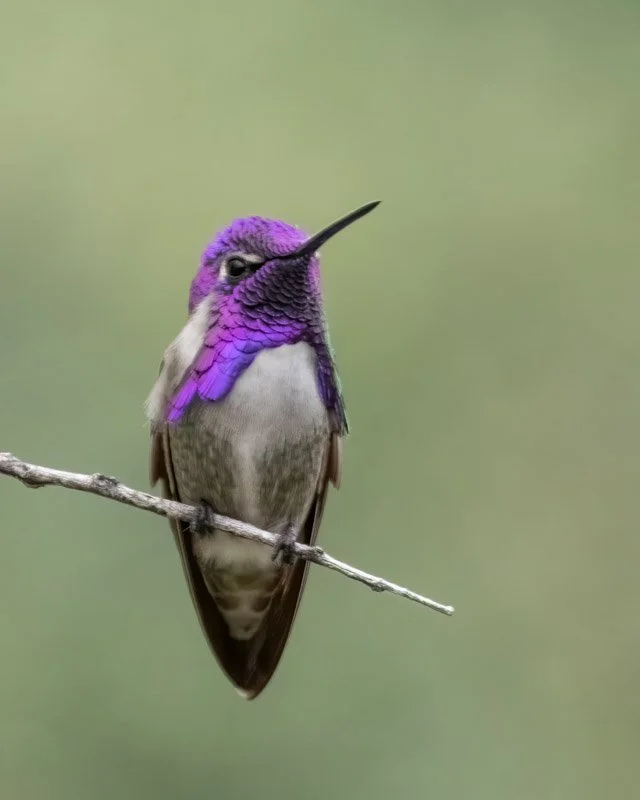
Tiny but electrifying, Costa’s Hummingbird is a desert jewel. Males feature a vivid purple crown and elongated gorget flaring out like neon sparks when caught by the sun.
Habitat:
Desert scrub, chaparral, and arid gardens in the southwestern U.S. They readily visit feeders and flowering plants.
Best time to see:
February through May during breeding season, with some individuals lingering year-round in southern desert regions. You often hear the “zing” of its breeding flight displays before you see the bird.
Western Tanager
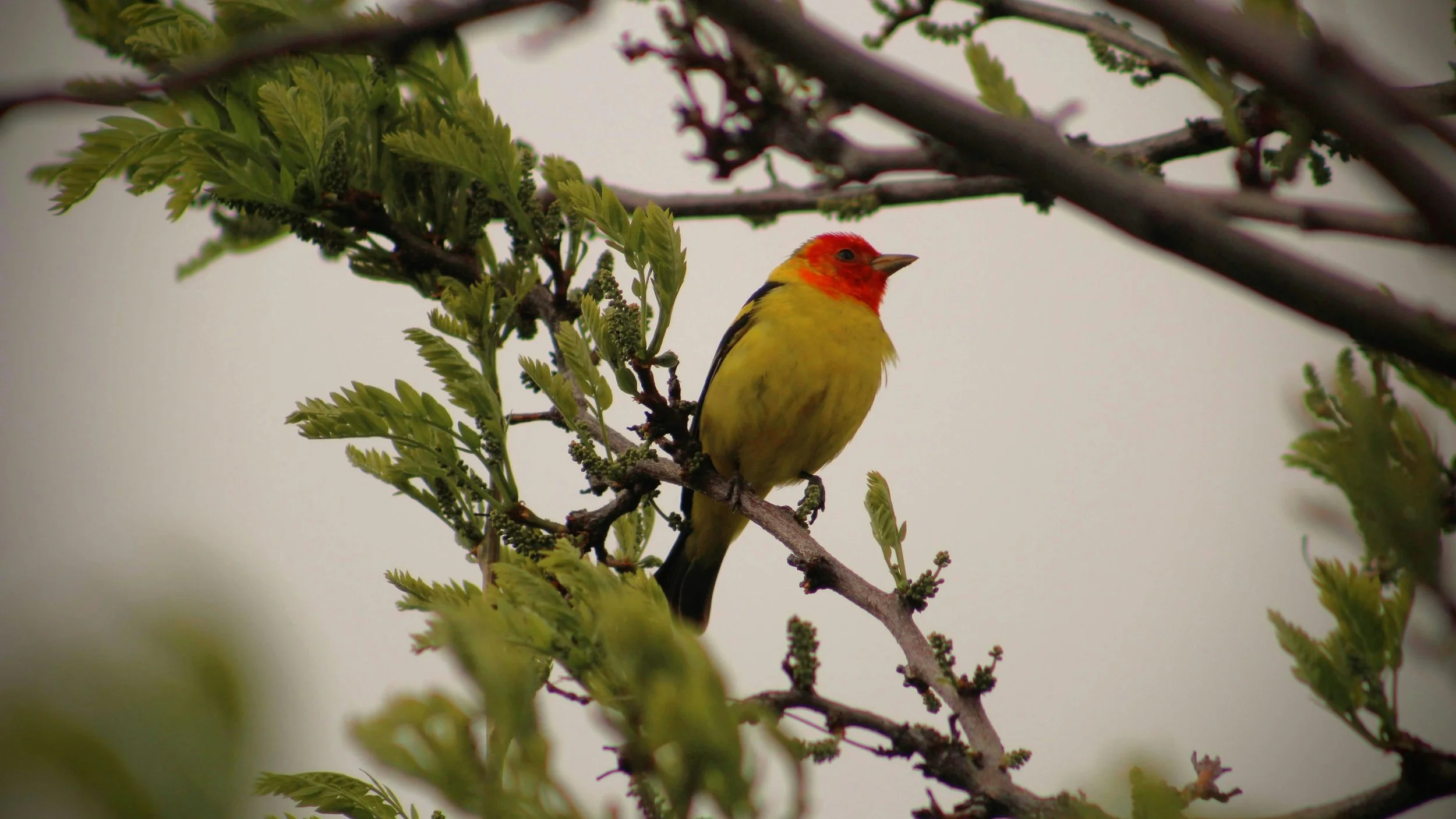
The Western Tanager looks like a bird assembled from bold design choices that somehow work perfectly together. Bright yellow bodies, jet-black wings, and a blazing red head make males stand out against evergreen forests.
Habitat:
Coniferous and mixed forests, especially during breeding season. During migration, they may appear in a wide variety of wooded habitats.
Best time to see:
May through July in western forests. Migration brings them to lower elevations and even backyard trees in spring and fall. I once experienced a tree full of Westerns in my backyard during fall migration. It was as though someone had strung red and yellow Christmas lights all over my tree - gorgeous!
Vermilion Flycatcher
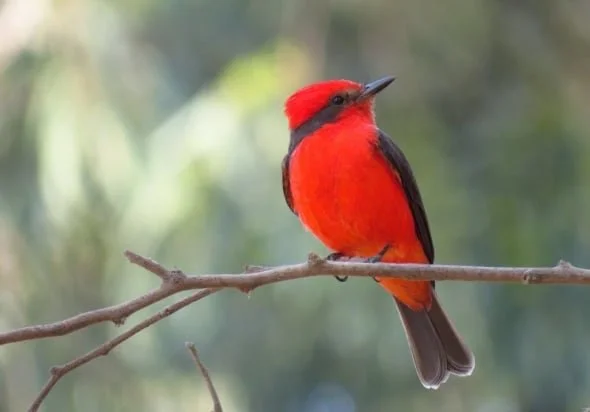
Few birds are as visually striking as a male Vermilion Flycatcher. Its intense scarlet red head and underparts contrast sharply with dark wings and tail, creating a bold, unmistakable look. Females are softer in color but still elegant.
Habitat:
Open woodlands, riparian corridors, desert edges, and farmlands with scattered trees. They are often seen perched conspicuously before darting out to catch insects.
Best time to see:
Year-round in parts of the Southwest and southern Texas. Spring and early summer offer peak viewing during breeding displays.
Green Jay
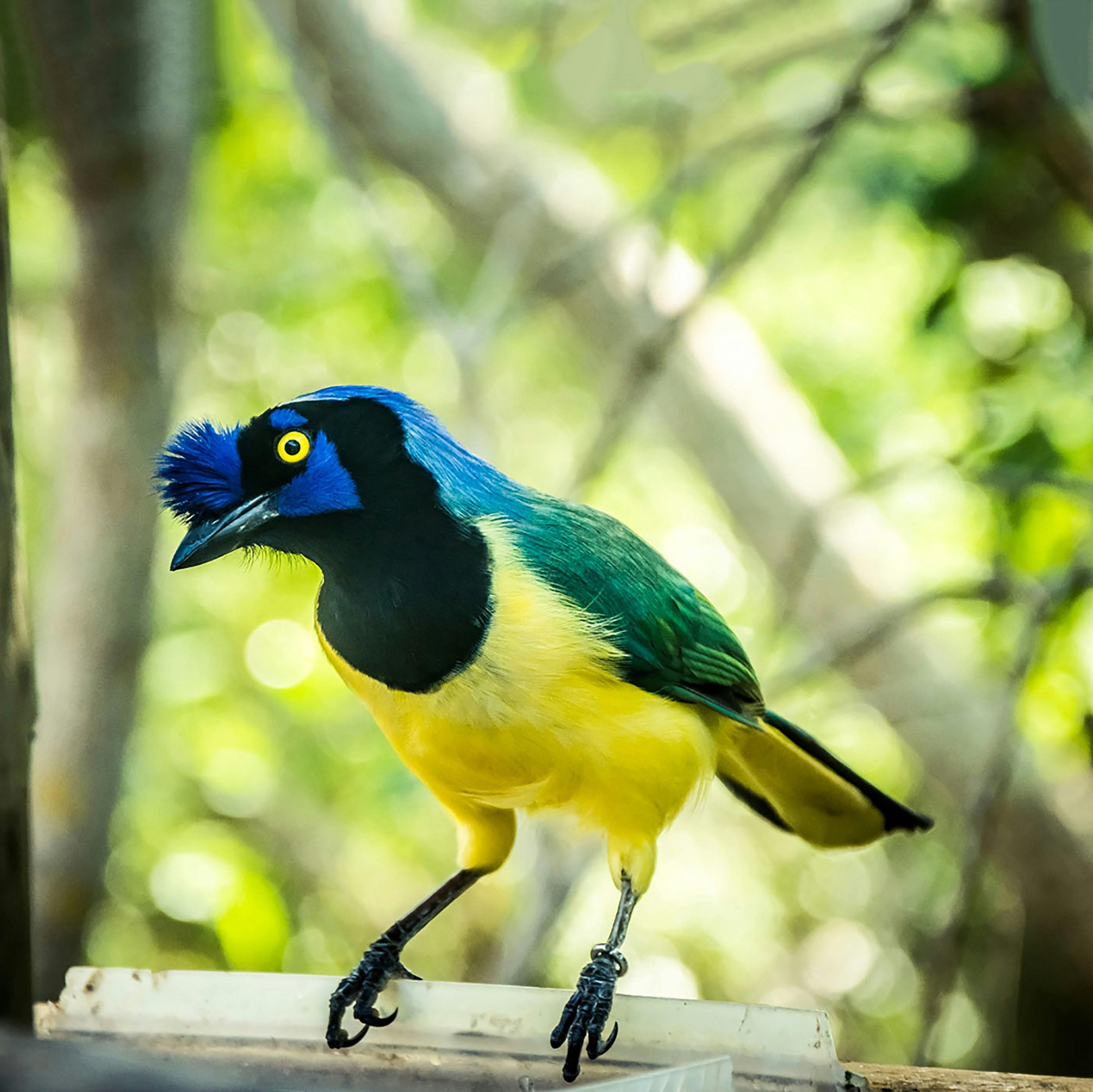
The Green Jay looks like it wandered north from a rainforest and decided to stay. With vivid green body plumage, a bright blue crown, bold black facial markings, and flashes of yellow, this bird feels almost too colorful to be real.
Unlike many birds whose beauty is fleeting or seasonal, Green Jays are striking year-round. They’re also intelligent, social, and often surprisingly bold, making sightings especially memorable. Both their coloring and their behavior say “notice me!”
Habitat:
Dense subtropical woodlands, thorn forests, and brushy areas—especially along the Rio Grande Valley of South Texas. They readily visit feeders stocked with peanuts and suet, which has made them a favorite among backyard birders in their limited U.S. range.
Best time to see:
Year-round in South Texas. Spring and early summer offer peak activity, vocalizations, and breeding behavior.
Why it stands out:
Green Jays remind us that North America’s beauty doesn’t stop at subtle pastels or forest camouflage. Sometimes it arrives loud, confident, and unapologetically colorful—rewarding birders willing to explore the continent’s southern edges.
Why Beauty in Birds Matters
Beauty is more than aesthetics—it’s often what draws people deeper into birding. A flash of color can spark curiosity, lead to learning, and eventually inspire conservation. Many of the birds listed here rely on specific habitats that are increasingly threatened: mature forests, wetlands, desert scrub, and riparian corridors.
By seeking out these birds, supporting habitat protection, and practicing mindful birding, we help ensure that future generations can experience the same moments of wonder—those split seconds when a bird appears, glowing, alive, and unforgettable.
If you’re planning your next birding trip, consider timing it around these species. Whether it’s a golden warbler in a shadowed swamp or a hummingbird flashing purple in the desert sun, North America’s most beautiful birds are waiting.
