

’Tis the Season for Christmas…Bird Counts!
A Birder’s Favorite Holiday Tradition (& a Science Powerhouse)
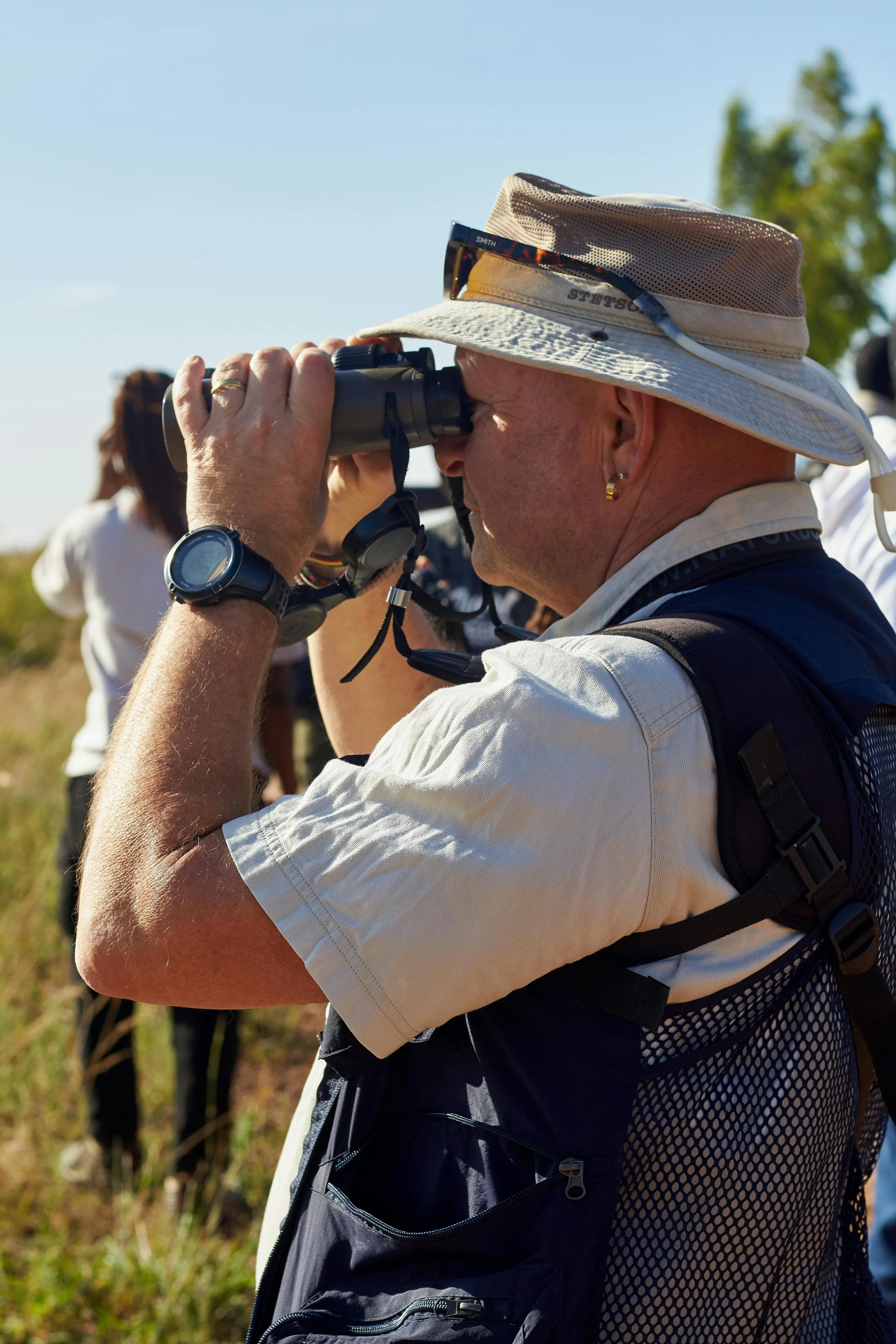
Every December, while the rest of the world is making shopping lists, baking cookies, and hanging garlands, birders across North America (and increasingly around the world) grab their binoculars and head outdoors for one of the longest-running community science projects on Earth: the Christmas Bird Count (CBC).
If you’ve ever wondered why thousands of people willingly get up before dawn in the coldest part of the year, the answer is simple—it matters, it’s fun, and it’s one of the best ways to grow as a birder while contributing to something far bigger than yourself.
Whether you're a seasoned birder, a backyard watcher, or someone who simply loves nature and wants to get involved, the Christmas Bird Count is a holiday tradition worth putting on your calendar.
🎄 What Exactly Is the Christmas Bird Count?
The Christmas Bird Count, organized by the National Audubon Society, began in 1900 when ornithologist Frank Chapman proposed an alternative to the Christmas “side hunts” that were popular at the time. Instead of shooting birds, participants would count them—and a conservation legend was born.
Each CBC takes place within a designated 15-mile diameter circle, and volunteers spend one day—between December 14 and January 5—counting every bird they see or hear. Data is collected, compiled, and sent to Audubon and researchers who use it to track long-term population trends.
There are now thousands of circles across North America, Latin America, and the Caribbean, with more being added each year.
In other words, when you join a CBC, you’re stepping into a tradition that spans more than a century and helps shape our understanding of bird populations across the Western Hemisphere.
Why Christmas Bird Counts Matter:
🎁 1. Wildlife Data That Truly Makes a Difference
While the CBC is fun, it’s also serious science—and one of the strongest datasets biologists have for tracking bird populations over time.
A. Over 120 Years of Population Trends
Because the Christmas Bird Count has been running since 1900, it provides one of the longest continuous wildlife data sets in the world. Trends that would otherwise be invisible become clear:
Increases in suburban-friendly species
Declines in grassland birds
Northward shifts linked to climate
Urbanization impacts
Changes in migration timing
For many species, the CBC provides critical evidence of long-term change.
B. Identifying Conservation Needs
CBC data has directly supported major conservation reports, including Audubon’s State of the Birds and Survival by Degrees climate report.
Researchers can pinpoint which species are in trouble early—long before declines become crises.
For example, CBC data helped spotlight concerns about:
Evening Grosbeaks
Rusty Blackbirds
Northern Bobwhites
Certain owl species
This information helps determine where conservation funding goes, which habitats get protected, and what species receive additional monitoring.
C. Tracking Climate Change in Real Time
In many regions, species like the Red-bellied Woodpecker or Orange-crowned Warbler have steadily expanded their winter ranges northward.
Without the CBC’s massive volunteer effort, this kind of trend would be nearly impossible to document.
Birds are early indicators of ecological change—and the Christmas Bird Count is often the first place these changes show up.
The Human Side of the Count:
🎁 2. Benefits for Participants (Even Beginners!)
Participating in a Christmas Bird Count isn’t just about science. It’s also about community, learning, and the thrill of the hunt—minus the hunting part.
A. You Don’t Need Experience (Really!)
Every CBC is led by a local compiler who assigns you to a team, often pairing beginner birders with experienced leaders.
It’s one of the best “trial by fire” birding experiences you can have:
You learn to identify birds quickly
You learn how to bird by ear
You learn habitats and hotspots
You build confidence faster than almost any other type of outing
Beginners often leave saying, “I had no idea I could learn that much in one day.”
B. A Birding Skills Bootcamp
Counting birds isn’t the same as casual watching. You learn to:
Estimate flocks accurately
Differentiate similar species
Break down field marks
Keep steady notes or use eBird protocols
Scan habitats efficiently
It sharpens your observational skills in a way that carries over into all your future birding.
C. You’ll Discover Hidden Birding Gems
Even if you live in the same town for 30 years, you will visit places you didn’t know existed:
Private ranches opened for the count
Off-trail wetlands
Remote ponds or river bends
Quiet neighborhoods filled with winter birds
CBC routes often include areas otherwise inaccessible to the public—making the day feel even more special.
D. Community and Camaraderie
One of the best parts?
The people.
CBC teams often form bonds that last for years. Some groups meet for breakfast before sunrise, some do midday check-ins, and many celebrate afterward with chili cook-offs or holiday potlucks.
There’s a shared sense of mission, and also shared joy when someone calls out:
“Pine Siskins overhead!”
“I’ve got a Merlin on the snag!”
“Wait—did anyone else see that kinglet?”
It’s birding at its most exciting and communal.
E. A Sense of Purpose
There’s something grounding about spending a cold December day outside, doing something that matters.
You become part of something bigger—something that will outlive you and contribute to bird conservation for generations.
It’s hard to think of many holiday traditions that offer that.
How Counts Work:
🎁 3. What to Expect on Your First Christmas Bird Count
If you’ve never done one, here’s a simple walkthrough of how most CBCs unfold.
Step 1: Sign Up
Search for your local circle on Audubon’s website or your local birding group’s page.
Each circle has a compiler who organizes teams and assigns coverage areas.
Step 2: Pre-Dawn Meetup
Most teams start early because winter birds are active at sunrise. Some CBCs begin with owling—listening for owls before daylight.
Step 3: Divide and Conquer
Teams cover a section of the circle:
Parks
Neighborhoods
Lakes
Creeks
Woodlots
Fields
You'll often walk, drive, and scan from roadside pull-offs.
Step 4: Count Everything
Yes, everything:
Every bird
Every species
Every flock
Sometimes even every squirrel (some circles track mammals too)
You’ll record numbers, behavior, and exact locations.
Step 5: Submit Data
Your team returns your tally to the compiler who compiles the circle’s full report.
Step 6: Celebratory Gathering (Optional but Encouraged!)
Many CBCs end with a:
Warm meal
Count tally reveal
Friendly debate over tricky birds
Stories of rare sightings
It’s all part of the magic.
The Fun Factor:
🎁 4. Why Christmas Bird Counts Feel Like a Holiday Adventure
Even though CBCs are structured, the day is full of surprises, challenges, laughter, and wonder.
A. It’s a Real-Life Birding Treasure Hunt
Every team hopes for something exciting:
A rare gull
A surprising sparrow
A wintering warbler
A Lewis’s Woodpecker showing up where it “shouldn’t” be
Or that one owl every group secretly wants to find
And when it happens?
It feels like opening the best possible present.
B. The Weather Is Part of the Story
Some years, it’s crisp and sunny.
Others… well, let’s just say that CBC legends are built on:
Icy mornings
Misty riverbanks
Unexpected snow
Cold fingers gripping binoculars
And for many birders, that’s part of the charm.
C. You Become a Winter Wildlife Detective
Winter birding sharpens your observational skills:
Breadcrumb trails of tracks
Rustling leaves
Far-away silhouettes
Gnatcatchers that shouldn’t be here
Mystery sparrows in the brush
The season makes you pay attention.
And that’s where the joy is.
D. You Create Traditions
Many families, friends, and birding clubs treat CBC day like a cherished holiday ritual:
Same route each year
Same breakfast diner
Same post-count gathering
Same “big bird” everyone hopes to find
It becomes a tradition every participant looks forward to.
How to Get Involved This Year
If you’ve never joined a Christmas Bird Count, this is the year to start.
1. Search for Your Local Count
Go to Audubon’s CBC map and find a circle near you. Many cities have multiple.
2. Choose Your Role
You can join as:
A field counter
A feeder-watcher (great for beginners or mobility-limited participants)
A photographer
A recorder/notetaker
There’s room for everyone.
3. Bring the Basics
Binoculars
Weather-appropriate clothing
Snacks and water
A field guide or app (Merlin, Sibley, etc.)
A good attitude for a long—but rewarding—day
4. Commit to the Full Day (If You Can)
Most CBCs run from early morning through late afternoon, but partial participation is often welcome.
’Tis the Season:
Why Christmas Bird Counts Capture the Spirit of the Holidays
When you strip away the shopping bags, decorative lights, and hectic schedules, the holidays are about:
Connection
Kindness
Community
Tradition
Giving back
The Christmas Bird Count embodies all of these.
You’re connecting with nature.
You’re helping protect something fragile.
You’re spending time with people who share your passion.
You’re giving back through science.
And you’re stepping into a tradition more than a century old.
It’s a reminder that joy doesn’t always come wrapped in a box—sometimes it flies by on quiet wings, calls from the treetops, swoops across a winter sky, or pops up as a cluster of chickadees in a cedar hedge.
Join a Christmas Bird Count this year, and you might just find that the best holiday memories aren’t made inside—they’re made outdoors, among birds, friends, and the beauty of winter.
