

Designing the Perfect Backyard Feeding Station
Create a bird-friendly hub that attracts more species, reduces waste, and brings your yard to life.
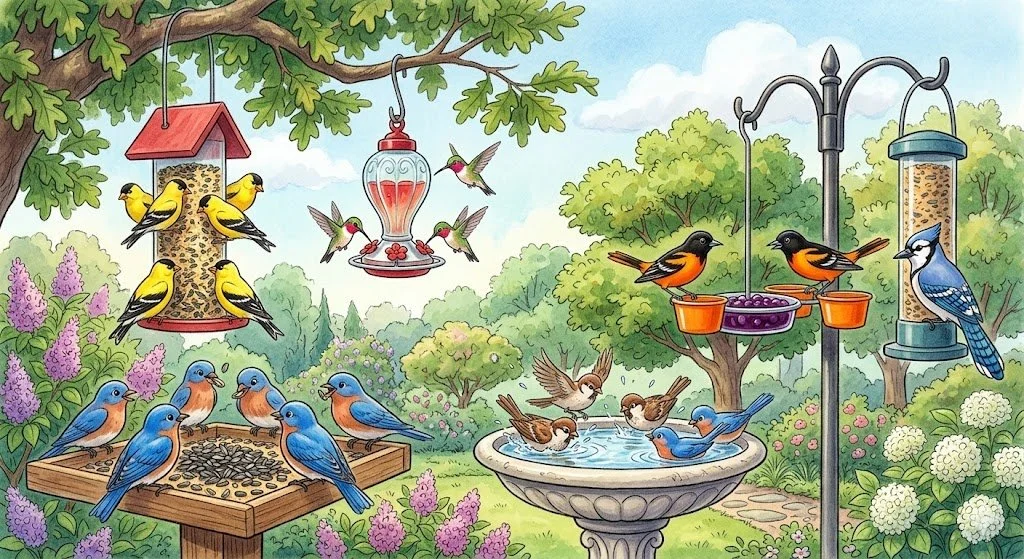
If you feed birds long enough, you eventually learn a simple truth: where and how you place your feeders matters just as much as what you put in them.
A random feeder hanging from a shepherd’s hook will certainly attract birds. But a thoughtfully designed backyard feeding station can transform your yard into a miniature bird sanctuary—one that attracts a greater variety of birds, reduces squabbles and seed waste, and provides safer feeding conditions.
Think of a feeding station as a small ecosystem rather than just a place to hang a feeder. When done well, it becomes the focal point of bird activity—finches clinging to tubes, cardinals perched on platforms, woodpeckers working suet, and perhaps even a hummingbird buzzing through in summer.
The good news? You don’t need a huge yard or a big budget. A few strategic choices can turn almost any backyard into a birding hotspot.
Let’s design one.
Start with the Right Location
Before you buy feeders or seed, step outside and look at your yard through a birder’s eyes.
Birds want three things near a feeding area:
• Food
• Safety
• Nearby shelter
Your feeders should sit close enough to cover so birds can escape predators, but not so close that predators can ambush them.
A good rule of thumb is:
Place feeders 8–12 feet from shrubs or small trees.
This distance gives birds a quick escape route while preventing cats or other predators from hiding directly next to the feeder.
Also consider the following:
Visibility from your house
If you can see the feeders from a kitchen window or favorite chair, you’ll enjoy them more.
Protection from wind
A feeder swinging wildly in the wind is less attractive to birds and more likely to spill seed.
Morning sun, afternoon shade
Morning light warms birds early in the day while afternoon shade helps keep seed fresh.
Sometimes the best location is not the center of the yard but slightly off to one side near natural cover.
Think Like a Bird: Layers Matter
Birds feed at different heights and in different ways. A great feeding station takes advantage of this by creating vertical layers of food.
Instead of one feeder, imagine a mini feeding tower.
From top to bottom, it might include:
• A tube feeder for finches and chickadees
• A hopper feeder for cardinals and grosbeaks
• A suet feeder for woodpeckers and nuthatches
• A platform feeder for ground-feeding birds
• A small tray underneath for fallen seed
This arrangement spreads birds out naturally and reduces competition.
Some species prefer clinging feeders. Others need a platform. A few prefer to feed on the ground.
When you offer multiple feeding styles, you invite a wider variety of birds to visit.
Choose Feeders for Specific Birds
Not all feeders are created equal. Different designs attract different birds.
Here are some of the most useful feeder types.
Tube Feeders
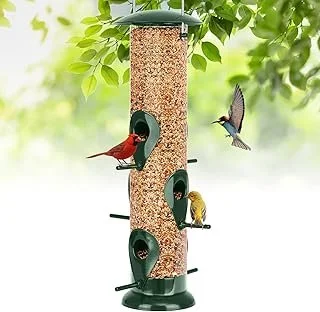
These are the workhorses of backyard feeding.
Filled with sunflower or nyjer seed, tube feeders attract:
• Finches
• Chickadees
• Titmice
• Nuthatches
• Small woodpeckers
Because they limit how birds access the seed, they also help reduce waste.
Hopper Feeders
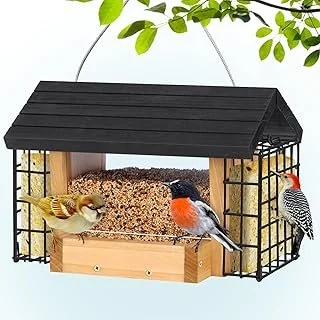
Hopper feeders resemble small houses and hold larger quantities of seed.
They attract:
• Cardinals
• Grosbeaks
• Jays
• Sparrows
Because they offer larger perches, they are ideal for bigger songbirds.
Platform Feeders
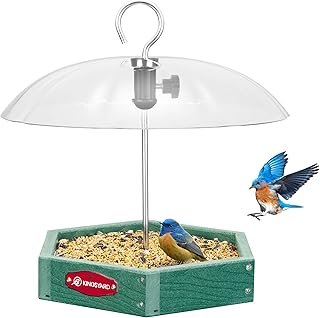
Platform feeders are incredibly versatile.
They attract:
• Mourning Doves
• Cardinals
• Juncos
• Towhees
• Blackbirds
They are also perfect for offering fruit, mealworms, or specialty foods.
Just remember to clean them regularly since they are more exposed to weather and droppings.
Suet Feeders
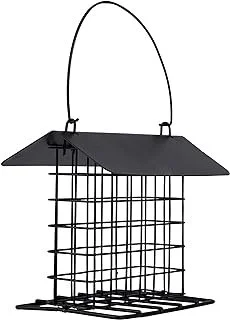
Suet provides high-energy fat that birds rely on in cooler months.
Expect visits from:
• Woodpeckers
• Nuthatches
• Chickadees
• Wrens
A suet feeder positioned slightly away from the main station can reduce crowding.
Hummingbird Feeders
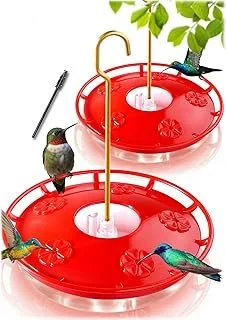
If you want hummingbirds visiting your yard, a dedicated nectar feeder is essential.
Place hummingbird feeders several feet away from seed feeders to reduce conflict with larger birds.
Offer the Right Food
A perfect feeding station is only as good as the food it provides.
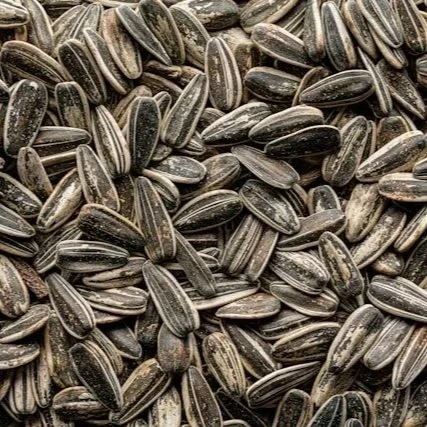
The single best seed for attracting the widest variety of birds is black oil sunflower seed.
Its thin shell and high fat content make it a favorite among many species.
Other excellent options include:
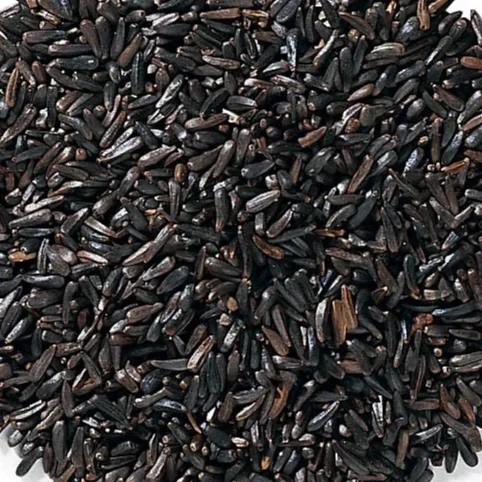
Nyjer (thistle)
Ideal for finches and siskins.
Shelled sunflower hearts
More expensive but almost zero waste.
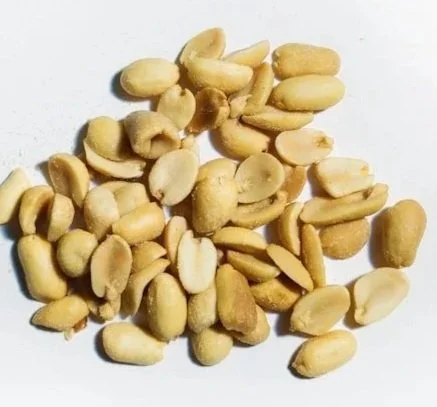
Peanuts
Loved by woodpeckers, jays, and titmice and almost everyone else in winter.
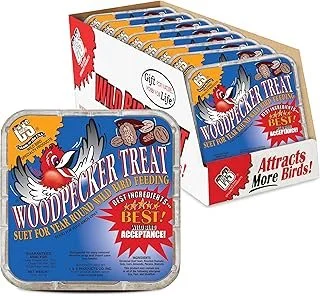
Suet cakes
Especially valuable in fall and winter.
Grape jelly or fruit
Attracts orioles and other fruit-eating birds.
By offering two or three different foods, you dramatically increase your bird diversity.
Reduce Seed Waste
One frustration many backyard birders experience is seed scattered everywhere.
A well-designed feeding station can help reduce waste.
Try these strategies:
Add a seed tray under tube feeders
This catches falling seed before it hits the ground.
Use quality seed mixes
Cheap mixes often contain filler seeds birds throw away. No waste mixes are great to reduce shells and debris (often expensive). Consider no mixes but different seed in different feeders.
Offer seeds birds actually prefer
Sunflower and peanuts are rarely wasted. Sunflower pieces or chips have no shell to waste.
Avoid millet-heavy mixes unless targeting ground birds
Waste isn’t just messy—it can attract rodents and unwanted visitors. I feed white millet in winter for my Chipping and White-crowned Sparrows as well as Juncos. And try to keep our 4 species of resident doves away from the millet.
Design with Predator Safety in Mind
Birds face dangers at feeders.
The most common threats are:
• Cats
• Hawks
• Window strikes
A well-designed feeding station can help minimize risk.
Protect Against Cats
Cats are incredibly efficient predators.
Some ways to help birds stay safe:
• Place feeders at least 10 feet from hiding places and do not plant flowers or shrubs around the base of the feeder pole.
• Avoid placing feeders directly beside fences
• Use baffles on poles to prevent climbing
If neighborhood cats are an issue, elevating feeders on poles rather than hanging them from trees can help.
Hawks Are Part of Nature
Occasionally a hawk will visit your yard.
This can feel upsetting at first, but it is a natural part of the ecosystem.
The best approach is providing escape cover.
Shrubs and small trees give birds a place to hide if a hawk appears.
As difficult as it can be, remember: hawks have to eat too and typically prey on sick or injured birds which makes the general population healthier. They also take rodents when the opportunity arises. If the hawk persists in your yard more than a couple days and you want it to move on. Don’t feed your birds for a couple days. Songbirds will disperse and the hawk will look elsewhere. Don’t worry your songbirds will find you again.
Add Water Nearby
Food attracts birds.
Water keeps them coming back.
A simple birdbath with shallow water (less than 2”) near your feeding station can double the activity in your yard.
Birds use water for both drinking and bathing.
A few tips:
• Place water where birds have a clear view of predators
• Add a shallow stone for footing
• Keep water fresh and clean
Moving water—like a small dripper or bubbler—can attract birds from surprising distances.
Incorporate Natural Landscaping
Feeders are only one piece of a bird-friendly yard.
Plants provide:
• Shelter
• Nesting sites
• Natural food sources
Native shrubs and trees are especially valuable.
Plants that produce berries, seeds, or nectar help create a more complete habitat.
Good examples include:
• Serviceberry
• Dogwood
• Elderberry
• Coneflower
• Bee balm
These plants support birds while also benefiting pollinators and other wildlife.
A backyard feeding station surrounded by natural landscaping quickly becomes a true wildlife oasis.
Plan for Easy Maintenance
A beautiful feeding station won’t stay beautiful unless it’s easy to maintain.
When designing your setup, consider:
• How easy it is to refill feeders
• Whether feeders can be removed for cleaning
• If the area drains well after rain
• How you will rake or sweep spilled seed
Bird feeders should be cleaned every couple of weeks to prevent disease.
Designing a station that makes this simple will save you time and help keep birds healthy.
Keep the View in Mind
Part of the joy of backyard birding is simply watching birds go about their daily lives.
When planning your feeding station, imagine where you will sit and watch.
A great feeding station often sits 10–20 feet from a favorite viewing window.
This distance is close enough for binoculars and photography while minimizing disturbance.
Some birders even place a small bench or chair outside nearby for quiet observation.
You may find yourself spending more time out there than you expected.
Expect a Little Chaos
Once your feeding station is established, things can get lively.
Birds squabble. Jays chase others away. Woodpeckers monopolize the suet. Finches swarm the tube feeders.
This activity is normal—and part of the fun.
With multiple feeders and foods available, birds usually sort themselves out.
And on some mornings, you may look out your window to see a yard full of birds and realize something wonderful has happened.
Your backyard has become a gathering place for wildlife.
The Real Reward
A well-designed feeding station does more than attract birds.
It connects us to the rhythms of the natural world.
You begin to notice seasonal changes:
Finches arriving in winter.
Orioles returning in spring.
Young birds learning to feed on their own.
Over time, the feeding station becomes more than a project.
It becomes a daily window into nature.
And with just a little thoughtful design, that window can open wider than you ever imagined.
