

Looking for a New Pastime?
Try One that Helps You Unplug, Unwind and Reconnect
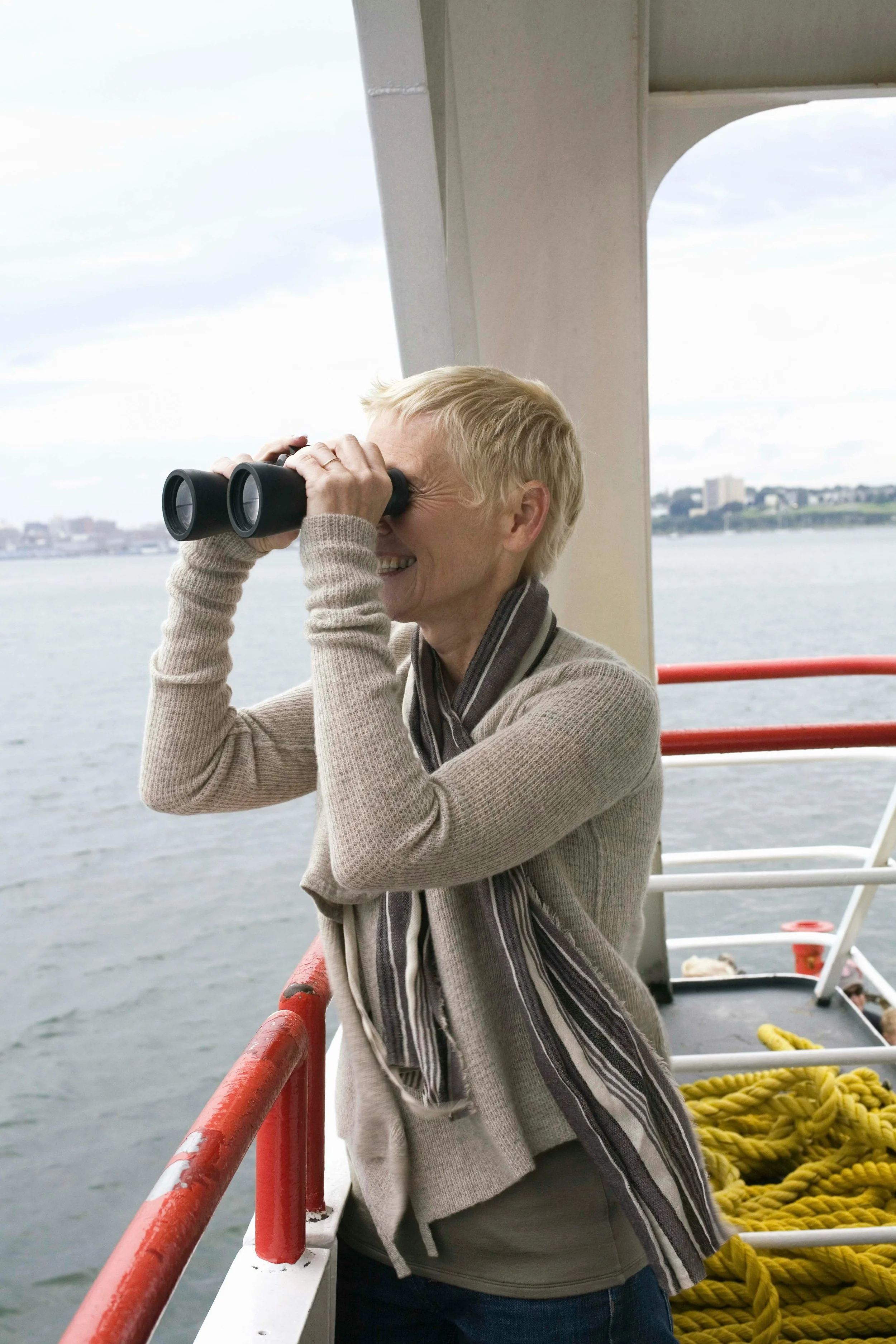
At some point—often without much warning—we realize we need something different.
Not another app.
Not another obligation.
Not another thing that fills our calendar but empties our energy.
What we’re really searching for is a pastime that helps us slow down, breathe more deeply, and feel connected again—to ourselves, to other people, and to the natural world around us.
We want something that lets us unplug, unwind, and de-stress. Something that gets us outdoors without requiring extreme fitness, expensive gear, or a competitive mindset. Something that gives our minds a rest while quietly engaging our curiosity and sense of wonder.
If that sounds familiar, there’s an answer hiding in plain sight.
It’s birding.
Why So Many People Are Rethinking Their Free Time
Modern life is loud—digitally, mentally, emotionally. Even our “downtime” often involves screens, notifications, and constant stimulation. We scroll to relax, stream to decompress, and multitask even when we’re supposed to be resting.
But our nervous systems don’t always recognize that as rest.
More and more people are realizing that what they crave isn’t distraction—it’s presence. They want a pastime that creates space instead of noise. One that invites them outside, engages their senses, and gently pulls them into the moment they’re actually living in.
Birding does exactly that.
It asks you to look up.
To listen carefully.
To slow your pace just enough to notice what’s always been there.
And in doing so, it offers something rare: a way to feel calm and curious at the same time.
What Is Birding, Really?
At its core, birding is simply the practice of observing birds—where they live, how they behave, when they appear, and how they move through the seasons. You can do it in your backyard, at a neighborhood park, on a quiet trail, or while traveling to new places.
But birding is more than just identifying species.
It’s noticing patterns.
It’s learning to be patient.
It’s being present enough to hear a sound and pause instead of rushing past it.
I remember driving my boss to a meeting in Colorado and pointing out the raptors soaring as we traveled. “There’s a Golden Eagle,” I said. She commented, “how do you do that?!” and I replied, “I pay attention.” Birding taught me to notice beyond the surface, the obvious, the noise.
For some people, birding becomes a casual pastime—a reason to get outside more often. For others, it grows into a lifelong passion filled with learning, travel, photography, journaling, conservation, and community. There’s no single “right” way to do it.
And that’s part of its appeal.
The Mental and Emotional Benefits of Birding
One of the reasons birding resonates so deeply is because it works with the way our minds are wired.
Birding naturally encourages mindfulness. When you’re listening for a call, scanning a tree line, or watching a bird’s behavior, your attention is anchored in the present moment. Worries about yesterday and tomorrow tend to quiet themselves.
Many birders describe the experience as meditative—without needing to sit still or force calm. Your mind becomes focused, but not strained. Curious, but not overwhelmed.
Birding has also been linked to:
Reduced stress and anxiety
Improved mood and emotional regulation
Increased feelings of awe and gratitude
Better focus and mental clarity
There’s something profoundly grounding about watching another living creature go about its day. It reminds us that life exists beyond our to-do lists—and that we’re part of a much larger, beautifully complex world.
Getting Outdoors Without Pressure or Performance
Unlike many hobbies, birding doesn’t demand peak physical fitness, special skills, or a rigid time commitment. You don’t have to hike miles, wake up at dawn, or travel far from home (unless you want to).
You can bird:
From a kitchen window
During a lunch break
On a short walk around your block
While sitting quietly on a park bench
This low barrier to entry makes birding incredibly accessible. It meets you where you are—physically, emotionally, and energetically.
And because birds are everywhere, birding turns ordinary places into spaces of discovery. The same park you’ve walked past for years suddenly becomes interesting again. Familiar landscapes reveal new details. Seasons feel more distinct and meaningful.
A Hobby That Grows With You
One of the quiet strengths of birding is that it evolves.
You might start by noticing a bright red bird in winter or a flash of yellow in spring. Over time, you begin to recognize familiar visitors. Then you learn their names. Then their habits. Then their stories.
Some birders enjoy keeping lists. Others love photography or journaling. Some are drawn to backyard habitats and feeders, while others enjoy traveling to birding hotspots. Many find joy in learning bird songs, understanding migration patterns, or participating in citizen science.
You don’t have to decide any of that at the beginning.
Birding can stay simple—or become wonderfully layered—depending on what you need in your life right now.
Birding as a Way to Connect With Others
While birding can be a deeply personal, solitary experience, it’s also surprisingly social.
Birders love to share what they’ve seen. They swap stories, tips, and sightings. Bird walks, local clubs, nature centers, and online communities create easy opportunities to connect with people who share a genuine appreciation for the natural world.
For many adults, birding becomes a rare way to make new connections without small talk pressure. Conversations form naturally around shared observations and mutual curiosity.
And because birding spans generations, it often brings together people of different ages and backgrounds—united by the simple joy of noticing birds.
How to Get Started (Without Overthinking It)
If birding sounds appealing but also a little intimidating, take a breath. Getting started is easier than you think.
You don’t need to know bird names.
You don’t need expensive equipment.
You don’t need to “be good at it.”
You just need to begin paying attention.
Start by noticing the birds you already see. Watch how they move. Listen to their calls. Observe where they land and what they’re doing. Curiosity is more important than knowledge at this stage.
If you’d like a little structure, my Beginning Birding Series – Part 1 walks through the basics in a gentle, encouraging way. It covers foundational ideas and tools that help new birders feel confident without feeling overwhelmed. I’ll link that post here so you can explore it when you’re ready.
From there, you can build slowly:
A simple pair of binoculars can enhance what you see
A field guide (recommended) or app can help you identify species
Short, regular outings build familiarity and confidence
But none of those are requirements. Birding begins the moment you choose to look—and listen—with intention.
A Pastime That Gives More Than It Takes
So many hobbies demand constant input: money, time, attention, performance. Birding is different.
Birding gives back.
It gives calm on stressful days.
It gives focus when your mind feels scattered.
It gives wonder when life feels routine.
It invites you outdoors, gently reconnects you with nature, and reminds you that beauty and meaning exist right where you are—often just overhead.
If you’re looking for a new pastime—one that helps you unplug, unwind, de-stress, and reconnect—birding may be exactly what you’ve been searching for.
And the best part?
You can start today.
Right where you are.
