

Specialty Foods to Attract Backyard Birds
Go Beyond Seed to Welcome a Wider Backyard Birds
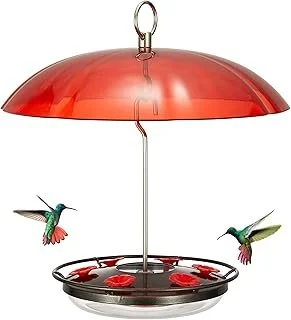
Backyard bird feeding often begins with a simple bag of seed and a feeder hung near a window. And that’s a wonderful start. A good seed mix will attract many familiar visitors—cardinals, chickadees, finches, sparrows, and perhaps a woodpecker or two.
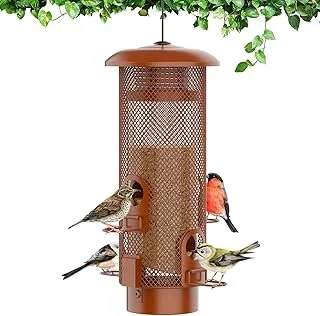
But here’s a secret many backyard birders eventually discover:
Some of the most exciting birds don’t come primarily for seed.
Orioles prefer fruit and nectar. Bluebirds love insects. Woodpeckers relish suet. Many species eagerly grab peanuts. And hummingbirds—well, they’re in a category all their own.
Offering specialty foods is one of the easiest ways to dramatically increase the variety of birds visiting your yard. With just a few simple additions, your backyard feeding station can become a much richer habitat.
Let’s explore the most effective specialty foods and the birds they attract.
Why Specialty Foods Work
Different birds have evolved to eat very different diets.
Some are seed specialists like finches and sparrows. Others rely heavily on insects, fruit, nectar, or nuts. When backyard feeders provide only seed, those other birds simply pass by.
By expanding the menu, you start inviting species that might otherwise ignore your yard.
Another benefit is that specialty foods often:
Attract colorful or charismatic birds
Provide high-energy nutrition
Mimic foods birds naturally seek in the wild
Increase the seasonal diversity of birds visiting your yard
In many cases, it takes only one additional food source to bring in entirely new species.
Let’s look at the most useful options.
Fruit: A Favorite of Orioles and More
Fruit is one of the easiest specialty foods to offer—and it can attract some of the most beautiful backyard birds.
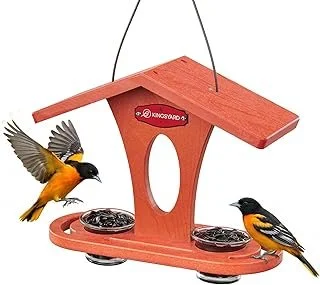
Orioles in particular are famous fruit lovers.
If you live anywhere within the range of Baltimore Orioles, Bullock’s Orioles, Orchard Orioles, or Scott’s Orioles, fruit offerings can be extremely effective.
Best Fruits to Offer
The most popular choices include:
Orange halves
Apple slices
Grapes
Berries
Banana pieces
The classic trick is simply cutting an orange in half and placing it on a spike feeder or platform feeder.
Orioles often discover them quickly.
Once they do, they may return repeatedly throughout the day.
Other Birds That Enjoy Fruit
Orioles may be the headline act, but they aren’t alone.
Fruit can also attract:
Gray Catbirds
Northern Mockingbirds
American Robins
Cedar Waxwings
Tanagers (in migration)
Many of these species rarely visit seed feeders, so fruit can open the door to an entirely new group of backyard birds.
A Quick Tip
Fruit spoils quickly in warm weather.
Put out a small amount (like half an orange) where the color might attract attention on the ground or on an open platform feeder. Watch for the arrival of some robins, mockingbirds, etc then add more fruit as demand increases. Replace it regularly to prevent mold or fermentation, especially during hot summer days.
Hummingbird Nectar: A Backyard Favorite
Few backyard birds generate as much excitement as hummingbirds.
Their speed, agility, and shimmering colors make them one of the most magical visitors a yard can have.
Fortunately, attracting them is remarkably easy.
The Simple Nectar Recipe
Hummingbird nectar requires only two ingredients:
1 part white sugar
4 parts water
Bring the water to a boil, dissolve the sugar, and allow the mixture to cool before filling feeders.
That’s it.
No dyes are needed. The red color on most hummingbird feeders already provides enough visual attraction.
In fact, artificial dyes are unnecessary and may cause great harm.
Why Nectar Feeders Work
In the wild, hummingbirds feed on flower nectar and tiny insects.
Backyard feeders mimic that natural nectar source, giving birds a dependable place to refuel.
This is particularly important during:
Spring migration
Fall migration
Periods when flowers are scarce
Hummingbirds burn an enormous amount of energy. A reliable nectar source can help them recover quickly between feeding bouts.
Cleanliness Is Critical
Because nectar contains sugar, it can spoil quickly—especially in warm weather.
A good rule of thumb:
Make sure any feeder you buy comes apart for thorough cleaning
Clean feeders every 3–5 days
More often during hot weather
A quick rinse with warm water and a brush usually does the job. A more vigorous cleaning if you see any blackish buildup (mold) on ports - feeding holes - or cloudiness in the nectar water. Many feeders come with bottle brushes and tiny brushes just for this purpose.
Clean feeders keep hummingbirds healthy and encourage them to return.
Mealworms: A Bluebird’s Favorite Treat
If your goal is attracting Eastern Bluebirds, Western Bluebirds, or Mountain Bluebirds, mealworms are one of the most reliable foods you can offer.
Bluebirds are primarily insect eaters. While they may occasionally visit seed feeders, they strongly prefer insects. [I watch my bluebirds dozens of times each day visit our birdcam feeder where we supply peanut butter suet for warblers and other little guys] Next week we’ll start offering suet AND mealworms.
Mealworms are simply the larval stage of a beetle, and they’re packed with protein.
To a bluebird, they’re essentially fast food.
Live vs. Dried Mealworms
Both forms work well.
Live mealworms (preferred)
Extremely attractive to birds
Move naturally and stimulate feeding behavior
Require storage in a cool container
Dried mealworms (less favored choice)
Much easier to store
No maintenance required
Should be rehydrated with water
There is some research suggesting that dried mealworms can cause gastric problems especially if not sufficiently rehydrated. Many backyard birders start with dried mealworms because they’re simple and convenient.
Birds That Eat Mealworms
Bluebirds are the main target, but mealworms may also attract:
Chickadees
Wrens
Titmice
Carolina Wrens
Woodpeckers
Robins
Mealworms are especially useful during the nesting season, when birds need extra protein to feed their young.
Peanuts: One of the Best All-Purpose Foods
Peanuts are a powerhouse food in the bird world.
They are:
High in fat
High in protein
Extremely attractive to many species
Best of all, peanuts appeal to a wide variety of birds.
Important Rule: Never Offer Salted Peanuts
Birds cannot handle the high salt levels found in human snack foods.
Always provide:
Unsalted peanuts only
Ways to Offer Peanuts
Peanuts can be offered in several forms:
Whole peanuts (in shell)
Great for jays and crows.
Shelled peanuts
Perfect for smaller birds.
Peanut pieces
Easy for many species to handle.
Peanut butter mixtures
Often blended with suet or seed.
Each form attracts slightly different birds.
Birds That Love Peanuts
Peanuts are popular with:
Blue Jays
Woodpeckers
Chickadees
Titmice
Nuthatches
Carolina Wrens
Crows
Jays
Many of these birds will cache peanuts for later, carrying them away and hiding them under bark or in leaf litter.
Watching a chickadee grab a peanut and fly off to stash it can be one of the most entertaining sights at a feeder.
Suet: Energy for Woodpeckers and Winter Birds
Suet is another excellent specialty food, especially during colder months.
Suet is simply rendered beef fat, often mixed with seeds, nuts, berries, or insects.
Because it is high in calories, it provides valuable energy during winter.
Birds That Love Suet
Suet is particularly popular with:
Woodpeckers
Nuthatches
Chickadees
Titmice
Wrens
Creepers
In many yards, suet feeders become some of the most active feeding stations during winter.
Seasonal Considerations
Traditional suet can soften in hot weather.
Fortunately, many modern suet cakes are formulated to remain firm even during warm temperatures.
Still, suet tends to be most effective from fall through early spring. And must be replaced often in warm and hot weather.
TIP: Break a suet cake apart and feed in smaller amounts until demand increases to avoid issues with warm weather.
Grape Jelly: An Oriole Magnet
If fruit attracts orioles, grape jelly can attract even more of them.
Many backyard birders swear by this simple trick.
A small dish of grape jelly can quickly become a favorite stop for:
Baltimore Orioles
Bullock’s Orioles
Orchard Orioles
and all the other Orioles that reside along our southern border
It may also attract:
Gray Catbirds
House Finches
American Robins
Offer Jelly in Moderation
A small amount goes a long way. Best to clean the jelly cup more often and offer fresh jelly as the demand increases.
Too much jelly can ferment or attract insects.
Refreshing the supply regularly keeps it appealing to birds.
Creating a Backyard “Bird Café”
One of the most enjoyable parts of backyard bird feeding is experimenting with different foods.
Instead of offering only one option, think of your yard as a small bird café.
For example:
Seed feeders for finches and sparrows
Fruit or jelly for orioles
Nectar for hummingbirds
Mealworms for bluebirds
Peanuts for jays and chickadees
Suet for woodpeckers
Each food adds another layer of attraction.
Over time, your yard may host far more species than you originally expected.
Cleanliness and Safety
Whenever you provide food for wildlife, cleanliness becomes important.
Good feeder hygiene helps prevent disease transmission among birds.
A few simple habits go a long way.
Basic Feeding Station Care
Remove food before it can spoil & if it not attracting birds, change the feeder’s location (or type of feeder) and offer a smaller amount until the birds find it
Wash feeders regularly
Replace moldy or wet foods (covered feeders protect the seed from inclement weather or consider a feeder dome)
Keep feeding areas reasonably clean
Fresh food and clean feeders keep birds healthy and encourage regular visits.
A Word About Patience
Backyard birds do not always discover new foods immediately.
Sometimes it takes days or even weeks before birds try something new.
That’s normal.
Birds are cautious by nature.
But once they discover a reliable food source, they often return repeatedly—and may even bring friends.
A Final Thought
Backyard bird feeding is about more than simply offering food.
It’s about creating a small sanctuary where birds can safely rest, refuel, and raise their young.
Specialty foods help transform an ordinary feeder setup into a richer habitat that supports a wider variety of species.
A slice of orange might bring an oriole.
A handful of peanuts might attract a blue jay.
A small dish of mealworms could convince a bluebird to stay.
And suddenly, your backyard becomes a place where new discoveries happen every day. And add nesting sites of shrubs and trees and nest boxes and you’ve created a haven.
And really, that’s one of the great joys of birding.
You never know who might show up next.
