

What Bird Seed Do Backyard Birds Prefer?
A Practical Guide to Feeding the Right Birds - and Discouraging the Wrong Crowds
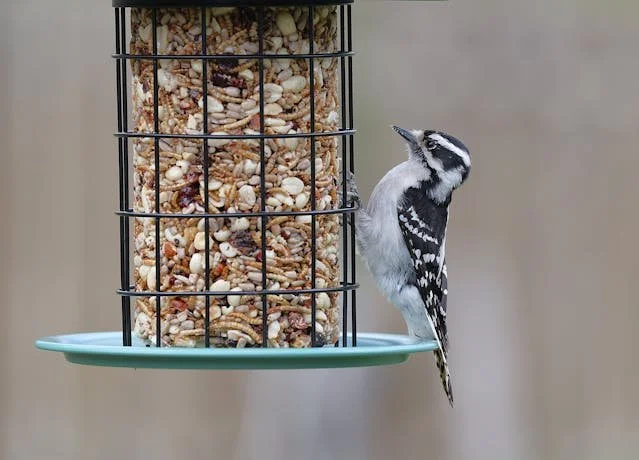
Backyard bird feeding is one of the easiest ways to bring wildlife into your daily life. A handful of seed, a simple feeder, and a little patience can turn a quiet yard into a lively gathering place of color, motion, and song.
But most birders eventually discover something surprising: not all bird seed is created equal.
Different species prefer different foods. The seed that attracts a flock of finches might be ignored by cardinals. The mix that brings chickadees and nuthatches could also attract a mob of house sparrows if you’re not careful.
And sometimes—let’s be honest—the “wrong” birds arrive in overwhelming numbers.
You put out a feeder hoping for goldfinches and titmice… and instead a dozen doves land like a squadron of “flying pigs,” vacuuming up everything in sight.
Now some argue that House Sparrows, Starlings and Doves are birds too and deserving of our attention. By all means, encourage them if that’s your point of view. There are others that prefer not to feed introduced, non-native species such as House Sparrows and Starlings as well as curtail the voracious feeding habits of large flocks of doves, cowbirds and blackbirds.
The good news is that a few simple choices in seed and feeder type can dramatically influence which birds visit your yard.
Let’s explore what different birds prefer to eat—and how to design a backyard feeding station that invites the birds you want while discouraging the ones you don’t.
The Most Important Rule of Bird Feeding
Before diving into specific seeds, here’s the biggest secret experienced birders learn:
Quality seed attracts better birds.
Cheap mixed birdseed often contains large amounts of:
Milo (sorghum)
Wheat
Cracked corn
Red millet
Most songbirds ignore these ingredients. They get tossed on the ground where they attract rodents and undesirable birds. Or the seeds rot and mold on the ground, kill the grass and create an unhealthy environment for all the birds.
Better feeders rely on single high-quality seeds instead of cheap blends. You are more in control of who visits when you limit each feeder to a single kind of seed/food. It also makes it easier on the smallest birds that don’t have to compete directly with the doves and jays.
The most reliable seeds include:
Black-oil sunflower
Nyjer (thistle)
Hulled sunflower chips
White proso millet
Peanuts
Safflower
If you start with these, you're already halfway to a great bird feeding setup.
Black-Oil Sunflower: The Universal Favorite
If you could offer only one seed, it should be black-oil sunflower.
This seed is rich in fat and protein, has a thin shell that birds can open easily, and appeals to a huge range of species.
Birds that love black-oil sunflower include:
Northern Cardinals
Chickadees
Tufted Titmice
Nuthatches
Finches
Grosbeaks
Blue Jays
Woodpeckers
House Finches
Sunflower seed is the workhorse of backyard feeding.
Tube feeders, hopper feeders, and platform feeders all work well for sunflower seed.
One small tip: sunflower seed does produce shells beneath feeders, so placing feeders over mulch or gravel can help manage the mess.
Nyjer (Thistle): The Finch Magnet
If your goal is goldfinches, Nyjer seed is the key.
Nyjer (often called thistle seed) is tiny, oily, and extremely popular with small finches.
Birds that love Nyjer include:
American Goldfinches
Pine Siskins
Lesser Goldfinches
Redpolls (in northern winters)
House Finches (sometimes)
Nyjer requires special tube feeders or mesh socks because the seeds are so small.
The beauty of Nyjer seed is that it discourages larger birds. Cardinals, jays, and doves usually ignore it.
That means fewer seed thieves and more delicate finch activity.
[Special Note: Nyjer seed is expensive and must be purchase from a reliable source providing fresh seed, not product that has been on the store shelf for 18 months. I’d start with a small bag from a feed store or similar (wild bird stores usually have fresh seed but also charge you way more than necessary - I know I managed two stores) until your finches find you. Never buy a bag that looks old or is insect infestation]
White Proso Millet: The Ground-Feeder Favorite
White proso millet is a favorite among ground-feeding birds.
Birds that prefer millet include:
Dark-eyed Juncos
Song Sparrows
White-throated Sparrows
Towhees
Mourning Doves
Millet works best when offered on:
Ground trays
Platform feeders
Low feeders
However, millet can also attract house sparrows, so it’s best used carefully.
Many birders scatter small amounts on the ground in winter when sparrows are less aggressive and native sparrows are abundant.
Peanuts: Energy for Woodpeckers and Jays
Peanuts are among the highest energy foods you can offer birds.
They are loved by:
Woodpeckers
Blue Jays
Chickadees
Titmice
Wrens
Nuthatches
Peanuts can be offered:
Whole in mesh feeders
As peanut pieces in tube feeders
Mixed into suet
One warning: peanuts can spoil if they get wet, so keep feeders dry and refill frequently. And they are expensive too. Put out smaller amounts to keep it fresh. You’re allowed to ration your offerings. My doves (at least my White-winged Doves love peanuts) can eat their weight in peanuts so I put the peanuts in a smallish hopper feeder to discourage them.
Safflower: The Cardinal Specialist
Safflower seed is a fantastic option if you want cardinals without attracting house sparrows.
Birds that enjoy safflower include:
Northern Cardinals
Chickadees
Titmice
Nuthatches
Many nuisance birds avoid safflower, including:
House Sparrows
European Starlings
Blackbirds
If house sparrows are a persistent problem in your yard, switching to safflower can make a huge difference. Give your prized birds time to get used to the new seed.
Specialty Foods That Attract Unique Birds
Backyard feeding doesn't have to stop with seed.
Offering specialty foods can bring entirely different species to your yard.
Suet for Woodpeckers
Suet is a high-fat food traditionally made from rendered beef fat and mixed with seeds or insects.
It is especially valuable in winter when birds need extra energy.
Suet attracts:
Woodpeckers
Chickadees
Nuthatches
Wrens
Creepers
Warblers
Modern suet cakes are often blended with peanuts, mealworms, or berries.
These blends can attract a wider range of birds. We don’t feed suet cakes in summer - it’s too hot here in Texas and birds will get sick if the suet goes bad. There is a year-round option so when it warms up, be sure to switch you suet.
Nectar for Hummingbirds
Hummingbird feeders are filled with simple nectar:
1 part sugar to 4 parts water
That’s it. No dye needed.
Hummingbirds are drawn to feeders by the red color of the feeder itself, not the nectar.
Clean feeders every few days in warm weather to prevent mold and fermentation.
In many regions of the U.S., hummingbirds rely on feeders as a supplemental energy source during migration.
Managing Problem Birds
Every backyard birder eventually encounters a challenge:
Too many birds.
Specifically, too many of the wrong birds.
Common feeder bullies include:
Mourning doves
Blackbirds
European starlings
House sparrows
Let’s look at ways to discourage them.
The “Flying Pigs”: Mourning Doves
Doves are charming birds—but they can arrive in large flocks and empty feeders quickly.
They prefer:
Platform feeders
Ground feeding
Millet and cracked corn
Ways to reduce dove impact:
Use tube feeders instead of platforms
Avoid large amounts of millet
Install smaller perches that doves can’t balance on
Use caged feeders that exclude larger birds
Doves will still find food on the ground which is actually beneficial, but at least they won’t drain your entire feeder.
Blackbirds and Starlings
These species travel in large flocks and can overwhelm feeders.
They are especially fond of:
Corn
Cheap seed mixes
Suet
Ways to discourage them:
Avoid corn and filler seed mixes
Use upside-down suet feeders (woodpeckers can hang; starlings cannot)
Offer safflower seed
Often the best strategy is simply better seed choices.
House Sparrows
House sparrows are an introduced species and can aggressively dominate feeders.
They prefer:
Millet
Cracked corn
Cheap seed blends
Ways to discourage them:
Switch to safflower seed
Avoid millet-heavy mixes
Use feeders designed for smaller native birds
Small adjustments in seed type can dramatically reduce sparrow numbers.
Clean Feeders = Healthy Birds
Cleanliness is one of the most overlooked parts of backyard bird feeding.
Bird feeders can spread disease if they are not maintained.
A few simple practices help protect birds:
Clean feeders every 1–2 weeks
Use hot water and mild soap or diluted bleach
Rinse thoroughly and dry before refilling
Remove wet or moldy seed
Rake or clean debris beneath feeders
If you notice sick birds, it’s wise to temporarily remove feeders for several days to break disease transmission. Clean the feeders thoroughly before putting them back out.
Healthy feeding stations benefit both birds and birders.
Designing a Backyard Feeding Strategy
Instead of offering one giant feeder, many birders find success by offering several feeding stations.
For example:
Tube feeder with sunflower seed
Nyjer feeder for finches
Suet feeder for woodpeckers
Ground tray with millet
Different birds feed at different heights and locations.
By diversifying feeders, you can attract a greater variety of species.
And that variety is what makes backyard birding so rewarding.
Frequently Asked Questions About Bird Seed
Many readers ask similar questions when they begin feeding birds. Here are a few common ones.
What is the best seed for attracting the most birds?
Black-oil sunflower seed attracts the widest range of backyard birds.
Should I buy mixed birdseed?
Cheap mixes often contain filler seeds that many birds ignore. Higher-quality mixes with sunflower, millet, and peanuts can work well.
Why do birds throw seed on the ground?
Birds often sort through seed looking for their favorites.
They discard seeds they don't want.
Another reason for feeding one seed in a feeder versus a blend. If the birds don’t want white millet, they’ll go to a different feeder instead of digging through the seed to get the sunflower seed.
How often should I refill feeders?
As needed—but avoid letting feeders sit empty for long periods once birds become regular visitors. If you’re in a rainy area, make sure your feeders are covered by domes and put out less seed so damp seed will be cleared away more quickly.
Is bread safe for birds?
Bread has very little nutritional value and should not be offered at all. It can cause blockages and make birds sick. If we filled up on bread (or potato chips, let’s say) we might have digestive problems and would get much less nutrition.
Seed, suet, insects, and natural foods for birds are far healthier.
The Real Joy of Backyard Bird Feeding
Backyard bird feeding is about more than simply scattering seed.
It’s about creating a small habitat where wildlife can thrive alongside us.
When you choose the right foods, maintain clean feeders, and design thoughtful feeding stations, something wonderful happens.
Your yard becomes a place of discovery.
You start noticing subtle differences in birds. You recognize the chickadee that visits every morning. You hear the whisper of finch wings at the Nyjer feeder.
And before long, you realize something birders have known for a long time:
Feeding birds doesn’t just help birds.
It enriches the lives of the people who watch them.
Choosing the right feeder matters just as much as the seed. In our guide to designing the perfect backyard feeding station, we explain how feeder placement influences bird activity. And check out for Rather Be Birding Essentials Amazon Store for lots of recommended options in seed and feeders.
