

What NOT to Feed Wild Birds
And What to Offer Instead
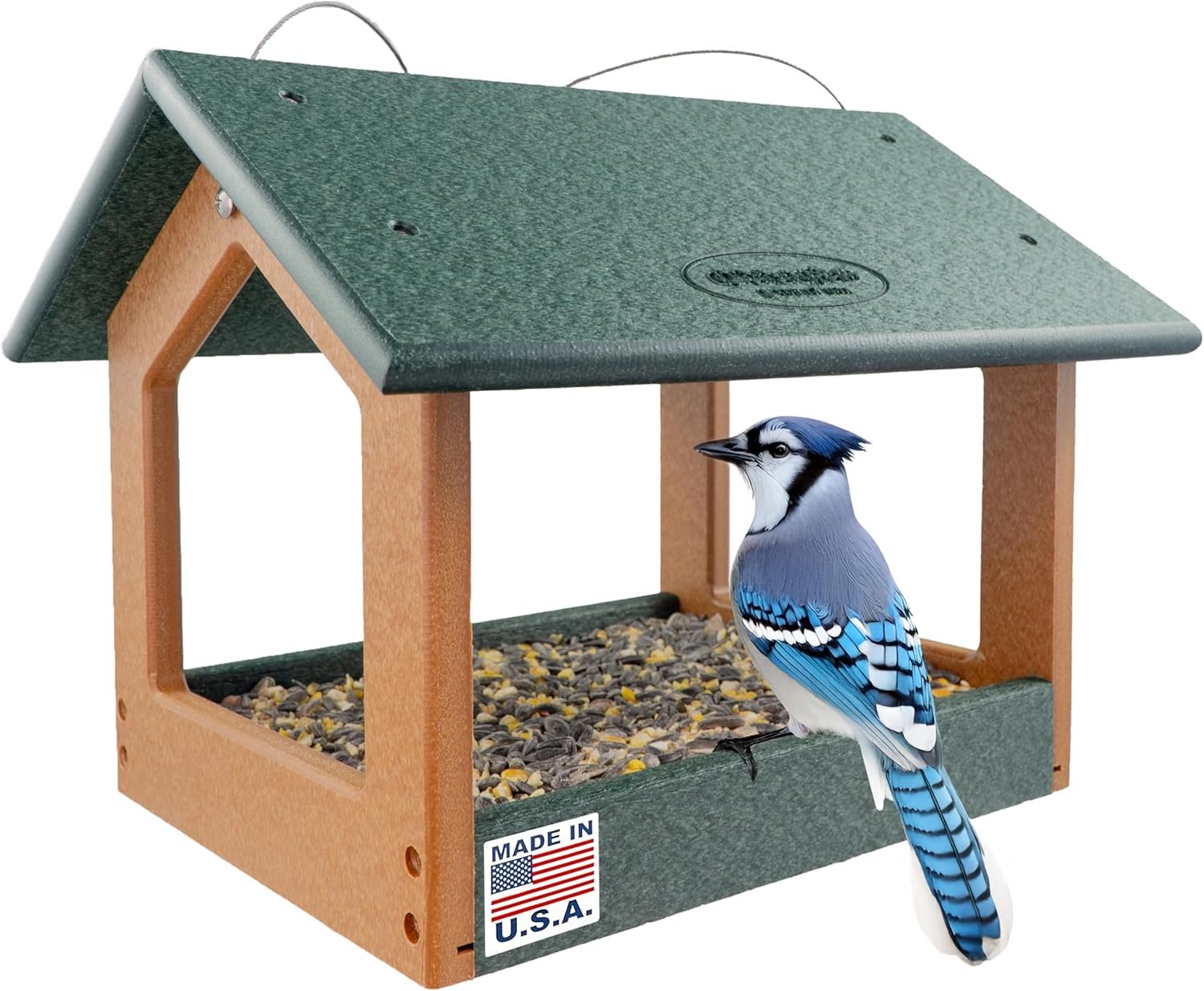
Feeding wild birds is one of the greatest joys of backyard nature-watching. A quick handful of food can bring chickadees to your porch, finches to your feeders, and even ducks to a pond near your home. But while our intentions are good, not all foods are safe—or even remotely healthy—for wild birds. In fact, some common “treats” can harm their digestion, spread disease, or encourage dangerous behaviors.
Whether you care for backyard songbirds or waterfowl like ducks and geese, knowing what not to feed is just as important as knowing what’s beneficial. Below is your complete guide to the foods birds should never eat, why processed foods are harmful, and safer alternatives to help wild birds thrive naturally.
Why the Wrong Foods Are a Problem
Birds evolved to eat insects, seeds, plant materials, nectar, and natural fats. Their digestive systems are fast, efficient, and designed for high-energy foods. When they eat things outside their natural diet—especially processed human foods—the result can include:
Poor nutrition or malnutrition
Digestive blockages
Wing deformities in waterfowl
Increased risk of disease
Rodent attraction and feeder contamination
Dependency on inconsistent human food sources
That’s why it’s important to offer foods that align with what birds are built to eat—and avoid foods that do more harm than good.
Foods You Should Never Feed Wild Birds
1. Bread, Crackers, Chips & Other Processed Carbs
Bread—even whole-grain bread—is essentially empty calories for birds. Ducks, geese, pigeons, and backyard birds can fill up quickly on bread without receiving the proteins, fats, and nutrients they need.
Feeding bread can cause:
Angel Wing in ducks and geese (a wing-deforming disease caused by malnutrition)
Digestive issues
Harmful bacteria growth when wet bread rots
Overcrowding & aggression at feeding areas
Crackers, chips, pretzels, cookies, and cereals are equally harmful because of added salt, sugar, dyes, and preservatives.
Better alternatives for waterfowl:
Cracked corn
Oats (uncooked)
Chopped greens
Birdseed
Peas or corn (fresh or thawed, never canned)
2. Popcorn (especially buttered, salted, or microwave popcorn)
Plain, air-popped popcorn isn’t toxic, but it’s not nutritious and provides nothing birds can use for energy or health. And anything with butter, salt, flavorings, or oils is unsafe.
Best to avoid it altogether—birds have far better options.
3. Leftovers and Table Scraps
Feeding birds leftover pasta, meat scraps, casseroles, fruit soaked in syrup, or anything processed introduces risks such as:
High salt and sugar levels
Artificial ingredients
Grease and oils that mat feathers
Spoilage and rot that grows bacteria
Even “healthy” leftovers like fruit salad may include ingredients unsafe for birds, such as grapes or apple seeds.
If it came from your refrigerator, it does NOT belong in nature.
4. Moldy Seed, Bread, or Food of Any Kind
Mold is extremely dangerous for birds. Spoiled seed, wet suet, or bread that has turned soft and gray can cause aspergillosis, a fungal infection that is often fatal.
Mold can grow quickly in:
Cheap seed mixes with high dust content
Seed that sits on the ground
Bread or crackers tossed outdoors
Wet seed left in feeders during rain
If you wouldn’t eat it, don’t feed it to wildlife.
5. Cheap Birdseed Mixes with Filler Seeds
This is one of the most overlooked dangers—even among dedicated bird feeding fans.
Many bargain seed mixes at big-box stores contain large amounts of filler seeds such as:
Milo
Wheat
Oats
“Red millet”
Canary or Rape seed
Generic grains birds don’t like and won’t eat
Because birds toss these seeds to the ground, they:
Rot and grow mold
Attract rats and mice
Create waste piles under feeders
Increase disease risk at crowded feeding areas
When those filler seeds get wet, they can ferment and cause illness.
Invest in quality seed such as:
Black oil sunflower
Nyjer (thistle)
Safflower
High-quality blends with NO milo
A bag that costs a little more almost always leads to cleaner feeding areas, healthier birds, and fewer rodents. Some blends are “waste-free” meaning the seeds are already shelled so there is nothing to clean up.
6. Human Snacks, Pet Food, and Junk Food
Birds should never eat:
French fries (common at parks—harmful!)
Lunch meat
Pizza crust
Dog or cat kibble
Sugary or salty snacks
Fast food of any kind
These foods can cause obesity, liver stress, dehydration, and digestive issues. They also encourage birds—especially gulls, ducks, and geese—to gather in large flocks, raising disease and injury risks.
7. Milk or Dairy Products
Birds cannot digest lactose, so avoid feeding:
Milk
Cheese
Ice cream
Yogurt
8. Raw Beans or Uncooked Rice
Raw beans contain lectins that are toxic to birds. Cooked beans are technically safe, but they spoil extremely quickly and can harbor bacteria—so they’re best avoided.
Uncooked rice is not harmful (that’s a myth), and birds don’t eat it but mice and rats do!
What to Feed Instead: Healthy, Safe Options
Now for the good news: there are excellent foods you can offer that support wild birds’ natural diets and seasonal needs.
For Backyard Songbirds
Black oil sunflower seed – beloved by most species
Nyjer seed – for finches
Safflower seed – good for cardinals and discourages squirrels
Shelled or in-shell peanuts – high-energy winter food
Suet – essential for chickadees, nuthatches, woodpeckers
Mealworms (live or dried) – perfect for bluebirds and wrens
Fresh fruit slices – apples, oranges, berries (small amounts)
For Waterfowl (ducks, geese, swans)
Offer only occasionally and in small amounts:
Cracked corn
Chopped lettuce, kale, and greens
Peas or corn (thawed, not canned)
Oats
Duck pellets (formulated for nutrition)
Backyard ponds and parks stay cleaner when people avoid bread and switch to natural foods instead.
Why “Natural” Food Is Always Best
Wild birds are healthiest when their diets match what they instinctively seek:
Insects (protein for nestlings and migration)
Native berries
Natural seeds from grasses and flowers
Tree nuts and acorns
To support natural feeding, try:
Planting native shrubs
Leaving perennials standing through winter
Avoiding pesticides
Providing clean water
Your feeders then become a supplement, not the primary source of food.
The Hidden Dangers of Feeding the Wrong Foods
Feeding unsafe foods doesn’t just affect one bird—it affects entire populations. Here’s what can happen:
1. Overcrowding & Disease Spread
When unhealthy food is abundant (like bread at duck ponds), large flocks gather, increasing the spread of avian influenza, botulism, and parasites.
2. Rodent and Raccoon Problems
Cheap seed mixes and human food scraps encourage pests. Once rodents find a steady food source, they don’t leave.
3. Habitat Damage
Waterfowl attracted by bread often trample vegetation around ponds and shorelines.
4. Malnutrition
Birds filling up on the wrong foods may fail to migrate properly, survive winter, or raise healthy young.
Your feeding choices have real consequences—for better or worse.
Keep Feeders Clean and Food Fresh
Even the best foods can be dangerous if they’re old, wet, or contaminated.
Follow these guidelines:
Clean feeders every 2 weeks (more often during wet weather)
Allow feeders to dry completely before refilling
Toss out seed that's clumped, musty, or damp
Rake up shells and waste under feeders
Use trays or baffles to reduce ground waste
Store seed in airtight containers to prevent moisture
Clean feeding stations = healthier birds.
Final Thoughts: Feed Wild Birds With Care
Feeding birds is one of the simplest ways to connect with nature, and when done responsibly, it’s a gift to both wildlife and your own backyard.
By avoiding processed foods, cheap seed mixes, and unhealthy human snacks, you ensure birds get the nutrition they need—not empty calories or dangerous fillers.
Choose high-quality foods, plant native species, and keep feeders clean. Your feathered visitors will reward you with vibrant plumage, lively behavior, and year-round beauty.
If you focus on natural foods, clean feeders, and eliminating low-quality mixes, your backyard becomes a safe sanctuary where birds can feed, rest, and thrive.
