

How We Can Help Keep Our Smallest Falcon Common
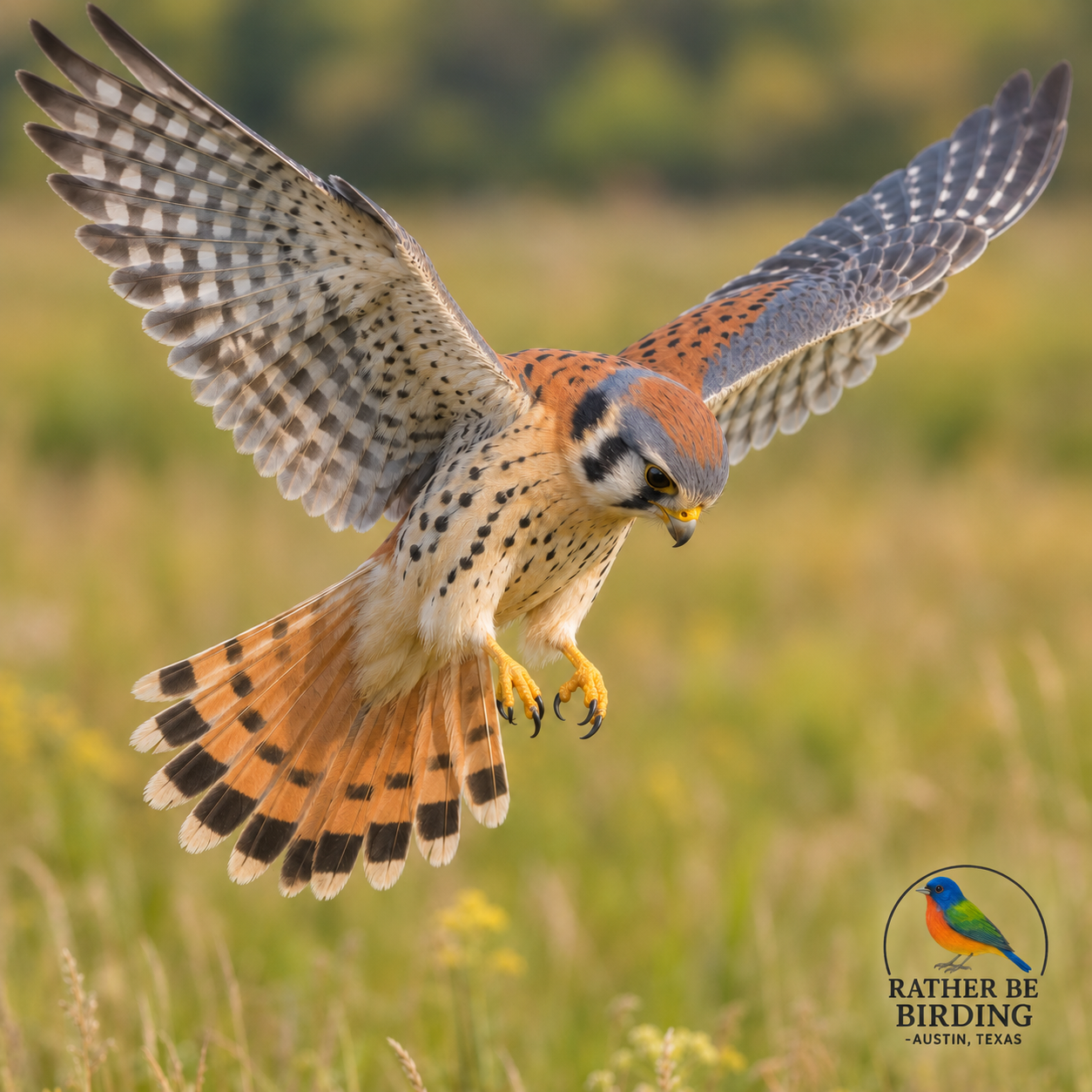
A small shape hovers over a roadside field, wings beating rapidly as it studies the grass below. Then it drops, lifts again, and settles on a wire with its long tail twitching. The American Kestrel is North America’s smallest falcon, but there is nothing timid about it. This bright, watchful hunter has learned to live alongside us—in pastures, open country, orchards, city edges, and even suburban neighborhoods.
For many people, a kestrel is the first falcon they really get to know. You don’t need a remote wilderness or a long hike to see one. A drive past open fields may bring a flash of rusty red, blue-gray, and black. If you pause to watch, you may see a bird weighing only a few ounces scan the ground, hover in place, and make a precise strike. It is a little falcon with the focus and confidence of a much larger predator.
That familiar presence is changing. American Kestrels have declined across much of North America for decades. They remain widespread, and the species is not currently considered globally threatened, but “still common” is not the same as “doing fine.” The decline is a warning—and an opportunity. Researchers, conservation groups, landowners, and community scientists are working to understand what is happening while there is still time to respond.
A familiar bird with an unsettling trend
The numbers depend on which datasets and time periods scientists analyze. The North American Breeding Bird Survey indicates a long-term decline of roughly 50 percent since the 1960s. A 2026 continental-scale U.S. Geological Survey analysis found an estimated 29 percent decline from 1986 to 2019, with population size falling about 1 to 2 percent per year during that period. Those estimates are not contradictory: they measure different spans and draw on different combinations of survey and demographic data. Together, they show a sustained, serious loss that deserves attention.
The reason is not yet a single, neatly solved problem. The Peregrine Fund’s current American Kestrel Project describes a likely mix of pressures that may affect regions differently. Research points to questions about prey, survival, pesticides and rodenticides, habitat change, predation, and the availability of safe nesting places. The recent USGS model found declines in some survival rates and identified reduced arthropod prey, second-generation rodenticides, neonicotinoid insecticides, and predation as possible contributors—not as a final answer.
That distinction matters. A nest box can offer a cavity to a pair of kestrels, but a box alone cannot restore prey, make a hazardous landscape safe, or explain why a population is declining. Good conservation begins with careful observation and sound data, then connects that information to the right changes in habitat and management.
What The Peregrine Fund and the American Kestrel Partnership have built
The Peregrine Fund launched the American Kestrel Partnership (AKP) in 2012 to bring professional researchers and community scientists into a shared effort. Over twelve breeding seasons, the partnership’s network collected more than 60,000 observations from over 5,200 nest boxes and other cavities in the United States, Canada, and several other countries. Those records helped scientists study nest timing, breeding success, and other pieces of kestrel life that are difficult to understand from roadside sightings alone.
The AKP has changed shape, so anyone looking for its old data-entry website should know where the work moved. In the winter of 2023–2024, its community-science nest-monitoring program merged with Cornell Lab of Ornithology’s NestWatch. The old AKP website is no longer active. Kestrel nest observations now belong in NestWatch, while The Peregrine Fund continues its broader research partnerships, including work on winter survival and kestrel movements with the University of North Texas and other collaborators.
This is a useful example of conservation evolving. The AKP did not disappear as a conservation idea; its community data collection moved into NestWatch, and research continues under The Peregrine Fund and partner institutions. The observations gathered by volunteers have helped build the long-term information base scientists need to ask better questions.
Why nest boxes help—and why they are not the whole answer
American Kestrels are cavity nesters. They use natural hollows in trees, abandoned woodpecker holes, and sometimes cavities in human structures. When old trees, snags, and suitable open habitat disappear, nesting options can shrink. In the right landscape, a properly designed and maintained nest box can replace one missing cavity and provide a place to raise young.
But a box is not a universal invitation. Kestrels need open hunting ground nearby, appropriate perches, and a landscape that can support them. A box installed in a place that lacks those needs may sit empty, attract another species, or create a misleading impression that a population is doing well. NestWatch provides species-specific guidance on box construction, placement, spacing, and monitoring. For kestrels, its guidance describes open habitats such as fields, pastures, meadows, and orchards, with boxes generally mounted 10–30 feet high and spaced about a half-mile apart. Local habitat and project advice should guide any installation.
A box also creates a responsibility. Nest monitoring requires training, a consistent schedule, careful records, and respect for the birds. A quick look at a nest is not worth causing repeated disturbance. If a local project already has boxes and trained monitors, joining that program may be more useful than adding a new box without support.
How citizens can help
You do not need a nest box or a research degree to make a useful contribution. Kestrel conservation needs both people who collect data and people who make the landscape safer.
1. Join NestWatch and share reliable nesting data
If you already monitor a kestrel box—or have records from previous seasons—submit your observations to Cornell Lab of Ornithology’s NestWatch. Participation is free. New participants read the Code of Conduct, complete a short certification quiz, find a nest to monitor, and record visits and outcomes online or through the mobile app. The process helps make sure volunteers understand how to observe without putting nests at risk.
Old, unsubmitted records can matter too. NestWatch has specifically asked participants to submit historical kestrel nest observations that have not already been contributed elsewhere. If your data were already submitted to the former AKP or another program, don’t enter the same records again. For participation questions, contact NestWatch at nestwatch@cornell.edu.
Good data are more than a tally of occupied boxes. Dates, the number of visits, whether eggs or young were present, and the outcome of a nesting attempt can help researchers distinguish a successful fledging from an abandoned or failed nest. Follow the protocol, be honest about what you saw, and leave uncertain fields blank rather than guessing.
2. Find a local nest-box or monitoring project
Search for kestrel monitoring programs through your state wildlife agency, university extension service, land trust, Audubon chapter, nature center, or local raptor organization. The Peregrine Fund’s American Kestrel Project page also describes current research and directs people toward ways to help. In some regions, established projects need volunteers to check boxes, maintain equipment, or organize records. A local coordinator can tell you whether the habitat is suitable, whether boxes are already installed, and when monitoring should begin.
If you are in Idaho or near a university-led program, check the current details of Boise State University’s kestrel nest-box monitoring work; The Peregrine Fund notes that this program transitioned to Boise State after the 2024 breeding season. Program openings and protocols can change, so contact the project before installing or checking boxes independently.
3. Protect the places kestrels hunt
Kestrels need open land, but open does not mean empty or lifeless. Healthy grasslands, pastures, field edges, orchards, and other working landscapes can offer both hunting opportunities and prey. Support local land trusts and conservation groups that protect open habitat. If you manage land, consider whether standing dead trees and natural cavities can safely remain, whether field edges and perches can be retained, and whether mowing or grazing schedules leave enough habitat for prey.
For home landscapes, reduce unnecessary pesticide use and avoid routine rodenticide use where safer prevention and control options are available. Insecticides can reduce insects and other prey; rodenticides can expose predators that eat poisoned rodents. Ask a licensed, wildlife-aware pest professional about prevention-first approaches, and follow product labels and local public-health guidance. No single household choice will reverse a continent-wide trend, but the cumulative effect of many safer decisions can help protect the food web kestrels rely on.
4. Report what you observe
When you see a kestrel, take a moment to note the date, location, habitat, and what the bird was doing. Submit bird observations to eBird, Cornell Lab of Ornithology’s community-science platform, especially when you can identify the bird confidently. A single sighting does not diagnose a population trend, but many observations collected consistently can help show where birds are present and how their distribution changes.
If you see a banded kestrel or a bird carrying a transmitter, do not approach or attempt to capture it. Note the band color and code or photograph the bird from a respectful distance, then report the details through the relevant bird-banding or research reporting channel. The Peregrine Fund’s American Kestrel Project can help direct questions about its research. Never publish exact nest locations if doing so could expose a nest to disturbance.
5. Help people notice kestrels
Teach a child to recognize the hovering flight. Tell a neighbor why a snag matters. Invite a friend to watch a roadside field for ten quiet minutes. Share a reputable kestrel resource or support a local conservation project. The more people who know this bird as an individual—rather than just a small shape on a wire—the more likely they are to care about the habitat and decisions that affect it.
The Peregrine Fund also welcomes public support for its raptor research and conservation work. Donations, educational outreach, and sharing its science help sustain the long effort to understand kestrel declines. If you are a photographer with kestrel images to share, the Fund’s AKP transition page lists photoshare@peregrinefund.org for submissions.
Whom should you contact?
For nest monitoring instructions, data submission, and questions about the former AKP community-science program, contact Cornell Lab of Ornithology’s NestWatch at nestwatch@cornell.edu. The active program and the official kestrel box guidance are on NestWatch’s website.
For general kestrel information, current research, conservation support, or questions about The Peregrine Fund’s projects, begin with The Peregrine Fund’s American Kestrel Project page. For a local box project, contact your state wildlife agency, university, land trust, Audubon chapter, or raptor center and ask who coordinates kestrel monitoring in your county or region. Ask before installing a box: local experts can help you avoid poor placement and connect you with a project whose data will be useful.
Why it is worth the effort
The American Kestrel is worth protecting because it is a beautiful, capable bird—and because its story connects us to the health of ordinary places. A kestrel needs open ground, living prey, safe nest cavities, and enough survival through the year to raise the next generation. Those needs link farms, roadsides, parks, and backyards to the larger web of life.
It is also worth acting before a familiar bird becomes rare. The kestrel remains widespread, and scientists are still working to pinpoint the causes of decline. That gives us a valuable window: gather better information, protect good habitat, reduce avoidable hazards, and adjust our response as the evidence improves. Conservation is most effective when we pay attention early, while there is still room to change course.
There is a special kind of hope in the kestrel’s hover. The bird holds itself in place against the wind, eyes fixed on a patch of ground most of us would walk past without noticing. We can borrow that attention. Watch closely. Record carefully. Make the places we share safer. Then help the next person see what is at stake.
Skill Builder: A ten-minute kestrel watch
Choose a safe place beside an open field, pasture, or meadow. From your car or another comfortable viewing spot, watch for ten minutes. Note the weather, habitat, perches, prey activity, and any kestrels you see. Record what the bird does—hover, perch, hunt, call, or fly through—without guessing at details you cannot confirm. If you use eBird, submit the observation with an accurate location and checklist. One short watch will not solve the mystery, but it will sharpen your attention and make you part of a wider record of people noticing kestrels.
Take the next step
Start with one action: submit any unreported kestrel nest records to NestWatch, ask a local conservation group about monitoring, reduce pesticide use around your home, or learn the kestrel’s call and watch a field near you. Keep the effort practical and steady. The work to bring kestrels back depends on research, habitat, and people who are willing to notice—and to act on what they notice. If you would like to make that effort more tangible, a carefully built kestrel nest box can add a nesting cavity where suitable habitat exists—and, when it is part of a well-planned project, give you a chance to support monitoring that helps researchers learn. In Part 2, we’ll walk through nest-box construction, placement, and monitoring, with a downloadable lead magnet that includes the construction plans.
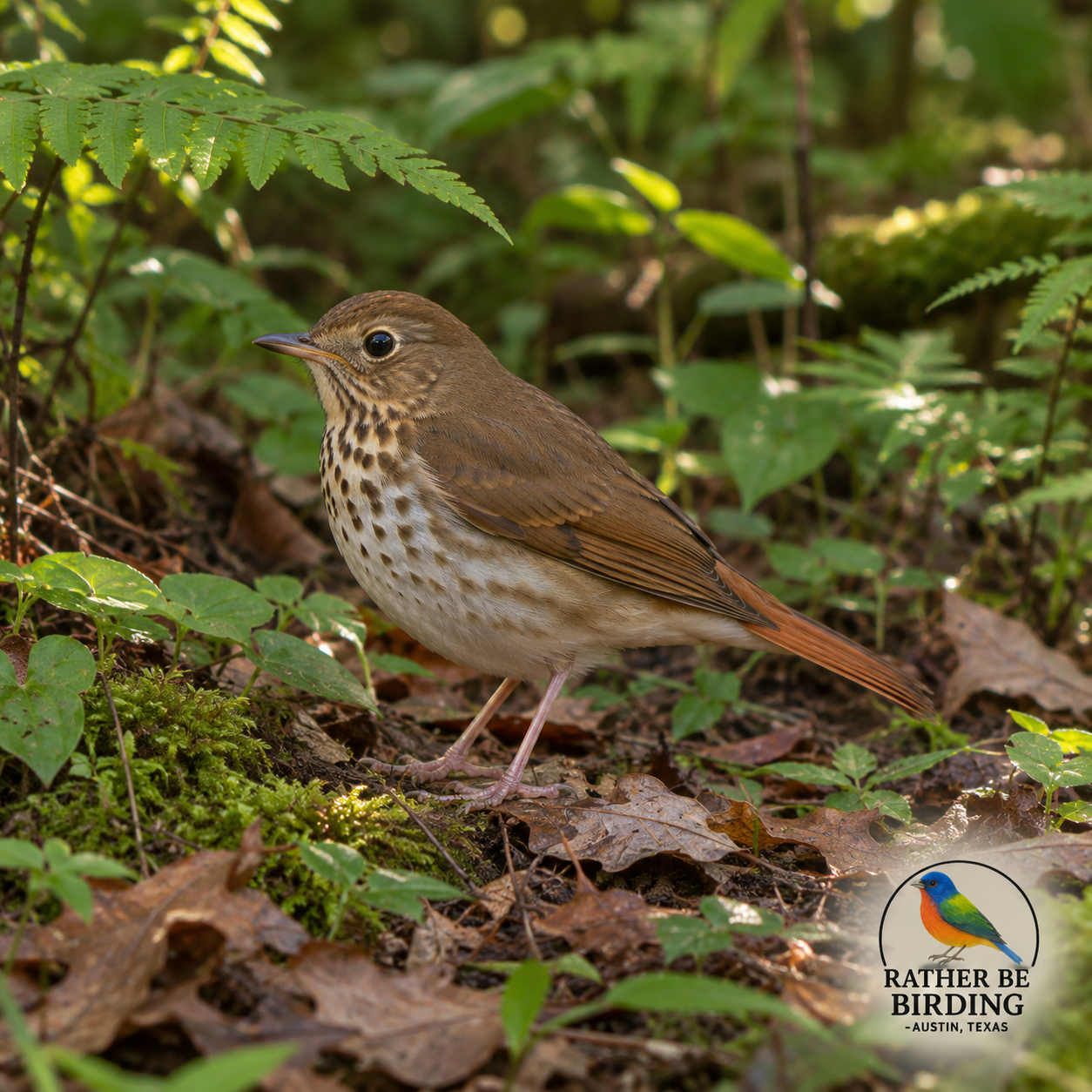

An oak is more than a source of acorns. It leaves feed caterpillars for nestlings, its bark and branches offer food and shelter, and its fallen leaves keep a busy world beneath the tree. Learn how birds use oaks, how long they take to grow, and which native oaks to consider in your region.