

Choosing or Starting a Bird Club
Birding can be a quiet pleasure on your own: watching a feeder, following a trail at your pace, or lingering beside a pond. It can also open a door to other people. A club can help you learn local birds, discover places to go, and meet people who understand why a warbler can make an ordinary Tuesday memorable.
The word club may suggest dues, officers, formal meetings, and people who know every bird by call. Some groups look that way; others are a few neighbors meeting at a park before work. The question is whether the group helps you enjoy birds, learn, and participate in ways that matter to you. The bird clubs I have joined and the ones I’ve begun have never required dues, are open to the public, and focused on enjoying each other’s company as much as learning the area’s birds.
Start with the kind of birding you want
Before searching, think about what you hope to find. Maybe you want someone to help you use binoculars or sort out confusing sparrows. Maybe you want a relaxed walk with other beginners, a monthly speaker, a place to share sightings, or a way to contribute to bird counts and habitat projects. You might want to bird with people near your age, find outings that do not require a long hike, or simply have company on a weekday morning.
You do not need a long-term goal. One preference is enough: “a short, friendly walk where people explain what they see” is a useful place to start.
Where to look for a bird club
Search for “bird club,” “birding group,” “birding walks,” or “ornithological society” with your town or region. Look beyond those phrases, too: many Audubon chapters have at least one dedicated bird club (if not several), bird alliances, naturalist societies, or nature center friends. The American Birding Association’s directory of birding clubs and organizations lists local and regional groups and state or provincial organizations in the United States and Canada. The Audubon events page can help you find nearby walks, programs, and volunteer activities.
Check a club’s calendar, visitor information, and contact details online. If the calendar looks old, send a short message; a small organization may simply have a volunteer updating it when time allows.
Ask nature center, library, park, birding store, native nursery, or refuge staff. A birder you meet on a trail, Facebook community group, neighborhood list, college, or conservation nonprofit may point you to informal outings missing from club directories.
Search event platforms, too. Meetup hosts local interest groups, including bird walks, and may surface a newer or informal group that a traditional directory misses. The platform currently requires organizers to have a paid organizer subscription, so check the current terms before choosing it to run a group. An event listing is a lead, not a guarantee: confirm the date and details with the organizer before you go.
If no group is nearby, consider a regional club or nature center walk. Or invite one or two people to a local park. A community does not need a constitution to begin.
This also applies to bird clubs when you travel. Most field trips happen on weekends but it’s a great opportunity if your schedule permits to have “locals” show you the best secret spots to go birding in an unfamiliar area to you or in a hotspot.
Judge a club by what happens there
A polished website cannot tell you everything about a group. Attend one event as a guest if you can. You are visiting, not signing a contract. Watch how people welcome newcomers and how they handle the birds, the route, and one another.
Do members introduce themselves? Do they have a buddy system so newbies get extra attention? Does someone tell first-timers where to meet and what the outing will be like? Are questions treated as part of the walk, or as a delay? You do not need a club where every member is a natural teacher. But a group should make room for people who are still learning.
I once participated in a field trip led, unfortunately, by a ego-influenced competitive birder who was much more interested in making sure we all knew how much he knew over our enjoying the experience and actually learning to be better birders. I left after the first 10 minutes and birded elsewhere. It wasn’t a good fit for me.
Listen to how leaders identify birds. A useful field trip gives you time to get binoculars on the bird and hear the clues: shape, size, behavior, habitat, voice, or a field mark. The leader might say, “That is a vireo; notice the bill and the way it moves through the leaves,” rather than only announce a name and move on. A great leader will then make sure everyone has seen it - especially the new birders by asking the question out loud. Speak up if you’ve missed the sighting or you’ll only have yourself to blame.
A club can make birding more enjoyable by sharing both the bird and the thinking behind the identification. Focus on Family. Then Species. You can learn a great deal by first seeing what a bird has in common with its relatives, then noticing what sets this species apart.
Pay attention to the group’s pace and size. Is it easy to hear the leader? Do people pause long enough for everyone to find the bird? Does the outing stay near a parking area, or cover several miles? A large club may offer many trips and excellent speakers, while a small group may feel more conversational and flexible. Neither size tells you whether you will fit. Notice what the actual experience feels like.
Look at the calendar over several months, not only one event. Does the group offer different ways to participate—short walks, indoor talks, backyard birding, identification practice, bird counts, or habitat work? Do they visit different locations with different types of terrain and expected birds. A club may be a good fit even if you do not enjoy every activity. You are allowed to attend only the events that suit you.
Also notice the group’s culture around rare birds, locations, and ethics. This is important. If the leaders or participants, ignore bird safety, use excessive bird recordings to entice or harass the birds encountered, this is not a good group. Bird safety and protection must be the most important consideration. Harassed birds may not migrate on schedule or may be too disturbed to nest in their territory. A good sighting is never worth harming the birds we love. Good birding welcomes curiosity while respecting private property, sensitive nesting areas, and the needs of birds. A group should be willing to remind people to give wildlife space and to follow local rules.
Ask before you show up.
It is perfectly reasonable show up to interview a club leader or member before attending. A brief email or phone call can answer the practical questions that make a first outing feel manageable. You can ask:
Are visitors welcome, and should I register first?
Is this event suitable for someone who is new to the club or to birding?
How long will it last, how far will we walk, and what is the terrain like?
What is the usual pace, distance, and terrain? Are there places to sit or a way to leave early?
Where exactly should I meet the group, and who should I look for?
What should I bring? Can I borrow binoculars if needed?
How large is the group, and will the leader help people find and identify birds?
Are there other options, such as a short walk or indoor program?
Is there a guest fee or membership requirement?
You do not have to ask every question. Pick the ones that matter for this event. If you are concerned about mobility, hearing, vision, stamina, restroom access, transportation, or an unfamiliar social setting, say so plainly. For example: “I can walk about half a mile on level ground, but I need to know whether there are benches.” Or: “I am new and may need help finding birds in the scope.” A considerate leader can tell you whether this particular outing is a good match and suggest another one if it is not.
If you are worried about not knowing enough, say, “I’m learning and would love to hear how you identify the birds.” If you are worried about holding the group up, ask whether the trip has a flexible pace or whether you could join for part of it. Good information before the trip helps the leader plan and lets you decide with confidence.
Try one field trip
For a first visit, choose an outing that sounds comfortable rather than impressive. A short walk in a familiar park, wetland, or nature center can be a better introduction than a dawn departure for a rare bird several hours away. Common birds give you room to practice noticing. You can compare a chickadee’s compact shape with a nuthatch’s headfirst movement, or listen for the difference between a bird calling from the canopy and one working low in the shrubs.
Check the meeting location carefully. “The park” may have several entrances and parking lots. We had to be careful not to talk in slang when referring to location. Often, our bird club use to go to “Mary’s Lake” for our Tuesday morning bird trips. Now Mary’s Lake cannot be found with that name on a map. It’s the lake out behind Mary’s house - one of our members. Field trip leaders must be aware of using a common wording and avoiding secret language. Arrive a few minutes early, introduce yourself to the leader, and mention anything you asked about in advance. Bring water, weather-appropriate layers, and shoes suited to the route. Bring binoculars if you have them; otherwise, ask beforehand whether a loaner is available.
On the walk, speak up if you have not found the bird. In a large group, the leader may assume everyone has seen it. A simple “Could you point out where it is?” is enough. Check out some of our beginning birder blog posts to give you some advance content - like the “Clock Face” article.You can also ask the leader to repeat the clue or describe the bird’s movement. You do not have to identify every species, keep up with every conversation, or pretend you saw a bird you missed.
Afterward, take a moment to think about the experience. Did you feel welcomed? Could you hear and see? Was the pace comfortable? Did you learn something? Would a different kind of event suit you better? One outing is useful evidence, not a permanent verdict. Weather, a crowded trail, or an unusually large group can shape a single day. Go out with them again if the club otherwise appeals to you. Bottom line: DID YOU ENJOY YOURSELF?
Starting a small Tuesday morning birding club
Sometimes the group you want does not exist yet. That is a good reason to try a small beginning. You do not need to form a nonprofit, elect officers, or build a yearlong calendar before you invite people to bird.
Start with a clear, modest promise: “A friendly Tuesday morning bird walk for people who want to notice more birds and enjoy a local park together. Beginners welcome. We walk about a mile on mostly level paths and stop often.” Tell people who the group is for and what the walk will be like. It’s perfectly okay - and even encouraged - to let people know your own level of expertise especially if you’re going to act as a “leader” of the walk. “I’m a beginning birder and looking to enjoy a monthly leisurely walk to see local birds.”
Choose a repeatable time and public location. Tuesday at 8:30 a.m. may work for people with weekday flexibility. In hot weather, meet earlier; in winter, wait for daylight. Pick a site with parking, a short loop, and a way to end early. Check whether the park requires a permit or approval for recurring gatherings.
Keep the first outing simple: one location, one hour, and a clear end time. Say whether people may join late or leave early. Make binoculars optional if you can lend a pair, and tell participants what to bring. Set expectations about dogs and quiet observation.
You do not need to teach every outing. Tell people you will observe together, share the clues you know, and look up unfamiliar ones later. If you use eBird, participants should submit checklists from their own accounts. Cornell Lab’s guidance explains how to share checklists and manage a group account responsibly.
Publish the meeting point, route length, surface, and a contact method for day-of changes. Keep the group together at road crossings and avoid sharing sensitive nest locations. Ask before photographing people, and choose a route that can accommodate a slower pace or rest stops.
Where to spread the word
Start where local people already look. Ask a library, nature center, park department, birding store, native plant society, neighborhood association, or conservation group to share an event notice. A local Audubon chapter or club may post your walk, and neighborhood Facebook groups, email lists, bulletin boards, and newsletters can reach people who are not searching for “birding club.”
Meetup can help people discover an ongoing group and RSVP to individual walks. Its current organizer setup includes a subscription, and new groups go through a review process; read the current Meetup organizer guidance before you build the group around it. If you use Meetup, publish a first event promptly, give the group a human description, and state the pace, location, and skill level plainly.
A simple webpage or social page can serve as the group’s home base. Keep the next event, directions, contact details, and expectations easy to find. A sign-up form can help estimate attendance, but keep joining easy.
Word of mouth still matters. Invite a friend to bring someone, ask club leaders about people looking for weekday birding, and post a flyer where curious people gather. “Walk slowly, watch birds, ask questions” may sound more inviting to newcomers than a promise to find 40 species. “Bring a friend” and “Join us 4 weeks for the next walk” are great ways to expand your group.
Let the club grow at the pace of its people
A bird club can be a decades-old organization or three people meeting before breakfast. It can help you learn, give you company, and connect your attention to citizen science and conservation. The best first step is small: find one event, ask a leader a few questions, or invite someone to join you on Tuesday morning.
You do not have to know every bird before you join a group. You do not need a perfect calendar before you start one. You need curiosity, a clear plan, and enough kindness to help the next person see what you see. That is how a flock begins.
Skill Builders
Interview a club: Contact one local group and ask how its field trips work for beginners, what the walking pace is, and whether visitors may try one event.
Choose a first outing: Find a short, public walk and set one goal: notice a bird’s shape, listen for one call, or learn one family clue.
Test a Tuesday walk: Invite two people to a one-hour local walk. Afterward, ask what made the outing comfortable and what would make them come again.
Share the welcome: If a newcomer joins your next walk, introduce yourself and help them get a good look before the group moves on.
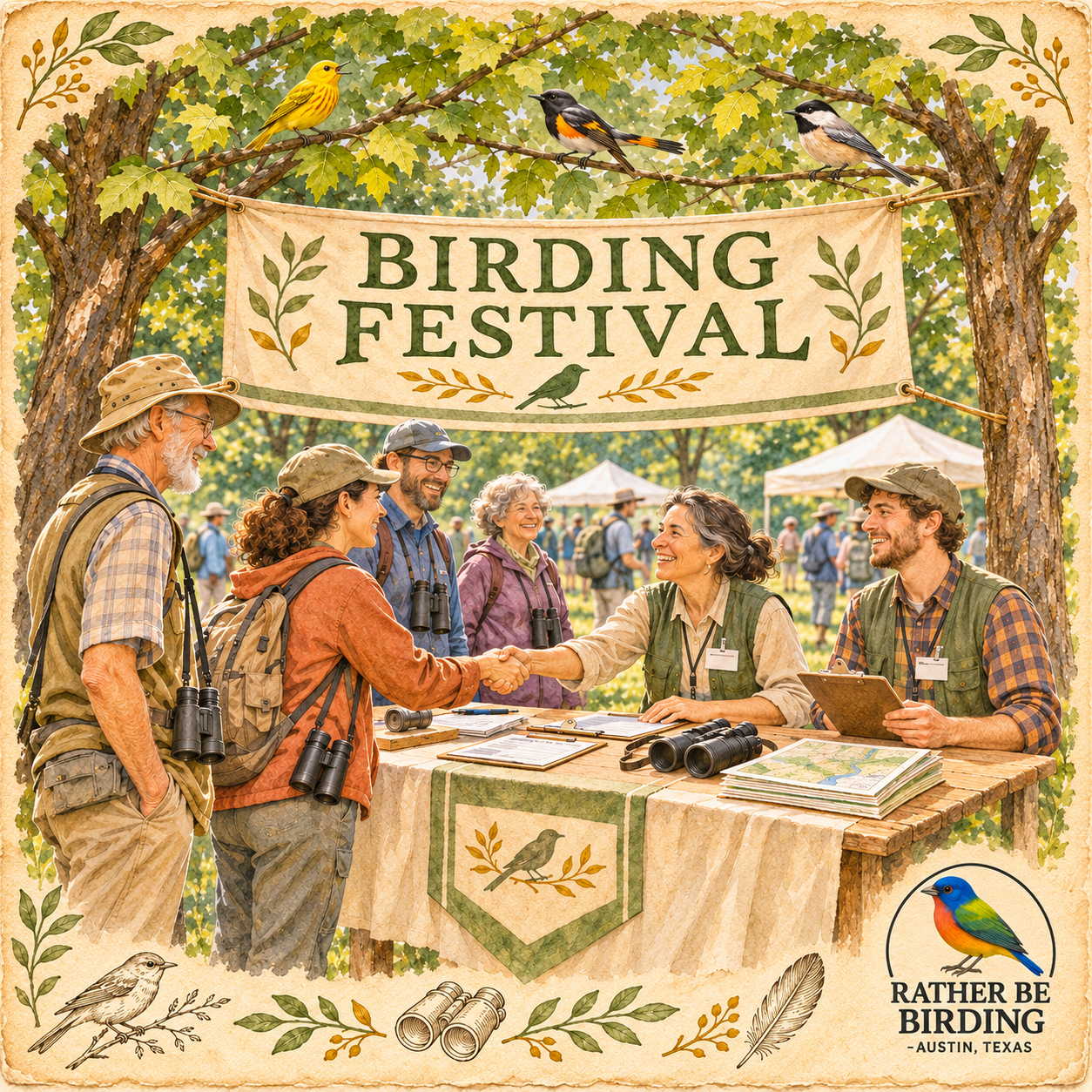
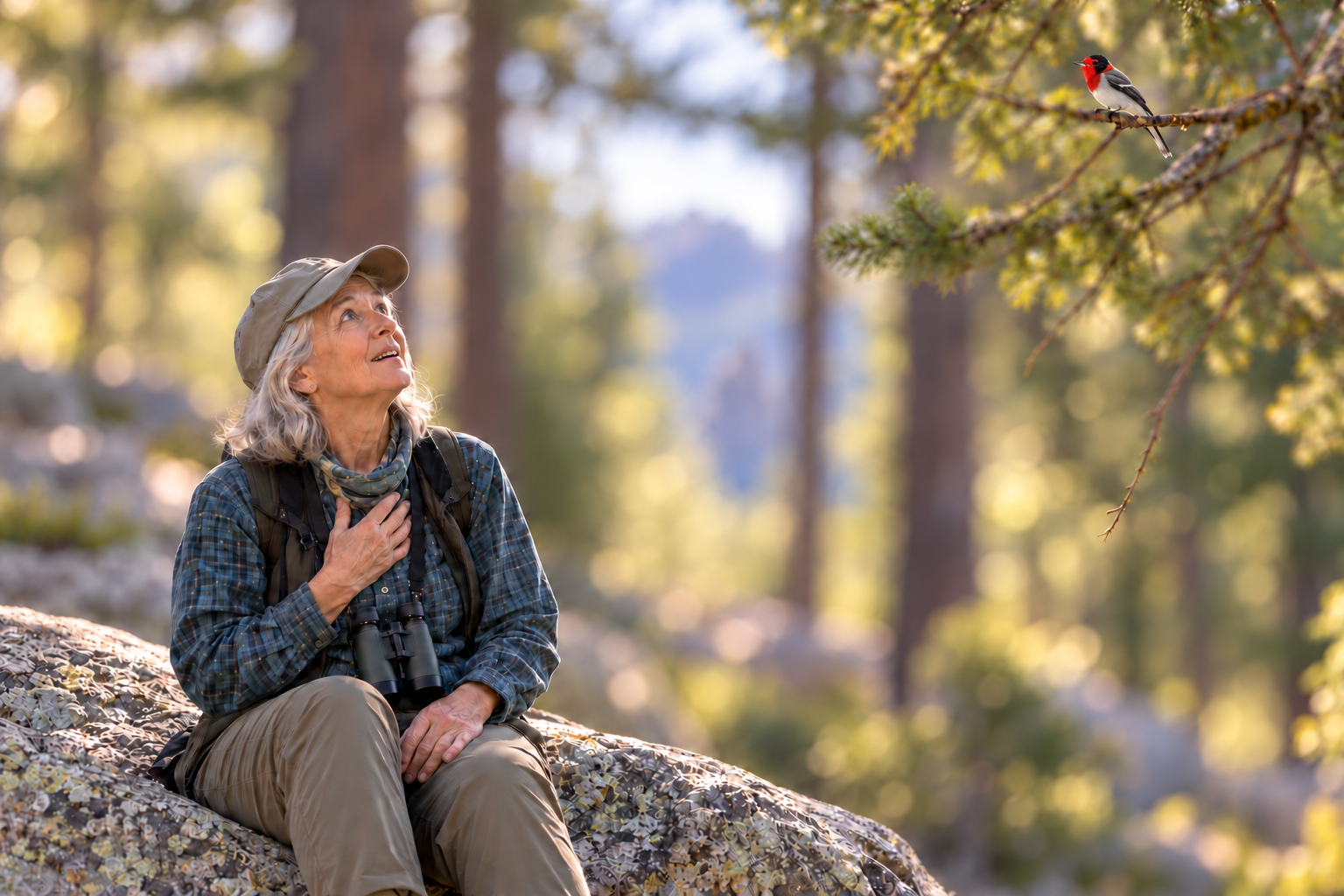

Want to bird with other people but aren’t sure where to start? Learn how to find a local bird club, choose a welcoming field trip, ask leaders the right questions, or start a relaxed Tuesday morning group of your own.