

Small Actions That Make a Difference
Birding gives us a great deal. A quiet morning with a warbler in the treetops. A hawk circling above the road. The first House Finch at the new feeder. The unexpected joy of a bird we have never seen before.
Over time, many of us begin to ask a different question: How can I give something back?
The answer does not have to be grand. You do not need a large property, a biology degree, or a heroic amount of free time. Birds need safe places to live, food and water, healthy habitat, and people willing to notice what is happening around them. There are ways to help from an apartment balcony, a kitchen window, a local park, or a community meeting room.
Birding is not a passive hobby. We watch, learn, and care. Then we can turn that care into useful action—one safer window, one native plant, one carefully recorded checklist, one hour of service at a time.
Start with the place you already have
A backyard sanctuary is not measured by acreage. It is measured by what it provides. A tree, a patch of native flowers, a shallow source of water, a brush pile, or a balcony planter can add something valuable to the neighborhood. Even a small outdoor space can offer birds a place to pause, drink, forage, or find shelter.
If you have a yard, look for ways to add layers. Native trees and shrubs provide structure; flowers and grasses bring insects and seeds; leaf litter gives small creatures places to live. Let some seed heads stand through winter. Keep a patch of leaves instead of clearing every corner. A less tidy yard can be a more useful one.
If you rent or live in an apartment, choose a container of locally appropriate native plants, put out a shallow dish of clean water where it is safe and permitted, or ask your building manager whether a small native planting can be added to a shared space. A sunny patio can become a tiny habitat. A window ledge can hold a pot of flowers that draw insects and hummingbirds. No space is too small to begin.
The best plant list is local. “Native” means native to a place, not simply a plant with a natural-sounding label. Ask a native plant society, local conservation group, native nursery, or extension office for recommendations suited to your soil, rainfall, and region. Choose a few plants you can care for, then add more as you learn what grows well.
Make home safer for birds
One of the most direct ways to help birds is to reduce hazards around the home. Windows can reflect trees and sky, making glass look like open flight space. If you have seen a bird strike, treat that window as a problem to solve. External patterns, screens, or other bird-safe treatments can make glass more visible. A couple of small decals on a large pane are not enough; the pattern needs to cover the area birds might try to fly through.
Pay particular attention to glass near feeders and landscaping. If birds feed close to a window, collision prevention matters even when the feeder is only a short distance away. Close blinds or curtains when possible, and use a tested exterior treatment on the problem pane. If you are a renter, ask the property manager about removable options or safety improvements.
Outdoor cats are another serious risk to birds. Keeping cats indoors protects wildlife and cats themselves. If a cat needs outdoor time, consider a secure enclosure or supervised access. Talk with neighbors kindly and share practical ideas; scolding rarely changes minds, but a workable solution sometimes does.
During migration, turn off unnecessary outdoor lights at night and encourage businesses or building managers to do the same. Bright, upward-facing lights and illuminated glass can disorient migrating birds. A simple conversation with a homeowners association, school, or office can help make “lights out” a community habit.
Feed birds responsibly—or choose not to feed
Feeders can bring birds close enough to study their behavior, but feeding is only one part of helping them. It comes with upkeep. Clean feeders regularly, remove wet or spoiled seed, and keep the ground beneath them free of accumulated hulls and droppings. Wash your hands after handling feeders. If you notice sick birds, pause feeding and follow current advice from wildlife authorities or local experts; different illnesses and regional conditions can call for different responses.
Place feeders where birds have a safe route to shelter but cannot be ambushed by a cat. Keep them clean and in good repair. Buy only as much seed as you can store properly and use before it spoils. A feeder is not a substitute for habitat, and a beautiful feeding station is not helpful if it is ignored after the first week.
You can also decide that feeders are not right for your home. That is fine. Native plants, water, safe windows, and reduced pesticide use can support birds without a single seed tube. Giving back is about meeting birds’ needs, not buying more equipment.
Give birds something they can use
Small do-it-yourself projects can turn a yard into a more useful place. Start with one project that suits your space and your abilities.
Make a shallow water station. Use a stable, easy-to-clean dish with gently sloping sides. Set it in an open spot with nearby cover but a clear view of approaching danger. Refresh the water often, especially in hot weather, and scrub the dish regularly.
Create a leaf-litter patch. Leave leaves beneath shrubs or along a garden edge. Avoid piling them against the house. This simple choice keeps natural cover and foraging areas in place instead of sending every leaf to the curb.
Build a small brush shelter. Stack fallen branches loosely in a quiet corner, away from doors and busy paths. Check local fire guidance and keep the structure modest and stable. Birds can use dense cover to rest and shelter.
Plant a container for birds. Choose a large pot, a locally native flowering plant, and a position with suitable sun. Add a second pot with a different bloom time when you are ready. Apartment gardeners can help pollinators and the insects birds depend on.
Make one window safer. Pick the pane where you have seen strikes or reflections of vegetation. Add an exterior screen or a closely spaced pattern designed for collision prevention. Check it from outside, where birds encounter the glass.
Start a neighborhood “leave some” corner. Invite a neighbor, school, or community garden to keep one small patch of stems and seed heads standing through winter. A sign can explain that the area is intentionally left for wildlife.
A project does not need to be complicated to count. Doing it well and maintaining it matters more than building something elaborate for a photograph.
Turn observations into shared knowledge
Every birder has information worth contributing. A careful list of common birds can help build a clearer picture of where and when species occur. Citizen-science projects make it possible for observations from many people to support research and conservation.
You can submit complete checklists to eBird, participate in the Great Backyard Bird Count, join a local Christmas Bird Count circle, or contribute to a regional atlas or survey. Choose a project that matches how you like to bird. Some involve a few minutes at home; others bring volunteers together for a field day.
Good data starts with honest observation. Record what you actually saw, how long you watched, and the area you covered. If you are uncertain about an identification, leave it uncertain or ask an experienced birder to help. A modest, accurate checklist is more useful than a long list built on guesses.
You can also make your own notes without an app. Keep a notebook by the window. Record the date, weather, time, and a few behaviors. When did the first hummingbird return? Which plants drew the most activity? Did the number of birds at the feeder change after you added a water dish? Your observations can guide your next step and may prompt you to join a formal project.
Volunteer where your effort is needed
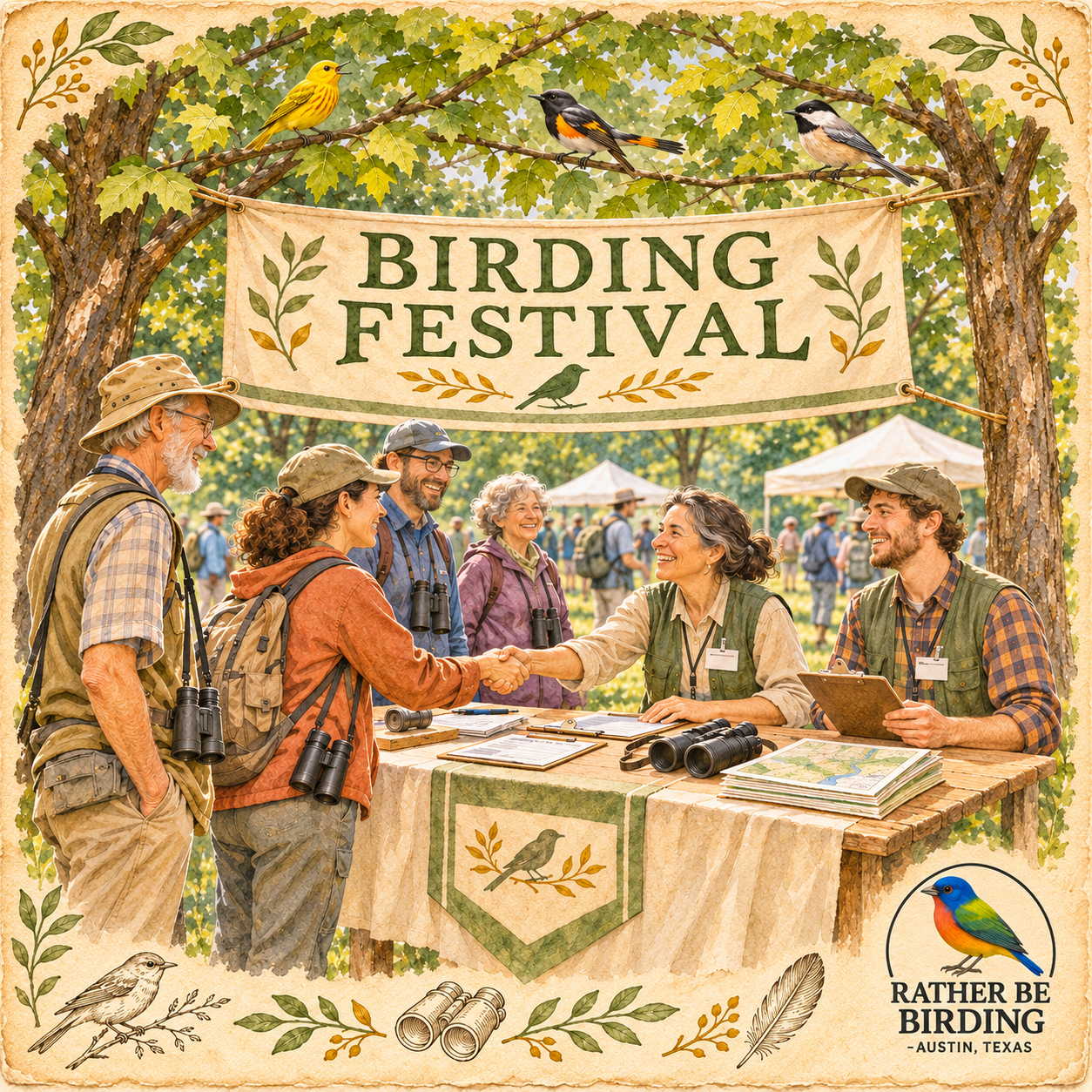
Bird organizations, nature centers, parks, and community science programs depend on volunteers. The work may involve leading a short walk, checking a trail, restoring habitat, greeting visitors, entering data, preparing seed packets, helping at a festival, or writing a note to a local decision-maker.
You do not have to be an expert to contribute. A friendly greeter can help a new visitor feel welcome. A careful driver can help with a bird count. A patient birder can show a beginner how to use binoculars. If you have years of experience, share what you know without making someone feel tested. A first birding walk should leave people curious enough to come back.
Look for groups whose work is clear and whose projects fit your interests. Ask what volunteers actually do, what training is provided, and whether the schedule is flexible. Start with one event or a small recurring commitment. Sustainable service is better than saying yes to everything and burning out.
If mobility, health, transportation, or time limits make field volunteering difficult, ask about remote tasks. Some programs need help with outreach, photography, translation, data review, fundraising, or event planning. Contribution has many shapes.
Speak up for birds and their habitat
Some threats to birds are larger than any one yard. Local decisions about trees, wetlands, pesticide use, building glass, parks, and development shape the places birds depend on. Residents can attend a public meeting, comment on a proposal, write a short letter, or ask elected officials to support bird-friendly practices.
Keep advocacy specific. Instead of saying only “protect nature,” ask for a clear action: retain mature trees during a project, add bird-safe glass to a public building, reduce nighttime lighting during migration, restore native plants in a park, or protect a wetland buffer. Share a personal observation if it helps explain why the place matters to you.
You can also support organizations doing conservation work through membership, donations, or volunteering. Give to groups that are transparent about their goals and use of funds. A small recurring contribution can be meaningful when it fits your budget. So can showing up to help with a local restoration day.
Give back to the birding community
Birding has been passed from one person to another for generations. Someone pointed out a bird, shared a field guide, waited while you found it in the binoculars, or told you that not every sighting needs a perfect name. You can pass that welcome along.
Invite a new birder on a short, low-pressure outing. Choose an accessible place, bring an extra pair of binoculars if you can, and leave time to stop. Offer a few clues: shape, habitat, behavior, and one field mark. Let the person enjoy a bird before asking them to identify it. The goal is not to show how much you know. It is to help someone discover what they can notice.
Older birders can make a special difference by being visible and generous with hard-won experience. Beginners may need a slower pace, a bench, a clear view, or a reminder that there is no deadline for learning. A welcoming club, a comfortable field trip, or a thoughtful online answer can keep someone in birding for years.
Choose one next step
It is easy to look at all the needs birds face and feel that nothing you do will be enough. That feeling can stop us before we begin. Instead, choose one useful action that fits your life this month.
Make one window safer. Replace one ornamental plant with a native one. Clean the feeder you already own. Join a bird count. Ask your apartment manager about a planter. Take a new birder to a nearby park. Write to a local official about a habitat decision.
Then notice what changes. Which birds visit? What is easier than you expected? What do you want to learn next? Your next action can grow from the first one.
Giving back to birds is not a single project with a finish line. It is a habit of paying attention and responding with care. We can help the birds in front of us, add our observations to a wider picture, and make our communities safer for the wildlife we love.
The reward is not only a fuller yard list. It is knowing that our attention has become useful. The bird at the window, the sparrow in the leaf litter, the warbler in the park, and the neighbor who joins us for a walk all become part of the same story: we noticed, we cared, and we did something.
Skill Builders
Pick one window at home and inspect it from outside. Is it reflecting sky or trees? Choose one practical treatment to make it safer.
Make a three-part list of your current habitat: food, water, and shelter. Add one missing element that is realistic for your space.
Try one citizen-science checklist this week. Record only the birds you can confidently identify, and include the time and area you covered.
Invite someone to watch one bird with you. Share three clues—shape, habitat, and behavior—before you offer a name.
A small next step
Choose one action from this post and put it on your calendar. Then tell us what you tried and which birds benefited. Save this article for the next time you want to do more than admire the birds. Let’s keep learning, noticing, and giving back—one bird, one place, and one practical choice at a time.

Want to bird with other people but aren’t sure where to start? Learn how to find a local bird club, choose a welcoming field trip, ask leaders the right questions, or start a relaxed Tuesday morning group of your own.