

And Why You Should Consider Becoming a Birder
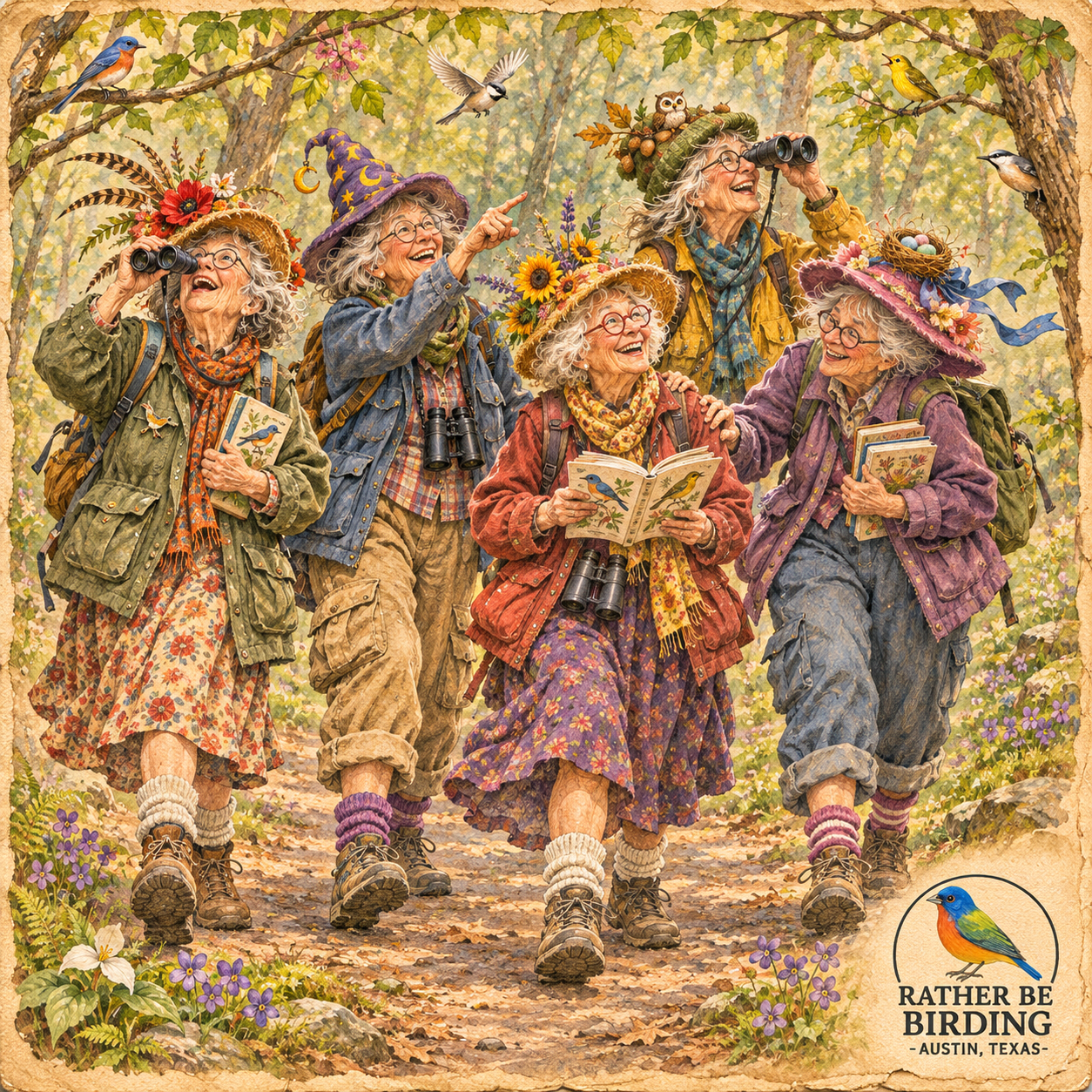
Retirement opens a door that work and family responsibilities may have kept partly closed: the freedom to decide what deserves your attention today. That freedom can feel exhilarating. It can also leave an unexpected question behind: What will give the days shape, meaning, and a reason to look forward to tomorrow?
Birding offers a lovely answer. It gives you somewhere to go, something to notice, and an endless reason to stay curious. It can be quiet or social, active or comfortably seated, a daily ritual or an occasional adventure. You can begin with a pair of binoculars and a window, then follow your curiosity as far as it takes you.
Birding is an especially good retirement hobby because it does not ask you to become someone else. It invites you to bring your attention, experience, humor, patience, and sense of wonder to the living world just outside your door.
A reason to look forward to the morning
A hobby can do more than fill time. It can give a day a small point of anticipation. What birds will be at the feeder? Has the first hummingbird returned? Will the trees along the familiar path hold a new warbler today?
Birds keep their own calendar. A backyard changes as the seasons turn: winter visitors arrive, spring brings song and nesting activity, summer fledglings test their wings, and autumn carries travelers through. Even a place you have watched for years is never quite the same from one morning to the next.
That rhythm can make ordinary days feel more alive. You may step outside to refill a birdbath and find a sparrow bathing, a goldfinch calling from a flower stalk, or a hawk crossing the open sky. The discovery does not need to be rare or dramatic. A familiar bird doing something new can be enough to make you stop and pay attention.
Birding gives you a reason to step outdoors, open a window, or sit with a cup of coffee and really look. Some days, that is the whole outing. Some days, it leads you farther.
Curiosity has no retirement date
One of the pleasures of birding is that there is always more to learn. You can start by recognizing a cardinal or a robin, then begin to notice shape, posture, movement, color patterns, and calls. You may find yourself wondering why a bird is feeding on the ground, traveling with a flock, or returning to the same branch.
This is not a test. Nobody needs to memorize every bird or identify every sound. The goal is to notice more than you noticed before. Instead of asking, “What is the name of this bird?” you might first ask, “What do I see it doing?” or “What kind of place is it using?”
Those questions build confidence. Watch the bird’s overall shape. Notice the length of its tail or bill. Look at how it moves and where it spends time. Habitat and behavior can tell you a great deal, even before you reach for a field guide.
And when the name remains a mystery, the observation still counts. You saw a bird. You paid attention. You learned something about the place you were in. That is a satisfying beginning.
Birding meets you where you are
A common picture of birding involves miles of trail, a heavy pack, and an early start. Those outings can be wonderful, but they are only one way to bird. The hobby can be adapted to your energy, mobility, hearing, eyesight, schedule, and interests.
Your birding spot might be a porch, patio, balcony, garden, kitchen window, or community courtyard. You might watch from a bench, a vehicle, a wheelchair, or a quiet corner of a park. A short visit to a level path can be a complete outing. If you enjoy a longer walk, you can choose one that suits you and take breaks when you want.
Comfort is not a concession. It is part of making birding enjoyable. Look for shade, benches, restrooms, level surfaces, and easy exits when planning an outing. Bring water and dress for the weather. Choose binoculars that feel good in your hands and are easy for you to focus. A field guide, notebook, or phone app can help, but you do not need to buy a full kit before you begin.
There is no required distance, pace, or number of birds. Birding is not a competition. Find the version that lets you keep coming back.
A little movement, with a purpose
Birding can encourage you to move in ways that feel natural. You might walk a short loop to listen for birds, stand for a few minutes by a pond, tend native plants, or follow a trail at a comfortable pace. There is a destination, but it is not a finish line. You can pause whenever something catches your eye.
For some people, that makes movement more appealing than exercise for its own sake. You are not counting steps as much as looking for a woodpecker, checking the water’s edge, or seeing whether the swallows are still flying over the field. The walk becomes a chance to explore.
And movement is not a requirement. Sitting still can be active birding when your attention is engaged. A patient hour at a window can reveal feeding patterns, family groups, territorial behavior, and changing visitors. A short garden visit can be as rewarding as a day trip.
The important thing is to let the birds invite you into the day in a way that feels good.
A hobby that connects you to people
Birding can be solitary and restorative, but it can also open the door to new friendships. A local bird club, nature center, library program, beginner walk, or community science event can introduce you to people who are happy to share what they know.
A welcoming group walk does not need to feel like a class or a test. People can compare observations, help one another locate a bird, and enjoy the small excitement of finding something together. You can learn from experienced birders without needing to keep up with anyone’s list or pace. If a group outing feels too ambitious, invite one friend to a nearby park or watch birds together from the backyard.
Birding can also bridge generations. A grandchild may be delighted by a hummingbird’s speed or a nestling’s first flight. A neighbor may know the birds in the park and appreciate having someone to share the morning with. You may have decades of experience in other parts of life; a new birder brings fresh questions. Both are gifts to a conversation.
If you prefer quiet, that belongs too. You can enjoy birds on your own and still feel connected to the larger community of people paying attention.
From noticing to making a difference
Retirement can bring a new freedom to choose how you contribute. Birding offers ways to turn attention into care, without asking anyone to take on more than they can manage.
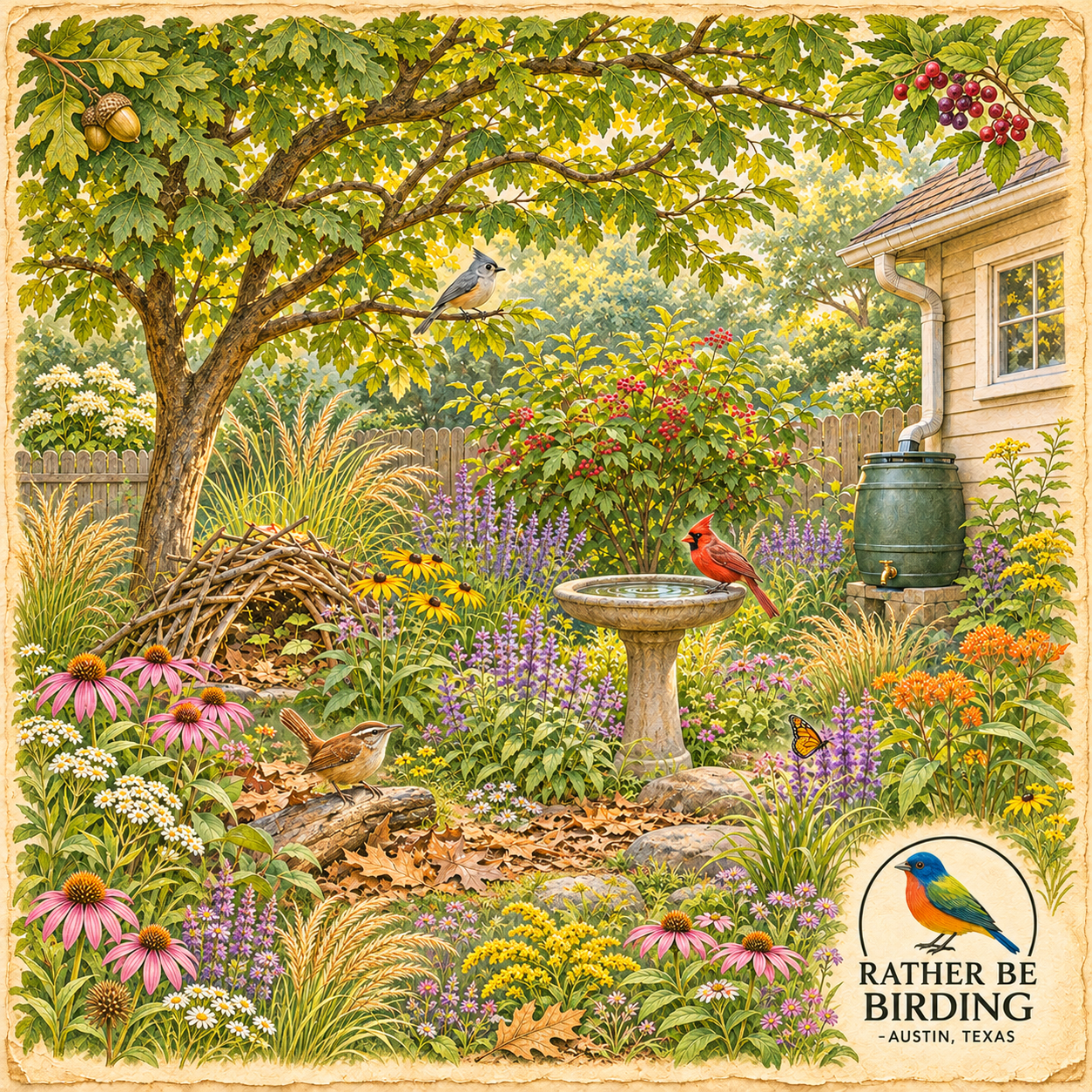
You might make a backyard or balcony friendlier to birds by providing clean water, growing plants suited to your region, reducing window collisions, or keeping cats indoors. You could join a local cleanup, help maintain habitat, or support a conservation organization. Some birders volunteer at a nature center or participate in a bird count. Others simply record what they see in a community science project.
These contributions are valuable because birds need more than admiration. They need safe places to feed, rest, nest, and travel. The people who notice what is happening in their neighborhoods can help build a clearer picture of how birds are doing and what local habitats need.
No single person has to solve every problem. A small act of care, repeated over time, matters. So does sharing what you have learned with a friend or helping a new birder feel welcome outdoors. Purpose can be close to home.
You can keep discovering the familiar
Many people imagine that birding depends on travel: rare birds, distant wetlands, famous migration sites. Those places can be thrilling, but a meaningful birding life does not depend on them.
A familiar patch can deepen with repeated visits. You begin to recognize which trees attract songbirds, where herons stand along the water, and when the first swallows arrive. You notice how weather changes bird activity. Over time, you become part of the place’s seasonal story.
That kind of knowledge is its own reward. It is also a gentle reminder that wonder does not require a plane ticket or a long hike. Sometimes it is a bluebird on a fencepost, a flock of geese passing overhead, or a sparrow carrying nest material through the garden.
The size of a life list does not measure the richness of a birding life. The stories you gather, the attention you practice, and the care you offer matter more.
A hobby that can grow with you
The best retirement hobbies can change as your interests and circumstances change. Birding can, too. You might start with backyard birds, then learn to identify common families. Later, you may enjoy photography, sketching, gardening for wildlife, local walks, or a citizen science project.
You can make it as simple or as involved as you like. One notebook page can hold a season’s worth of observations. A weekly walk with a friend can become a pleasant routine. A bird feeder can become a small study in behavior. A volunteer role can make use of skills you already have.
And the hobby does not have to be mastered. There is always another behavior to understand, another call to recognize, another habitat to explore. The learning keeps unfolding at your pace.
Getting started can be wonderfully simple
Choose a place you already enjoy: a window, yard, balcony, neighborhood green space, or nearby park. Spend ten minutes watching. Notice the birds’ size, shape, movement, and surroundings. If you have binoculars, bring them; if not, begin with your eyes.
Pick one bird to follow for a few minutes. What does it eat? Where does it perch? Does it return to the same place? You can write down what you see without knowing the bird’s name. Later, use a field guide or trusted identification resource to explore possibilities.
If you want company, look for a beginner-friendly walk through a local nature center, bird club, or park program. Ask about distance, terrain, seating, restrooms, and pace before you go. The right outing should make you want to return.
Most of all, let yourself be new at this. Every birder began by noticing one bird.
Retirement is a beginning
Birding will not make every day perfect, and it does not need to. It can offer something steadier: a reason to look closely, a fresh question to carry, a place to go, a person to meet, and a practical way to care for the world around you.
Retirement is not the end of your usefulness or your capacity to learn. It can be a time to bring your attention to things that were easy to miss when life was crowded. Birds reward that attention with motion, color, sound, surprise, and the deep pleasure of being part of a living place.
You do not need to travel far, walk fast, or know the names of every bird. Start with the view you have. Watch one bird today. Curiosity has no retirement date.
Skill Builder: Follow one bird
For five minutes, watch one bird without trying to identify it right away. Notice its shape, where it goes, what it does, and how it interacts with its surroundings. Write down three observations. Then see whether those clues help you identify it.
Take the next step
If birding has been on your mind, begin where you are. Invite a friend, visit a nearby park, or make one corner of your yard more welcoming to birds. Choose a pace that feels like yours, and give yourself permission to keep learning.
Save this article for your first outing, share it with someone who might enjoy birding, and explore more beginner-friendly birding ideas at RatherBeBirding.com.
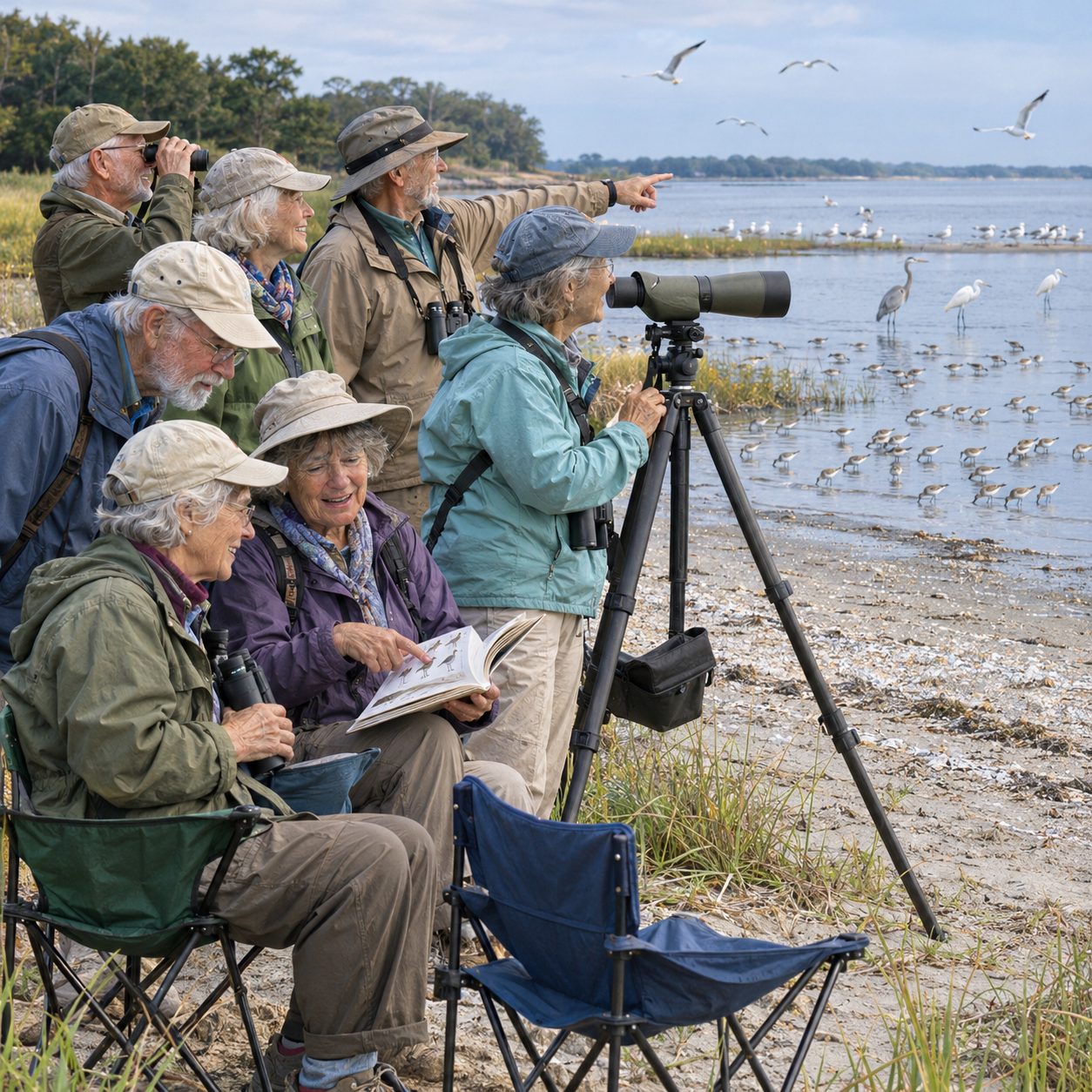

Retirement can make room for a new kind of curiosity. Birding offers something to look forward to, a reason to learn, a way to connect with people, and practical ways to help birds - whether you explore a trail, watch from a bench, or begin at your own window.