

Winterize Your Backyard Bird Sanctuary
A Practical Guide for Every Region

A backyard bird sanctuary does not have to be lush or colorful to be useful in winter. When flowers fade and the garden looks quiet, birds still need food, water, sheltered places to rest, and safe routes through the yard. A few thoughtful changes can make your space more welcoming through cold snaps, winter rain, dry spells, and the first hints of spring.
Winterizing is less about buying new equipment and more about noticing what your yard already offers. Seed heads, fallen leaves, berry-bearing shrubs, evergreen branches, and a clean feeder can all contribute. Start with the basics, then adjust for your climate and the birds that visit.
Begin with a winter walk-through
Before you move feeders or trim plants, take a slow walk around the yard. Look at it from a bird’s point of view. Where can a small bird find cover from wind or rain? Is there a safe place to forage on the ground? Can birds reach water without being trapped near a cat’s hiding place? Are feeders easy to clean and refill after a storm?
Notice the sunny and shaded sides of the yard, where snow drifts, and where water collects. A dense shrub, brushy corner, or evergreen can shelter birds between feeding trips. Open lawn may be easy to maintain, but it offers little protection. You do not need to transform everything at once. Choose one useful improvement for this winter and keep a short list of future projects.
Keep natural food available
Many birds eat more than seed. They forage for insects in bark and leaf litter, search for seeds on standing plants, and take fruit from shrubs and trees. Those natural foods can be especially valuable when weather makes foraging harder.
Leave some seed heads standing on coneflowers, sunflowers, native grasses, and other plants that provide food. Let leaves collect beneath shrubs or move them from the lawn into garden beds. Leaf litter shelters insects and other small invertebrates that birds can find while scratching and probing. Leave a manageable patch rather than covering paths or drains.
If your yard has berry-producing native plants, let the fruit remain for wildlife. Depending on your region, winter fruit may come from hollies, dogwoods, sumacs, junipers, wax myrtles, or other locally native species. Check that a plant is native to your area before adding it; a good choice in one region may be unsuitable or invasive in another. A local native-plant society, extension service, or Audubon native-plant resource can help you choose.
Add shelter and reduce wind exposure
Birds need places to retreat from wind, rain, and snow. Dense shrubs and evergreen trees provide cover, while a layered planting gives birds more than one place to hide. If you are planning a new border, combine small trees, shrubs, grasses, and low groundcover suited to your soil and rainfall. A hedge or shrub row can also soften winter winds, especially if you place it where it will not block a useful view or create a predator ambush point. Native plantings with different heights can offer food and cover through the year.
A brush pile is a simple option for a corner of the yard. Use fallen branches and small logs, with the largest pieces at the base and smaller twigs layered above. Keep it away from buildings and paths, and place it where birds can enter and leave easily. Avoid treated lumber, plastic netting, or materials that can snag wildlife. Add branches as the pile settles. Brush piles can provide shelter during winter weather.
Do not clear every dead stem, hollow, or fallen branch simply because the garden looks untidy. Some birds forage on trunks and branches, and a little natural structure can provide shelter. Remove hazards that threaten people or property, but leave safe habitat features where you can.
Leave dead trees unless they may cause a safety hazard. Dead trees may contain natural or excavated cavities that provide wonderful insulated overnight resting places for a wide variety of small songbirds and woodpeckers.
Make winter water practical
Water matters in winter, but it does not have to become a complicated project. In mild climates, a shallow, clean birdbath may be enough. In freezing climates, you can set out a plastic bowl of fresh water during the day and bring it in when ice forms. You can also place a brick in a bird bath which will heat up quickly on sunny days even when the air temperatures is quit cold. The warm brick can help the frozen water thaw more quickly.
A thermostatically controlled birdbath heater is another option if you want to maintain open water during prolonged freezes. Keeping a bath ice-free is very helpful in the northern tierr of states, but not essential; birds can often find other sources, including snow and dripping water.
Choose a shallow basin with a gently sloping edge. A few stones or sturdy branches can give birds a place to stand and drink without getting fully wet. Put the bath where birds have a clear view of the surroundings and a reasonable escape route. If neighborhood cats use nearby shrubs as cover, relocate the bath or skip it; bird safety comes first.
Refresh the water regularly and scrub away droppings or algae. Never add antifreeze or glycerin to keep water liquid. Antifreeze is poisonous, and glycerin can foul feathers. If you use an electric heater, follow the manufacturer’s instructions and use a protected outdoor outlet.
Prepare feeders for weather and safe use
If you feed birds, winter is a good time to clean and inspect the whole feeding station. Empty old seed, wash feeders with soap and water, rinse thoroughly, and dry them completely before refilling. Discard seed that smells musty, looks damp, or has clumped. Clean up soggy seed and hulls under feeders; wet, spoiled food can become a health problem.
Choose food and feeders for the birds you hope to support. Black-oil sunflower is a versatile option for many common feeder birds. Peanuts can attract chickadees, nuthatches, and woodpeckers when served safely in an appropriate feeder. Suet is particularly attractive to many birds throughout the cold months. It can be useful for woodpeckers and other birds that eat insects, particularly in colder weather. Small seeds such as millet may bring ground-feeding birds, depending on your region.
Place feeders where you can reach them for cleaning and refilling in bad weather. Nearby shrubs give birds a place to retreat, but avoid putting feeders so close to dense cover that a predator can hide beside them. Spread feeding areas out if you have room; several smaller stations can reduce crowding. Keep seed dry, refill only as much as you can maintain, and clean feeders on a regular schedule.
Feeders are a supplement to habitat, not a substitute for it. If you cannot keep them clean or stocked, your sanctuary can still help birds through native plants, water, shelter, and safe windows.
Protect birds from glass and outdoor hazards
Winter birds may visit familiar feeding spots repeatedly, so check windows near feeders, baths, and dense plantings. Reflections can make glass look like open sky or habitat. Apply a dense pattern of external markers, screens, or other tested collision-prevention products to the outside of problem windows. A single decal in the center of a pane is unlikely to make a large glass surface visible to birds.
Keep cats indoors or supervised, and avoid placing food or water where a cat can crouch unseen. Secure trash and pet food, and follow local guidance about feeding wildlife if you live where bears or other large mammals may be attracted to feeders. In some areas, taking feeders down for part of winter is the responsible choice.
Adjust the garden by region
Winter looks different across North America, so use your local weather and native plants as the guide.
Northern and inland regions: Expect snow, ice, and long freezes. Keep a path clear to feeders and water, use sturdy equipment that can handle wind, and check that seed stays dry. Let coneflower and grass seed heads stand. Dense evergreen cover, brush piles, and fruiting shrubs can offer refuge when snow covers the ground. If you choose a bath heater, use a product designed for outdoor birdbaths and inspect the cord regularly.
Midwest and Great Plains: Wind can be as challenging as cold. Shrub rows, native grasses, and a brushy corner can break up exposed space. Leave some prairie seed heads standing and keep a patch of leaves under shrubs. In a snowy winter, feeders can help birds reach energy-rich food, but regular cleaning and dry storage matter just as much as the food itself.
Southeast and lower South: Many yards have a mix of cool spells and mild stretches. Keep water available, but clean it often during warmer periods. Native evergreen shrubs and trees can provide cover and fruit; choose species that fit your local soil and moisture. In warm weather, watch for mold or spoiled seed and reduce feeder quantities if birds are not finishing it.
Southwest and arid regions: Winter can be dry even when temperatures are mild. A dependable, clean water source may be especially useful. Check basins often because water evaporates quickly, and place them where birds have shade and nearby escape cover without giving predators a hiding place. Use native plants adapted to your rainfall, and avoid assuming that a lush lawn or frequent irrigation is necessary for a bird-friendly yard.
Pacific Coast and maritime climates: Mild winters may bring repeated rain rather than deep freezes. Keep feeders protected from persistent moisture, clean wet seed promptly, and make sure water does not become stagnant. Evergreen shrubs and locally native berry-producing plants can provide cover and food. In areas with bears, follow local recommendations about whether and when feeders should be used.
These are starting points, not rigid regional rules. Conditions vary widely within each region, and the best plant list is the one suited to your specific ecoregion and yard.
Use winter to plan for spring
Winter is a useful season for noticing gaps in the sanctuary. If birds gather at one feeder but have nowhere to hide, plan a shrub or small-tree planting. If the yard feels bare from the window, consider adding a layered native border. If you have a patch of lawn that receives little use, sketch a small habitat bed on paper before buying plants.
New trees and shrubs may take time to provide fruit or dense cover, so think in seasons rather than expecting an instant result. Protect young plants from browsing animals where needed, water them according to local conditions, and choose species that can thrive without constant care once established. A winter project can be as modest as leaving a corner untrimmed or adding one container of native grasses.
A simple winter sanctuary checklist
Keep some seed heads, leaves, and safe natural cover in place.
Clean feeders, discard spoiled seed, and keep food dry.
Offer shallow water when practical; refresh and clean it regularly.
Create or preserve shelter with shrubs, evergreens, or a brush pile.
Make windows visible to birds and reduce predator access.
Choose plants native to your local region and suited to your conditions.
Adjust the plan during unusual cold, drought, storms, or wildlife activity.
Winterizing your backyard bird sanctuary is not about making every corner perfect. It is about keeping a few dependable resources available and giving birds room to find what they need. Start with one small change: leave a patch of leaves, clean the bath, protect a window, or plant a native shrub when the season is right. Over time, those choices build a yard that supports birds through winter and welcomes them into spring.
Skill Builders
Choose one spot in your yard and observe it for ten minutes this week. Which resource do birds use most: food, water, shelter, or a safe place to move through? Write down one winter improvement you can make now and one project to plan for spring.
Closing thought
A winter sanctuary does not have to be elaborate. A little shelter, clean water when conditions allow, safe food, and a willingness to leave some of the garden natural can make your yard a more welcoming place for birds all season long.
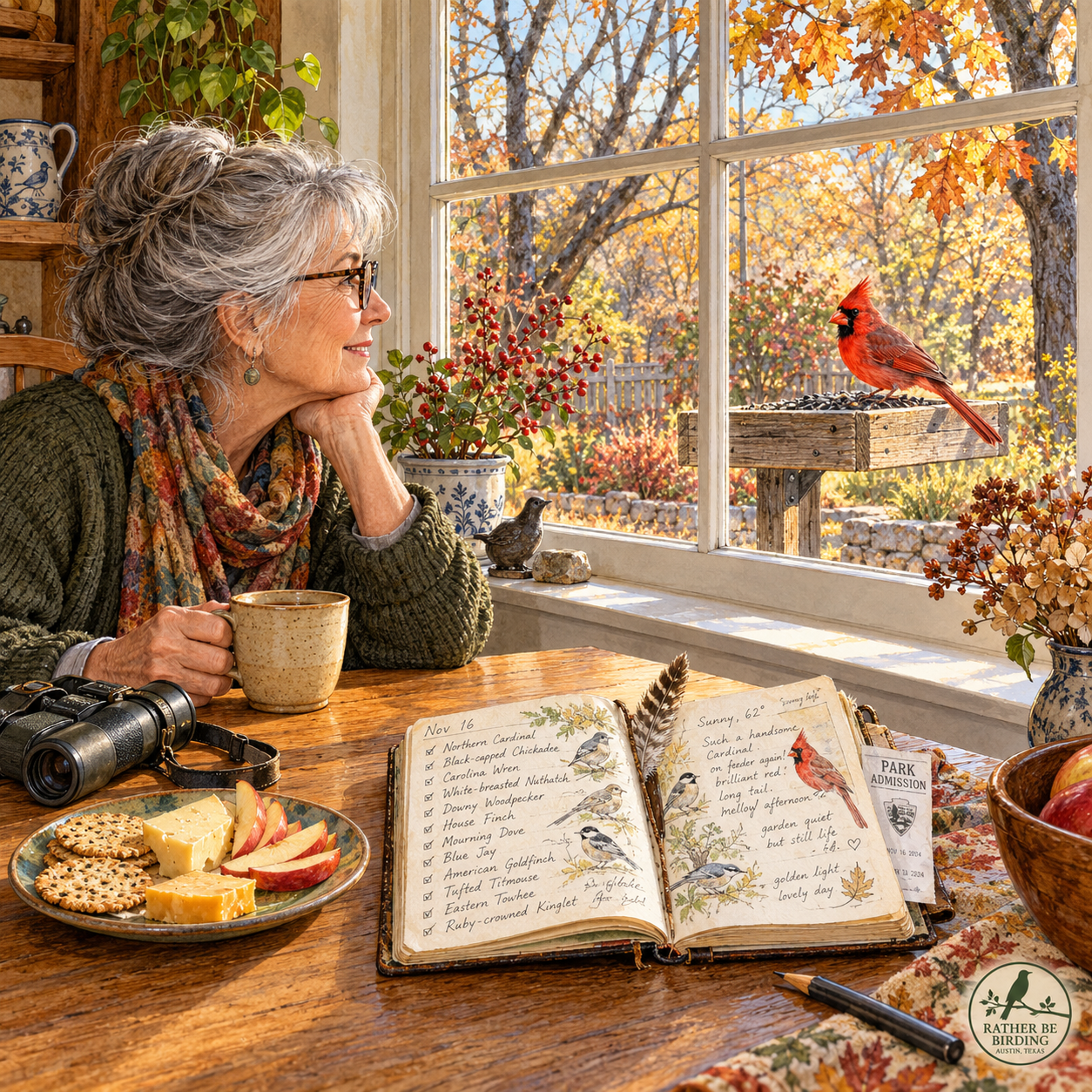

Winter does not have to leave your backyard bird sanctuary bare. Discover simple ways to provide natural food, shelter, safe water, and clean feeders, with ideas for different North American climates.