

How to Start Birding Under $100
It’s inexpensive to begin this life-long passion
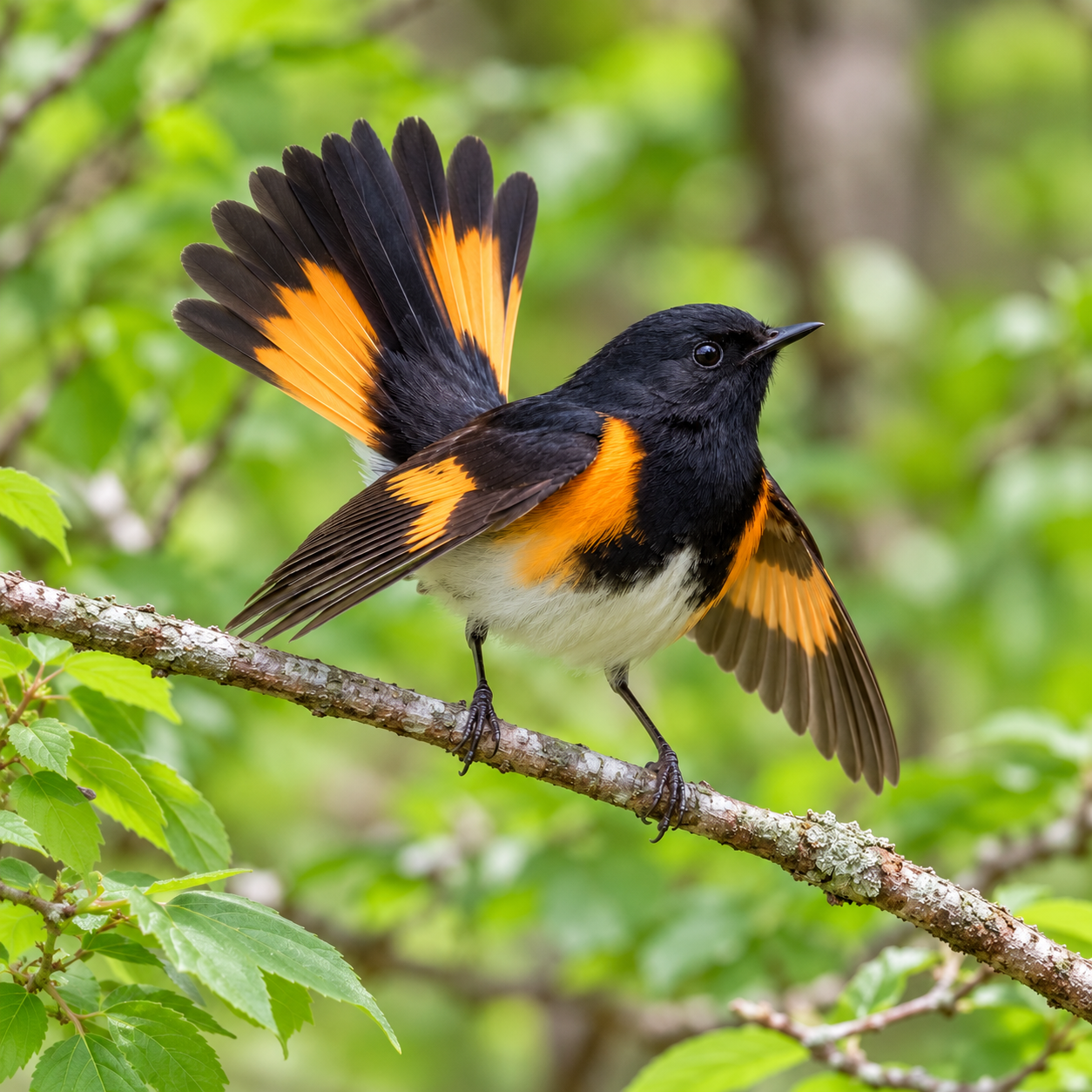
You can learn how to start birding under $100 without buying a special wardrobe, traveling to a famous birding destination, or filling a backpack with equipment. A useful pair of binoculars, free identification help, and somewhere nearby to watch birds can take you a surprisingly long way.
In fact, you can begin before buying anything. The bird walking across your lawn or calling from a neighborhood tree gives you something to observe right now.
This guide to birding on a budget will help you decide what deserves your money, what can wait, and how to make your first outings worthwhile. Whether you are discovering birdwatching for the first time or looking for an affordable hobby in retirement, the goal is the same: make starting simple enough that you actually start.
What do you need to start birding?
Your basic birdwatching kit needs to help you do three things: see birds, identify what you notice, and remember what you learn.
Binoculars help with the first. A free bird identification app or borrowed field guide (check used book stores too) helps with the second. A notebook, scrap paper, or your phone handles the third.
Add comfortable shoes, weather-appropriate clothing, and water you already have at home. That is enough for a short outing.
You do not need a camera, spotting scope, bird feeder, or collection of specialized accessories. You also do not need to identify every bird. Learning to notice size, shape, movement, and habitat is a useful beginning even when the bird’s name remains a mystery.
A beginner birding budget under $100
Here is a spending plan designed to keep your total below $100.
Beginner binoculars $65
Free id app or borrowed field guide $0
Notebook and pencil, if needed $3
Clothing, water bottle, and bag
you already own $0
Free nearby birding location $0
Reserve for transportation, etc. $22
Planned total $90
These are spending targets, not quoted product prices. This plan assumes you already own basic clothing and, if using an app, a compatible phone. Check your actual checkout total and travel costs before buying.
If suitable binoculars cost more than your allowance, consider borrowing a pair first. Ask a local nature center, library, or bird club whether loaners are available; availability varies.
You do not have to spend the entire budget immediately. Keeping some money unspent gives you time to discover what would actually improve your experience.
Put most of your budget toward binoculars
For many beginners, binoculars will make the biggest difference in what they can see. Details that look like a brown blur suddenly become a striped breast, a pale eyebrow, or a surprisingly handsome pattern of feathers.
Start your search with 8x magnification. It offers useful enlargement without making every small hand movement as noticeable as higher magnification does. The Cornell Lab also identifies 8x as a popular balance of magnification, steadiness, and field of view. All About Birds
When comparing affordable birding binoculars, try them if possible. Can you find a distant object quickly? Does the focus wheel turn comfortably? Does the image feel clear and easy to look through?
If you wear glasses, test the binoculars with your glasses on.
Be cautious about choosing solely by the largest magnification number or an impressive discount. The best bargain is something you will enjoy using. A low price does not help if the binoculars make watching birds frustrating.
Borrow or buy used thoughtfully
Borrowing binoculars can teach you what fits your hands and eyes before you commit to a purchase. A friend’s spare pair may be perfectly adequate for practicing.
Used binoculars can also stretch a beginner birding budget, especially when you can inspect them before paying. Look for a clear view through both sides, a working focus wheel, intact eyecups, and no obvious damage.
If the image appears doubled or you struggle to merge the two views after adjusting the binoculars correctly, pass on that pair. Repairs could erase your savings.
For an online purchase, check the return policy and the total cost, including shipping. Avoid treating an untested secondhand listing as a guaranteed bargain. Your first binoculars should help you build confidence, and having a way to return an unsuitable pair matters.
Use free bird identification resources
You do not need a paid app to begin identifying birds. Cornell’s free Merlin Bird ID offers identification help using sounds, photographs, and questions about a bird’s appearance. It also lets you explore birds likely in your area. merlin.allaboutbirds.org
Set it up at home and download the relevant bird information before your outing. Take a few minutes to learn where the features are.
Then use the app as a learning partner. Observe the bird first, consider what you noticed, and compare the suggested identification with the evidence. Sound suggestions are clues to investigate, not automatic proof that a species is present.
Prefer a book? Borrow a regional field guide from your library or a friend. Browsing related birds together can help you understand similarities and differences. Cornell’s All About Birds website is another free resource for looking up birds after your walk.
Start birdwatching close to home
Some of your most useful birding practice may happen within a few minutes of your front door.
Try a neighborhood park, a pond with public access, a tree-lined sidewalk, or your own window. Choose somewhere you can visit repeatedly without worrying about admission fees or a long drive.
Familiar places let you notice changes. Which birds stay close to shrubs? Which use open grass? Does activity increase when sunlight reaches a particular tree?
Return at different times and compare what you see. Early visits can be productive, but do not let the idea of a perfect birding hour prevent you from going when you are available.
For birdwatching for beginners, a convenient place you visit regularly can teach you more than an impressive destination you rarely reach.
Focus on Family. Then Species.
One way to make bird identification less overwhelming costs absolutely nothing: begin with the general kind of bird.
At Rather Be Birding, the principle is Focus on Family. Then Species.
Does it look like a woodpecker, wren, sparrow, or duck? Notice the overall shape, bill, posture, and behavior before searching for a species name.
A small bird climbing a trunk deserves a different set of possibilities than a small bird scratching beneath a shrub. Habitat and behavior help you narrow the choices.
For your first week, choose three common local birds to learn well. Watch how they move, where they feed, and how their proportions compare. Getting familiar with a few birds gives you reference points for unfamiliar ones. You are building recognition, not memorizing an entire field guide.
Practice finding birds through binoculars
Even good binoculars take practice. If you struggle to get a bird into view, that does not necessarily mean you bought the wrong pair.
Start with something stationary, such as a sign or a leaf at the end of a branch. Look directly at it, keep your head still, and raise the binoculars to your eyes. Then adjust the focus.
Repeat until the movement feels natural.
When you move on to birds, choose one sitting in the open. A perched dove is a more forgiving practice subject than a tiny bird disappearing through dense foliage.
Keep your elbows close to your body if that feels comfortable. Give yourself time to adjust the binoculars properly. A few short practice sessions can make your inexpensive starter kit much more useful.
Birding for seniors on a budget
If you are starting birding in retirement, build your outings around comfort and curiosity. You do not have to walk long distances to have an interesting morning.
A park bench overlooking shrubs, a patio chair, or an accessible pond viewpoint can give you plenty to observe. Choose locations with the surface, shade, seating, and restroom access you need. Save a trip by calling ahead, when possible, to make sure accessibility, entrance fees for seniors and conveniences meet your particular needs. You can even ask what birds have been seen recently.
When trying binoculars, pay attention to grip, balance, and how easily you turn the focus wheel. The smallest pair is not automatically the most comfortable. Try holding them up for more than a quick glance. Bigger binoculars (and some old varieties) can be heavy and your neck can really feel it after a couple hours. Binoculars should always be on a strap around your neck but avoid hanging on the strap or binoculars when not using them - you’re actually pulling on them and causingneck strain.
Rest your arms between sightings or watch from a seated position. If hearing birds is difficult, concentrate on movement and visible behavior.
Birding for seniors can be as leisurely or active as you choose. A comfortable twenty-minute visit that leaves you eager to return is a successful outing without exhausting you.
Skip these beginner birding purchases for now
A few tempting purchases can quickly push your birdwatching budget past $100.
A camera is optional. You can enjoy and identify birds without photographing them. A spotting scope can wait until you know whether distant viewing will be a regular part of your birding.
In Colorado, most of our birding was at a distance so we purchased our scope early on. Now that we’re in Texas, we are mostly in wooded areas or along the shore so our spotting scope (nearly 50 years old now) rides along but is rarely used.
Special clothing, expensive journals, and multiple identification books can wait too. Use what you have while you discover your preferences.
A bird feeder is also optional. Backyard birdwatching can begin with birds already using your trees, shrubs, or surrounding neighborhood. A small tube feeder and 10 pounds of black-oil sunflower seed can be purchased fairly inexpensively, as your budget allows, and can bring the birds close so you can watch them from your window - often without binoculars.
Before buying anything extra, ask: what specific difficulty will this solve? If you cannot answer yet, give yourself a few more outings before spending.
Find affordable ways to learn with other birders
Watching alongside someone more experienced can help you notice details you would otherwise miss.
Check local bird clubs, Audubon chapters, parks, and nature centers for beginner outings. Some are free, while others require registration, membership, or an entrance fee. Read the details before making plans.
Before paying or showing up, ask about the pace, terrain, duration, and loaner binoculars if those would help. A short walk labeled beginner-friendly may suit you better than an all-morning trip.
Let the leader know you are new. Ask how they recognized a bird or where they are looking. Understanding the clues is more useful than simply collecting names.
If a group feels intimidating, invite one friend to visit a familiar park. You can practice noticing birds together without needing either person to be an expert.
Your first week of birding on a budget
Keep your first week manageable. Set up your identification resource and choose one nearby place to visit.
On your first outing, spend fifteen or twenty minutes watching. Find one bird and stay with it long enough to notice what it is doing.
On your next visit, look for that bird again. Write down three observations: its size, its behavior, and where you saw it. Add a name only when you feel reasonably confident.
Later in the week, practice recognizing two more local birds. Compare their shapes and movements. Notice their difference in size - this is key! When our winter visiting Chipping Sparrows return to us in early winter, we notice the TINY sparrows immediately. Even tough they are only an INCH SHORTER, that’s 20% less and fully HALF THE WEIGHT of our resident Lark Sparrows and you learn to notice the small difference very quickly.
Finish by asking what helped and what was frustrating. You may discover you need more binocular practice, a quieter location, or a more comfortable seat rather than additional equipment. Let your experience guide your next step.
Start with the birds already around you
Learning how to start birding under $100 is largely about giving yourself permission to begin simply. Now if you want to spend thousands to outfit yourself to take on the bird world, you certainly can, but I would be hesitant to invest alot of money before finding out if I even liked the pastime.
Spend carefully on binoculars if you need them. Use free learning resources. Visit somewhere convenient. Give familiar birds enough attention to become interesting individuals rather than background scenery.
Your first reward might be noticing a bird you previously overlooked or recognizing a familiar visitor without checking an app. Those small moments are how confidence grows.
Choose one nearby place and set aside twenty minutes this week. Whether you watch from a trail, a bench, or your breakfast table, you already have somewhere to begin.



Starting birding can be simpler - and more affordable - than you think. Learn how to build a beginner birding kit for under $100, use free identification resources, and practice close to home. Includes a realistic sample budget, what to buy first, what can wait, and a few comfort tips for seniors.