

Why Hummingbirds Migrate
And How Your Feeder Can Help Them Make It
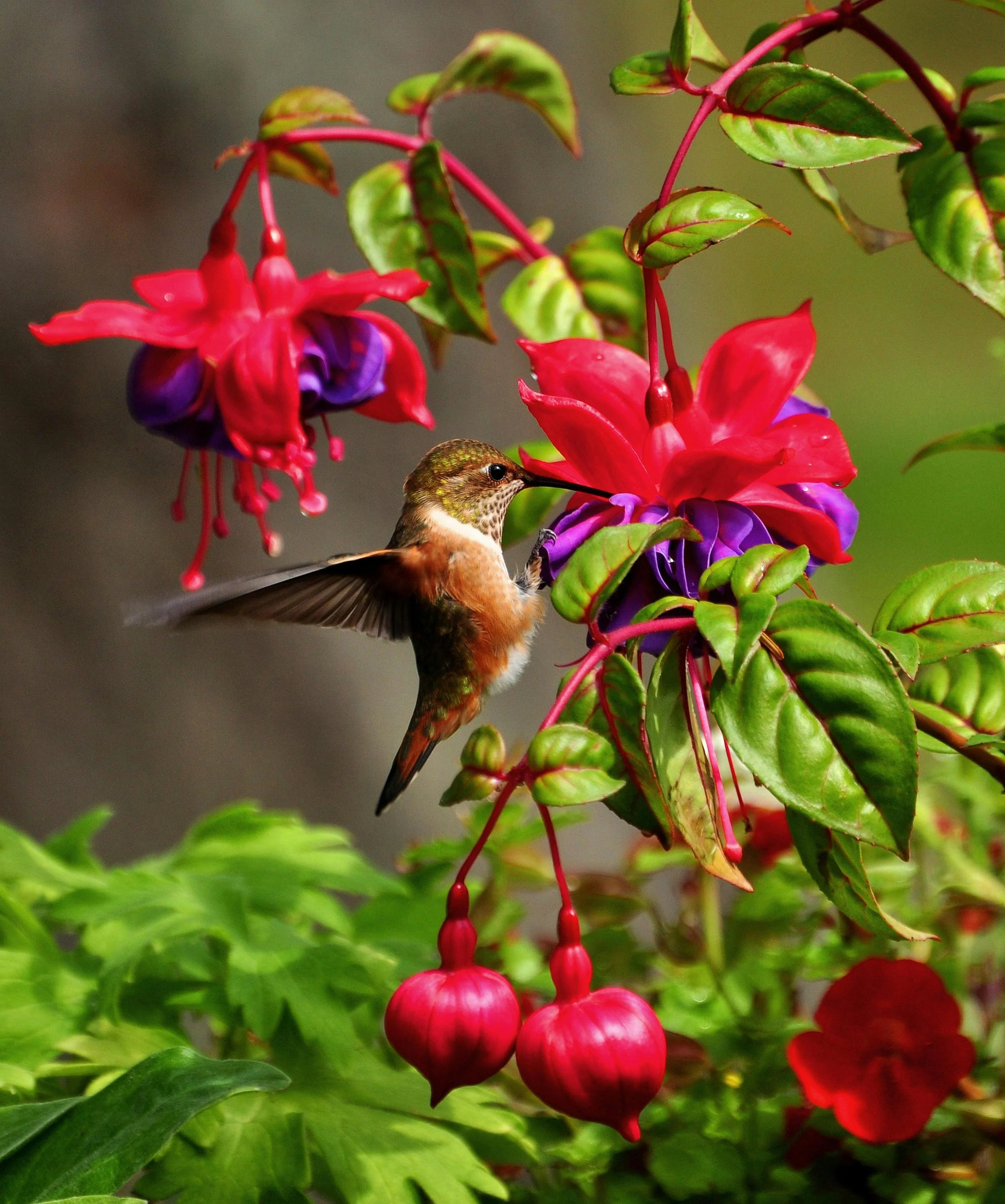
There are a lot of beautiful things in birding, but hummingbird migration is in its own category: tiny body, huge ambition, zero hesitation.
One day your backyard is a blur of wings and squeaky chip notes… and then it’s quiet. Not because the party ended—because the road trip began.
And if you’ve ever stood on your porch in late summer thinking, Where on earth are you going, little spark?—you’re asking the exact right question.
Because hummingbirds don’t migrate “just because.” They migrate because they’re built for a very specific kind of life: one that requires fresh nectar, swarms of tiny insects, safe nesting conditions, and the right timing. When those things shift with the seasons, hummingbirds shift too.
The big reason: food is seasonal, even for sugar-powered athletes
Hummingbirds are not casual diners. They’re high-performance engines that run hot all day long. Nectar gives them quick energy, but it’s not their whole diet—insects and spiders provide protein and other nutrients (especially important for breeding and raising young).
So when flowers stop blooming and insect numbers drop, “staying put” isn’t noble. It’s dangerous.
Migration is their strategy for following the buffet as it moves north in spring and south again in fall—basically riding a wave of blooms and bugs across the continent.
The deeper reason: breeding season is better up north
Spring and summer in much of the U.S. and Canada offer a short window of abundance: longer daylight, more insects, more nectar, and more nesting opportunity. That means hummingbirds can raise young when resources are at their peak.
By fall, that abundance fades. So they move back toward wintering areas where flowers (and insects) are more reliable.
What “turns on” migration: timing, daylight, and instincts older than your neighborhood
Migration is triggered by a mix of cues:
Day length (photoperiod) changes reliably every year.
Food availability shifts with bloom cycles and insect hatches.
Weather patterns nudge timing (late cold snaps, storms, drought).
And underneath all that: hardwired instinct. Hummingbirds don’t need a map on your fridge—they carry a seasonal “go” signal in their biology.
That’s why you may see hummingbirds show up on roughly the same calendar rhythm each year, even if the weather feels weird.
Eastern superstars: Ruby-throated routes and jaw-dropping distances
If you’re east of the Mississippi, the Ruby-throated Hummingbird is the headliner—the only hummingbird that breeds widely across eastern North America.
When ruby-throats migrate between their breeding range and wintering grounds, they generally have two main strategies:
1) The coastal “hug-the-land” route
Many ruby-throats head south along the Gulf Coast down through Texas and into Mexico/Central America.
2) The “hold my nectar” Gulf crossing
Some ruby-throats take a much more dramatic option: a direct flight across the Gulf of Mexico—about 500 miles nonstop.
That’s not a cute trivia fact. That’s a life-or-death endurance event.
Audubon notes that ruby-throats are known for that 500-mile Gulf crossing, and there are even stories of them landing on boats out there—because sometimes you do what you must.
Also worth remembering: by fall, ruby-throats overwinter from Mexico as far south as Costa Rica or Panama.
So yes—your backyard visitor may be heading for another country. Or two.
Western marathoners: Rufous (and friends) doing the continental loop
Now let’s talk about the western migration stories that make you blink twice.
Rufous Hummingbird: the long-distance legend
Rufous Hummingbirds can travel nearly 4,000 miles between breeding grounds in Alaska/northwest Canada and wintering areas in Mexico.
And their routes are especially interesting:
Spring: generally northward up the Pacific Coast
Late summer/fall: often back south through the Rockies
That means the hummingbird you see in your yard might be part of a seasonal loop that spans oceanside habitats, mountain corridors, high deserts, and everything in between.
Allen’s Hummingbird: early mover with a split strategy
Allen’s Hummingbirds show a mix of migration and residency. Cornell notes that coastal breeders from southern Oregon through southern California migrate to central Mexico, while birds around Los Angeles and the Channel Islands can be primarily year-round residents.
In other words: not all hummingbirds read the same travel blog.
“But do any hummingbirds live in the U.S. year-round?”
Yes—and this part is important, because it changes how we think about feeders, winter flowers, and those surprising December sightings.
Anna’s Hummingbird: the winter tough-guy on the Pacific Coast
Audubon describes Anna’s Hummingbird as a permanent resident along the Pacific Coast, staying through winter in many areas where other hummingbirds aren’t present.
Anna’s is a great example of how hummingbirds can persist in winter when they have:
mild temperatures (relative),
reliable flowering plants, and
human help (hello, feeders).
Buff-bellied Hummingbird: South Texas (and the Gulf Coast) special
If you’re in far south Texas, you’ve got a hummingbird scene most of the country doesn’t. Audubon notes that in southern Texas, Buff-bellied Hummingbirds are more common in summer, but some remain through winter, and a few move north along the coast to winter in places like the upper Texas coast or Louisiana.
Cornell also describes winter movement along the central Gulf Coast.
Winter hummingbirds in the Deep South: more common than people think
Project FeederWatch reports consistent winter hummingbird sightings in Texas, Louisiana, Alabama, Mississippi, and Florida, while noting that ruby-throated winter sightings are rare outside extreme southern Florida.
So yes: the “extreme southern regions” where hummingbirds might be present all year include:
southern coastal California / Pacific Coast zones (Anna’s, plus others depending on area)
the Lower Rio Grande Valley and southern/coastal Texas (Buff-bellied, plus wintering surprises)
extreme southern Florida (occasional winter ruby-throats and other visitors)
Why feeders matter during migration (spring and fall)
Let’s say this clearly, because it’s one of the most practical “backyard actions that actually helps” moments:
Your feeder can be the difference between “refueled and ready” and “dangerously depleted.”
During migration, hummingbirds need to:
build fat reserves (yes, fat—tiny but mighty),
replace calories burned by long flights,
and keep moving on a tight seasonal schedule.
If flowers are scarce—because of weather swings, drought, or simply timing—feeders become a critical backup resource.
And importantly: leaving feeders up does not stop migration. Migratory hummingbirds are not going to cancel their entire seasonal biology because you offered a snack.
What feeders do is help them top off, rest, and continue.
Better Homes & Gardens specifically recommends putting feeders out ahead of expected arrival and emphasizes good practices like regular cleaning and avoiding red dye.
Spring: “gas station on the way north”
In spring, early blooms can be hit-or-miss. A clean feeder is like a reliable travel plaza when the wildflowers haven’t opened yet.
Fall: “charging up before the big push”
In fall, hummingbirds are often feeding with intensity that looks almost frantic. That’s not aggression—it’s preparation.
Especially for birds that will cross large barriers (like the Gulf) or cover huge distances (like Rufous), supplemental sugar water can help them build the reserves they need.
How to run a migration-friendly feeder (without accidentally creating problems)
Migration support is simple, but it’s not “set it and forget it.”
Here are your key rules:
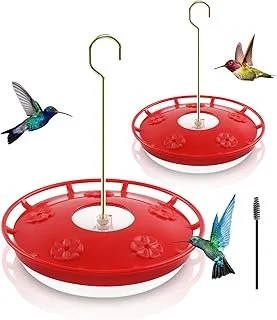
Keep it clean. Warm weather spoils nectar faster, and spoiled nectar is bad news. (If you’ve ever sniffed a feeder in August… you know.)
Skip red dye. The birds don’t need it. The feeder’s red parts are enough.
Offer fresh nectar consistently during peak movement. Being “on their map” as a reliable stop is the goal.
Use multiple feeders spaced apart if squabbles get out of control—territorial birds can’t guard what they can’t easily patrol.
Pair feeders with plants. Feeders help, but native blooms and insect-friendly gardens turn your yard into a real habitat, not just a drive-thru.
Migration is hard… and also kind of holy
Here’s where I want to gently bring in your Roger Tory Peterson wish.
Finding the exact wording of “the most beautiful of God’s creations” attached specifically to hummingbirds is tricky—at least in the sources I can reliably verify right now. But Peterson did speak directly to the way people point to nature’s beauty—including hummingbirds—when they talk about the divine.
He’s quoted reflecting that when people argue for “evidence of the Almighty,” they tend to point to “beautiful things… orchids and hummingbirds and butterflies and roses.”
That feels like a very “Peterson” way of saying what you’re after: hummingbirds belong on the short list of creatures that make us stop mid-sentence and just… stare.
And honestly? Migration is part of that beauty.
Because it’s not only that hummingbirds are dazzling. It’s that they are dazzling and brave—and they do this twice a year on purpose.
A quick “spot it in your yard” guide: signs migration is underway
You’ll know migration is happening when you notice things like:
A sudden increase in hummingbird traffic at the feeder
Short-tempered chases and “I own this perch” behavior
Birds feeding earlier and later in the day
New faces: a hummingbird that looks slightly different, acts more wary, or appears for only a day or two
Those quick stopovers are classic migration behavior—especially in fall.
If hummingbird migration fascinates you, you’ll love diving deeper into our full North American Hummingbirds series. Explore their natural history and hotspots in our pillar post on North American Hummingbirds, learn how to support them properly with our Hummingbird Feeder Care Guide, plant a backyard they’ll return to in our Native Plants for Hummingbirds post, and clear up common confusion in Hummingbird Myths Debunked. The more you understand these tiny travelers, the more meaningful every spring arrival—and every fall farewell—becomes.
The backyard takeaway: your feeder is a pit stop, not a parking permit
If you remember one thing from this post, make it this:
Hummingbirds migrate because they must. We feed them because we can.
Their routes—whether a ruby-throat risking the Gulf or a rufous hummingbird threading a 4,000-mile loop from Alaska to Mexico —are built on timing, instinct, and opportunity.
Your job isn’t to “keep them.” It’s to help them.
Clean nectar. Reliable placement. A few native blooms. Maybe a second feeder around the corner to reduce drama.
That’s it. That’s the magic.
And when they vanish again—when the yard goes quiet and you feel that little pang—just remember: they didn’t leave because your yard wasn’t good enough.
They left because the next chapter of the journey was calling.
And somehow, impossibly, that chapter begins on wings you can barely see.
