

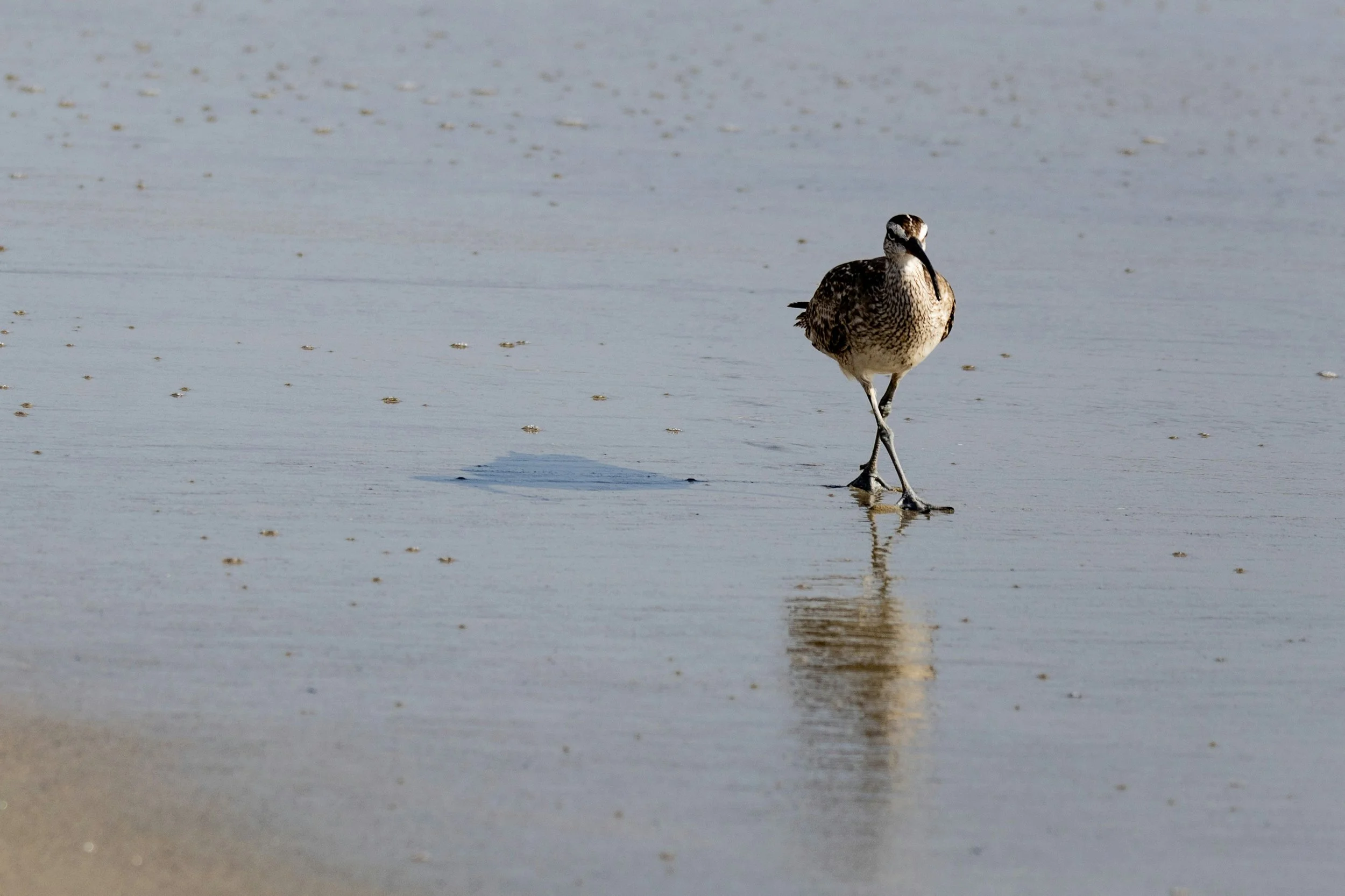
Shorebird Migration
Shorebirds begin their southbound migration while most of us still think of summer as just getting started. Many have spent the brief breeding season in Alaska, northern Canada, and the Arctic tundra, where they must nest and raise their young during a very short window of abundant food and nearly continuous daylight.
Learn why shorebirds migrate so early, how some species travel thousands of miles to South America, and why adults in transition plumage and newly arrived juveniles can be so challenging to identify.
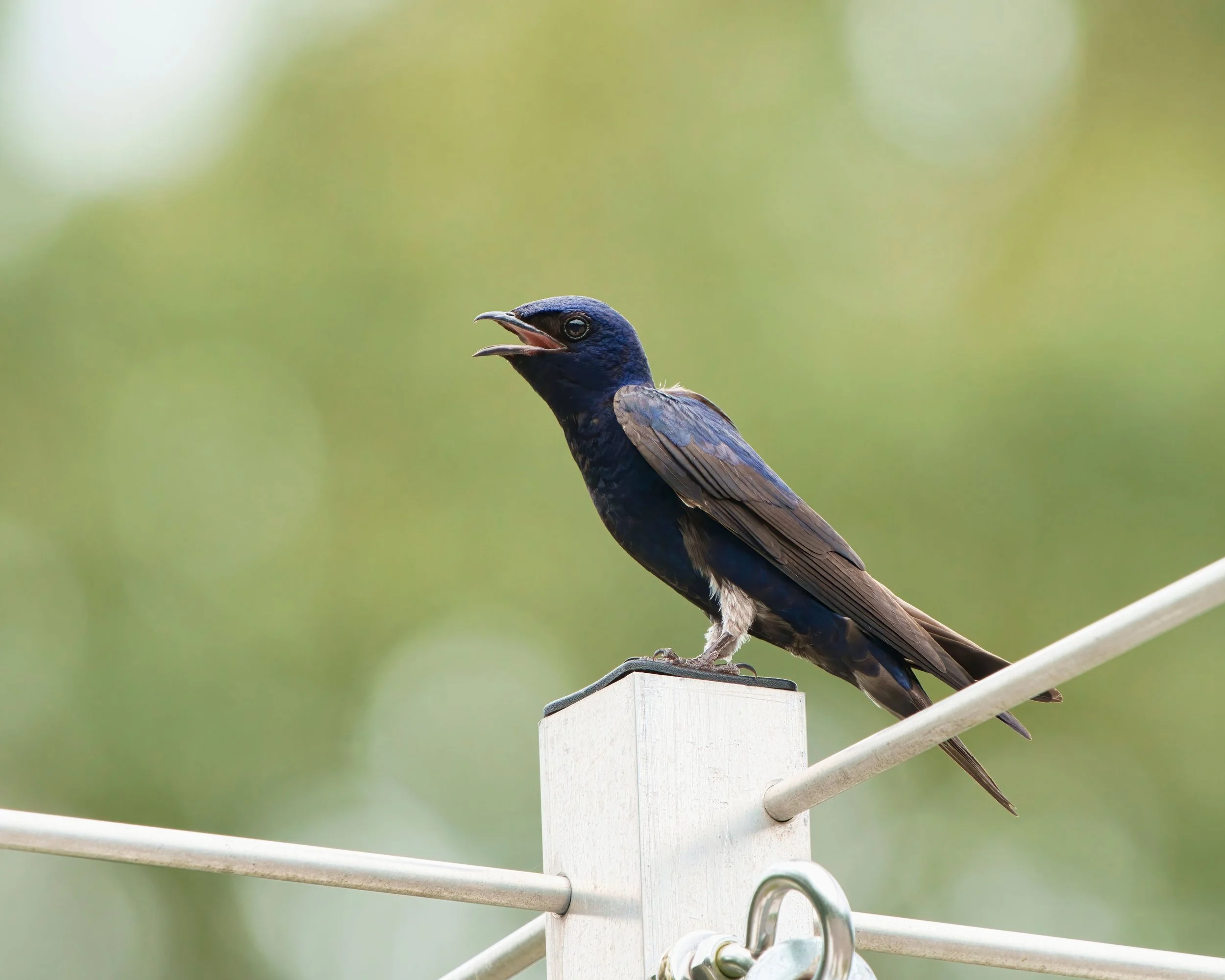
Purple Martins
Purple Martins are one of North America's greatest conservation success stories. Learn how these beautiful swallows came to depend on human-provided housing, why thousands gather in spectacular pre-migration roosts each summer, and how birders can help ensure their future.
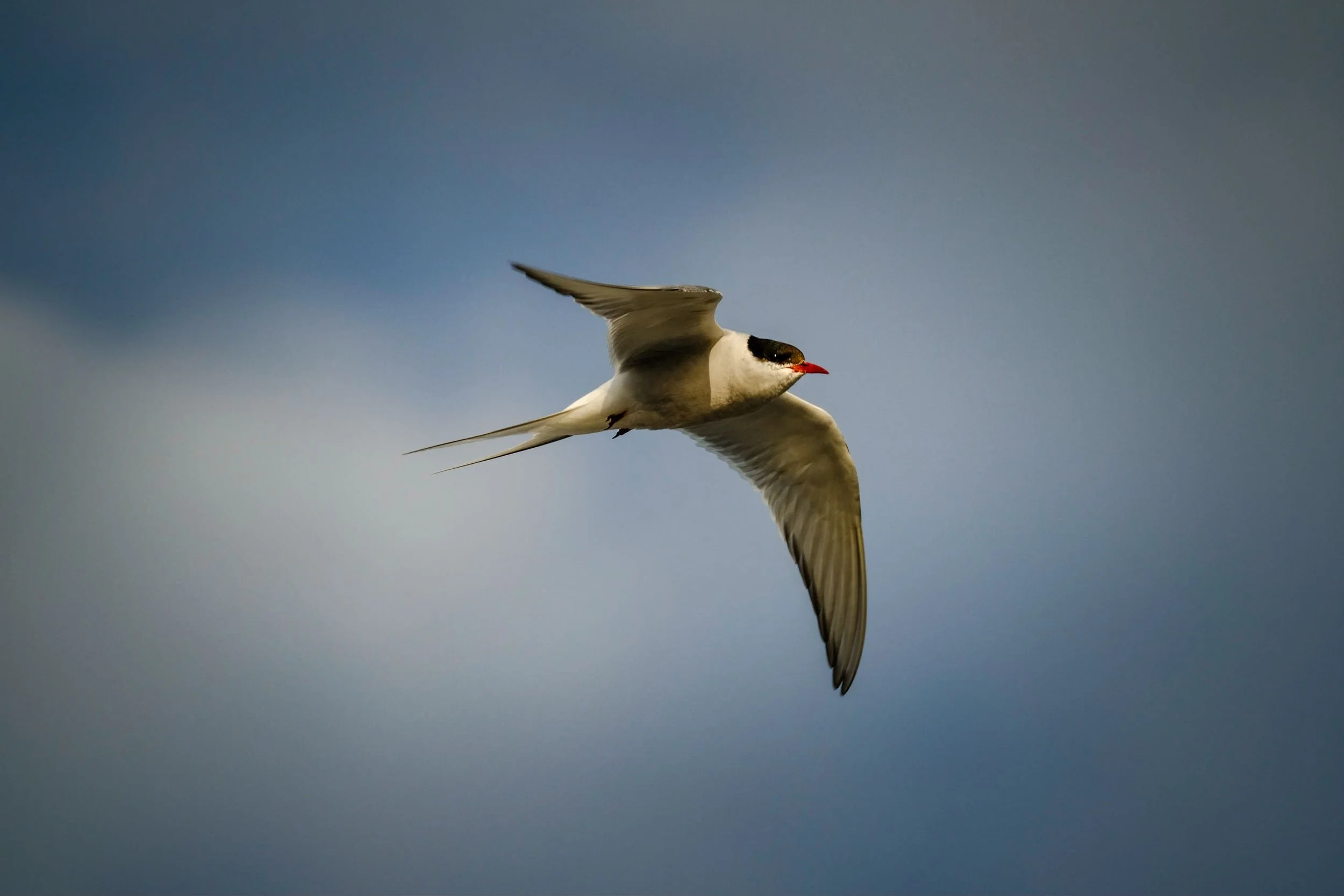
Fall Migration
Fall migration starts much earlier than most birders realize. Shorebirds begin appearing along the Gulf Coast by mid-July, Purple Martins gather in massive pre-migration roosts, and millions of birds prepare for journeys that span continents. Discover the amazing distances birds travel and how fall migration can improve your bird identification skills.
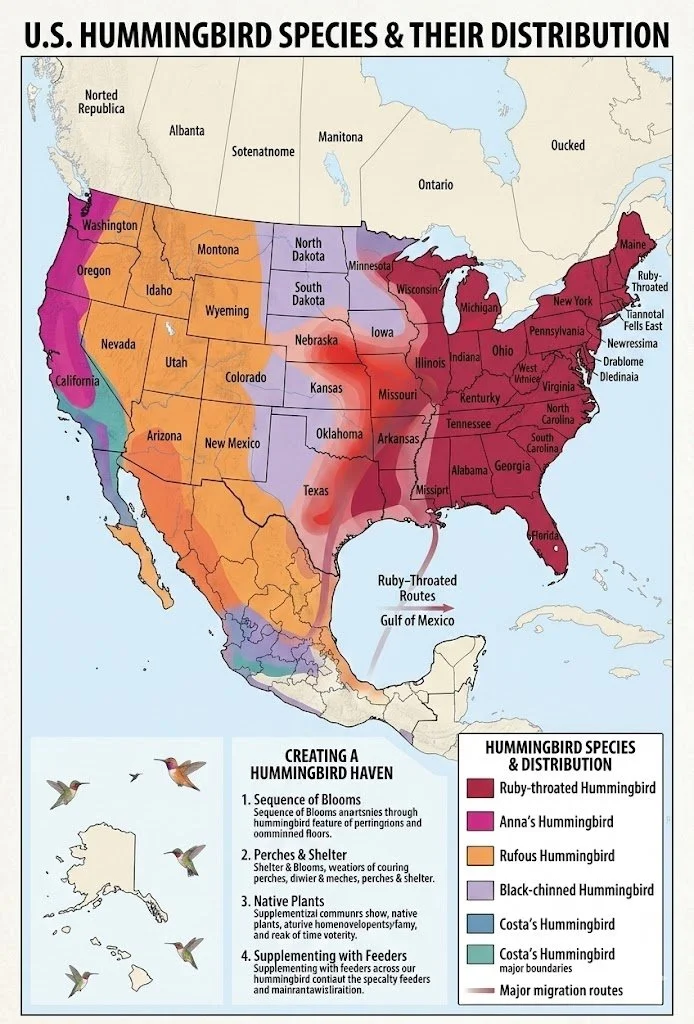
Hummingbirds in the United States
Hummingbirds are among the most remarkable birds in North America. Some species migrate more than 2,000 miles each year—and many Ruby-throated Hummingbirds even cross the Gulf of Mexico in a nonstop flight. In this guide we explore hummingbird distribution across the United States, famous hummingbird hotspots like southeastern Arizona and south Texas, and how backyard feeders can help these tiny travelers refuel during their incredible journeys.
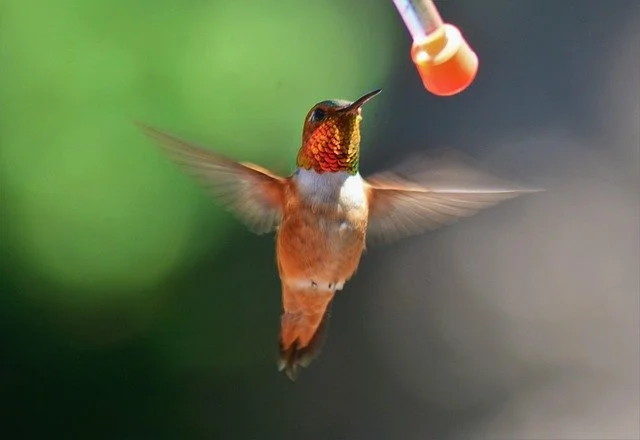
Why Hummingbirds Migrate
Hummingbirds migrate thousands of miles each year—some even crossing the Gulf of Mexico in a single nonstop flight. Discover why they migrate, how far they travel, and how your backyard feeder can help during their incredible spring and fall journeys.