

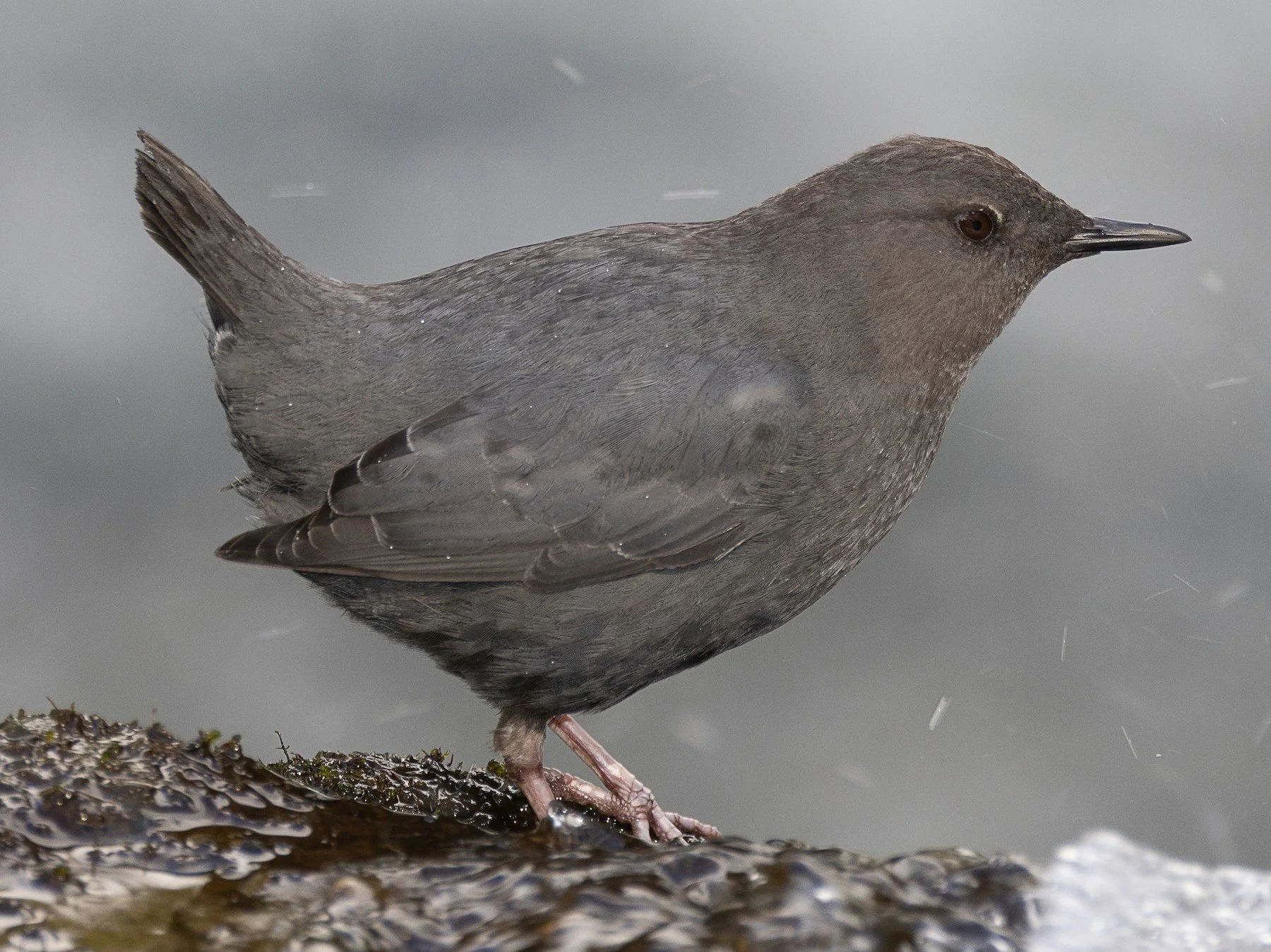
The Power of Slow Birding:
Birding doesn't have to be a race. Discover how slowing down can help you notice more behavior, improve your identification skills, reduce stress, and build a deeper connection with birds and nature.
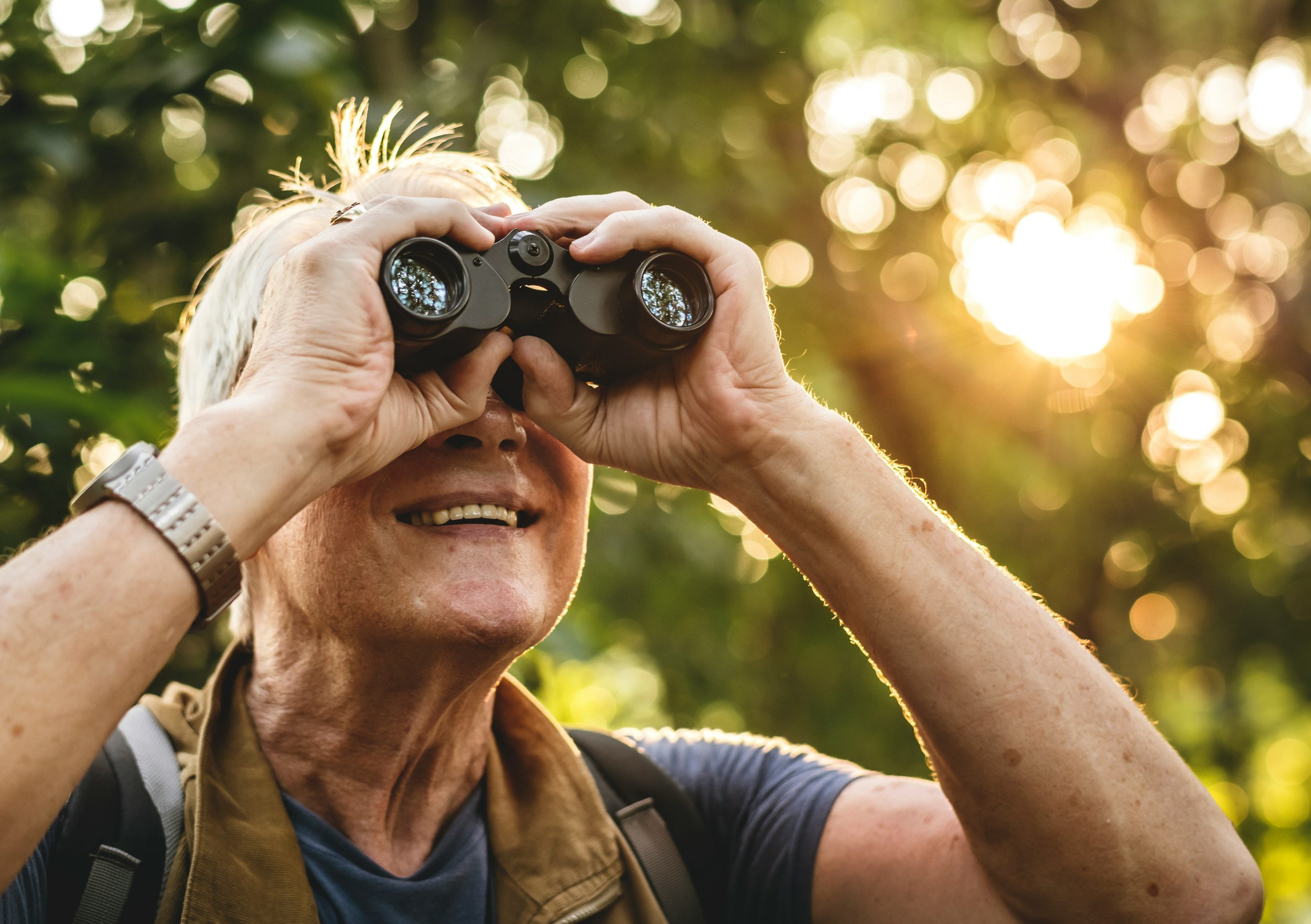
The Biggest Beginning Birder Mistakes
Every birder starts somewhere—and most of us make the same mistakes. Discover the 12 biggest beginning birder mistakes and learn practical tips that will help you identify more birds, build confidence, and enjoy the journey from beginner to better birder.
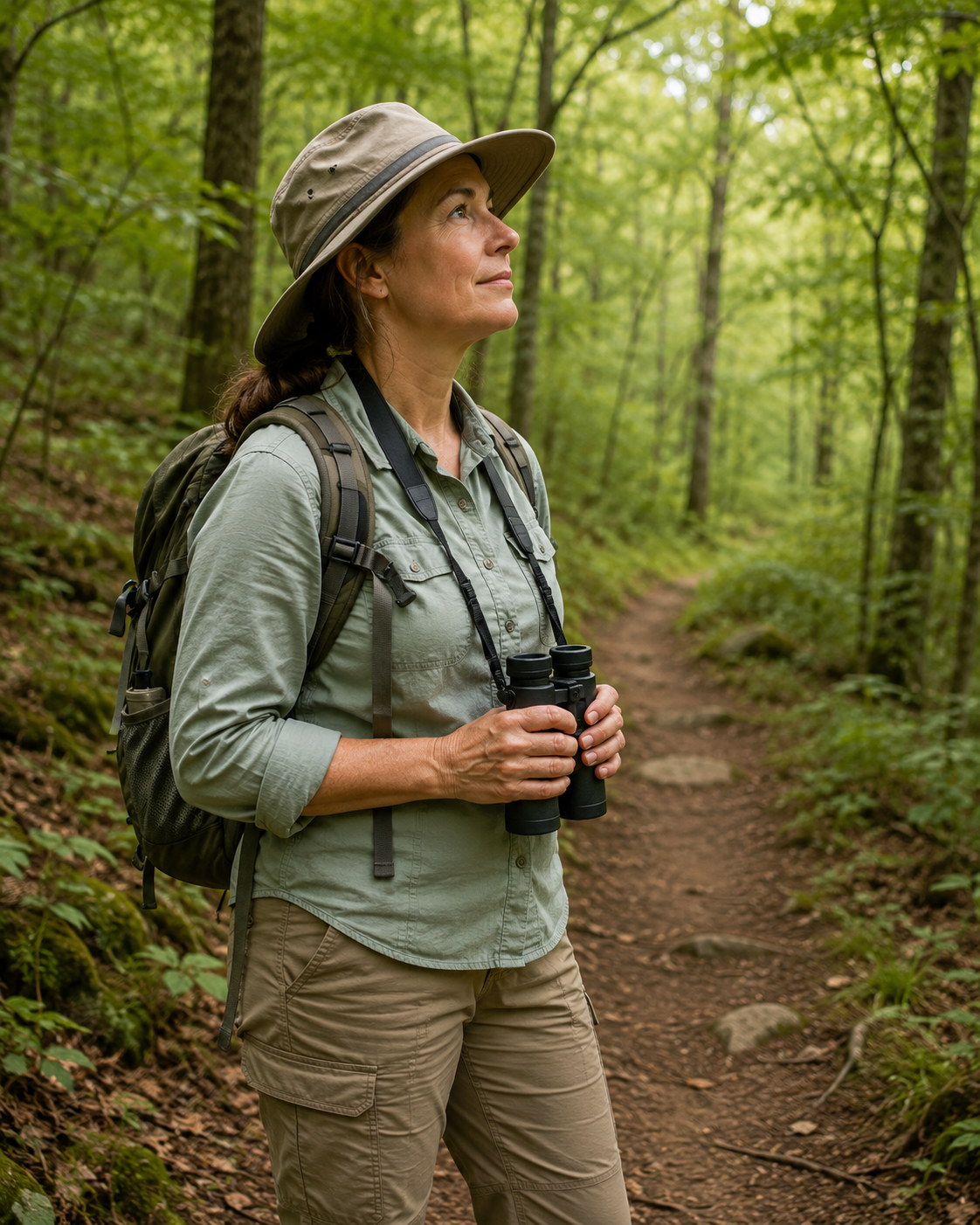
How to Stop Feeling Overwhelmed by Bird Identification
Bird identification doesn't have to feel overwhelming. Learn how to narrow your options using bird families, behavior, habitat clues, and note-taking techniques that make birding easier and more enjoyable.
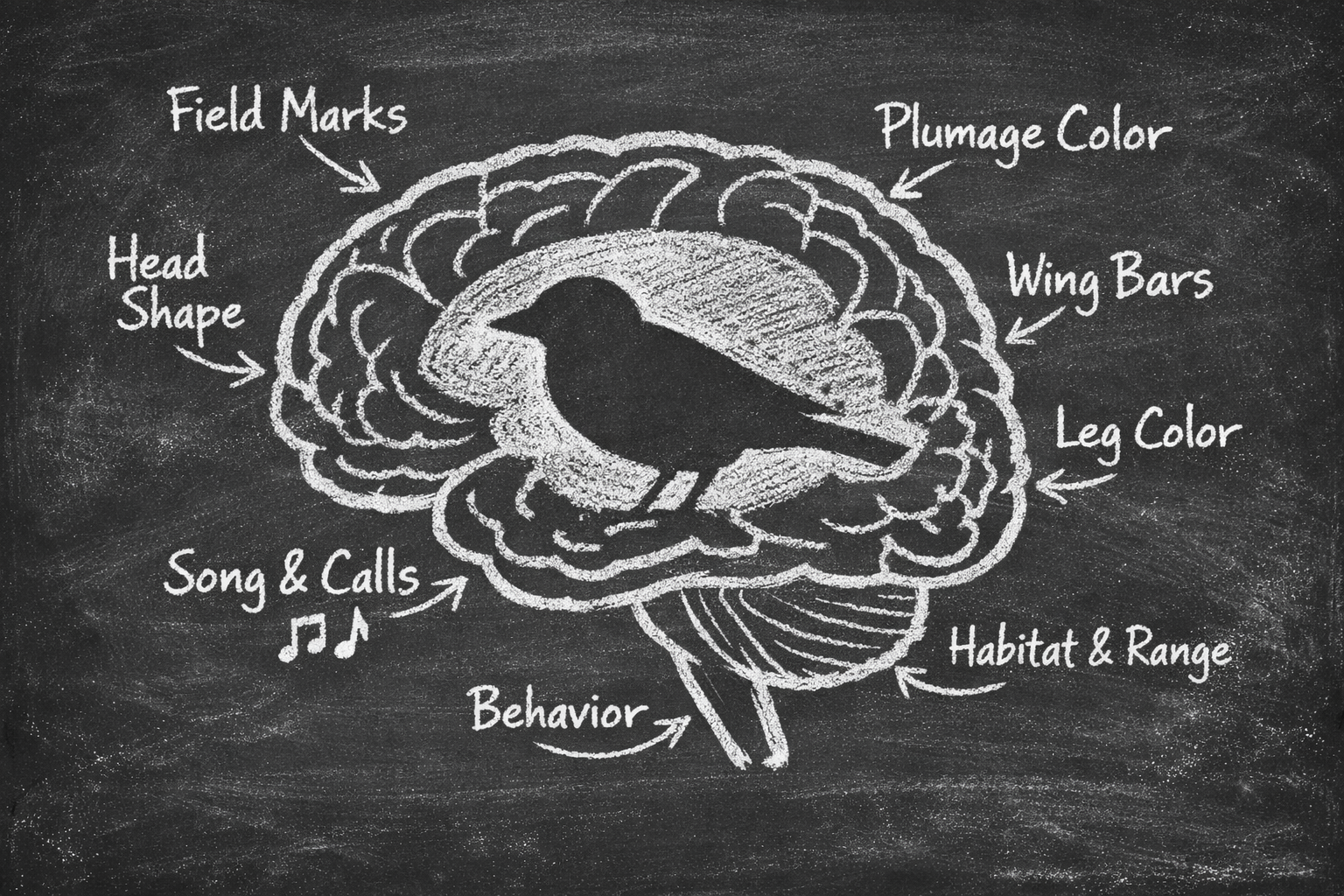
Why Birding Is a “Full-Brain Workout”
Birding isn’t just a peaceful hobby—it may actually help protect your brain. New research suggests that learning to identify birds strengthens memory, sharpens focus, and could even slow cognitive decline as we age. Here’s why birding might be one of the best things you can do for your mind.
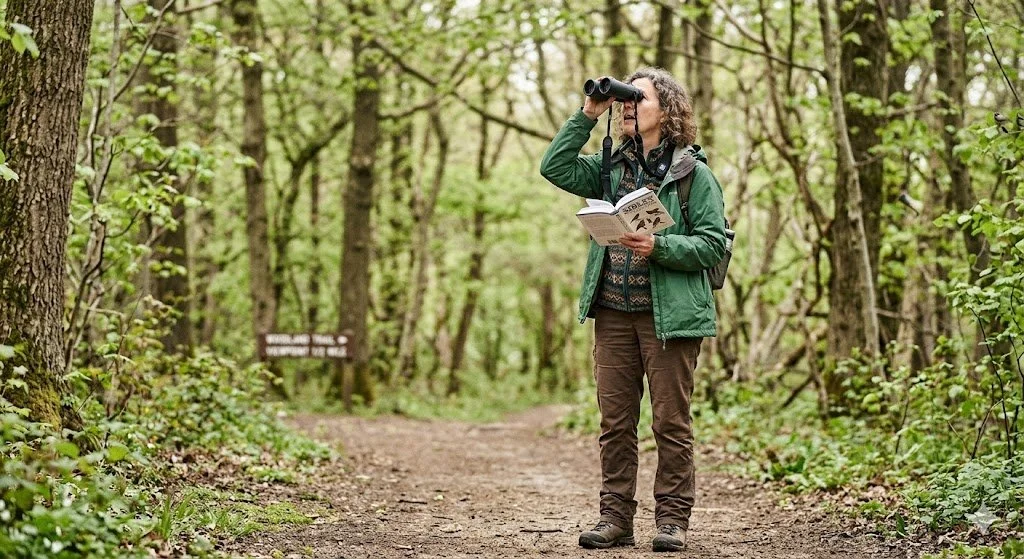
Be a Better Birder
Want to become a better birder? The secret isn’t expensive gear or exotic travel — it’s learning a handful of practical skills that help you notice, understand, and identify birds more confidently. In this guide we introduce 10 birding skills that instantly improve your birdwatching, from recognizing field marks and judging relative size to using a field guide effectively. Whether you're just starting or hoping to sharpen your abilities, these tips will help you grow as a birder.
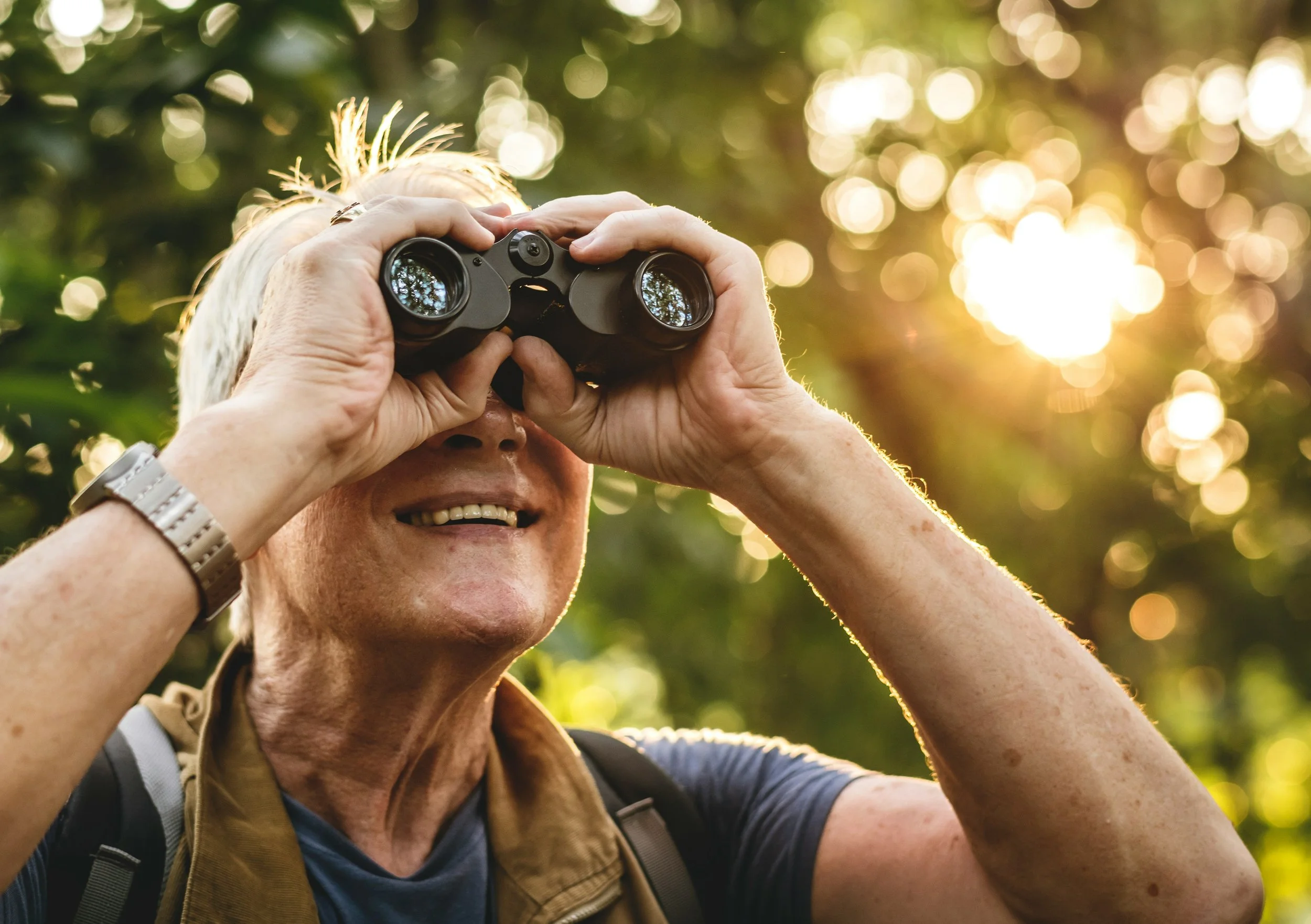
Birding - Putting It All Together
Bird identification happens when all your skills come together. Learn how to observe like a bird detective and confidently identify the birds around you.
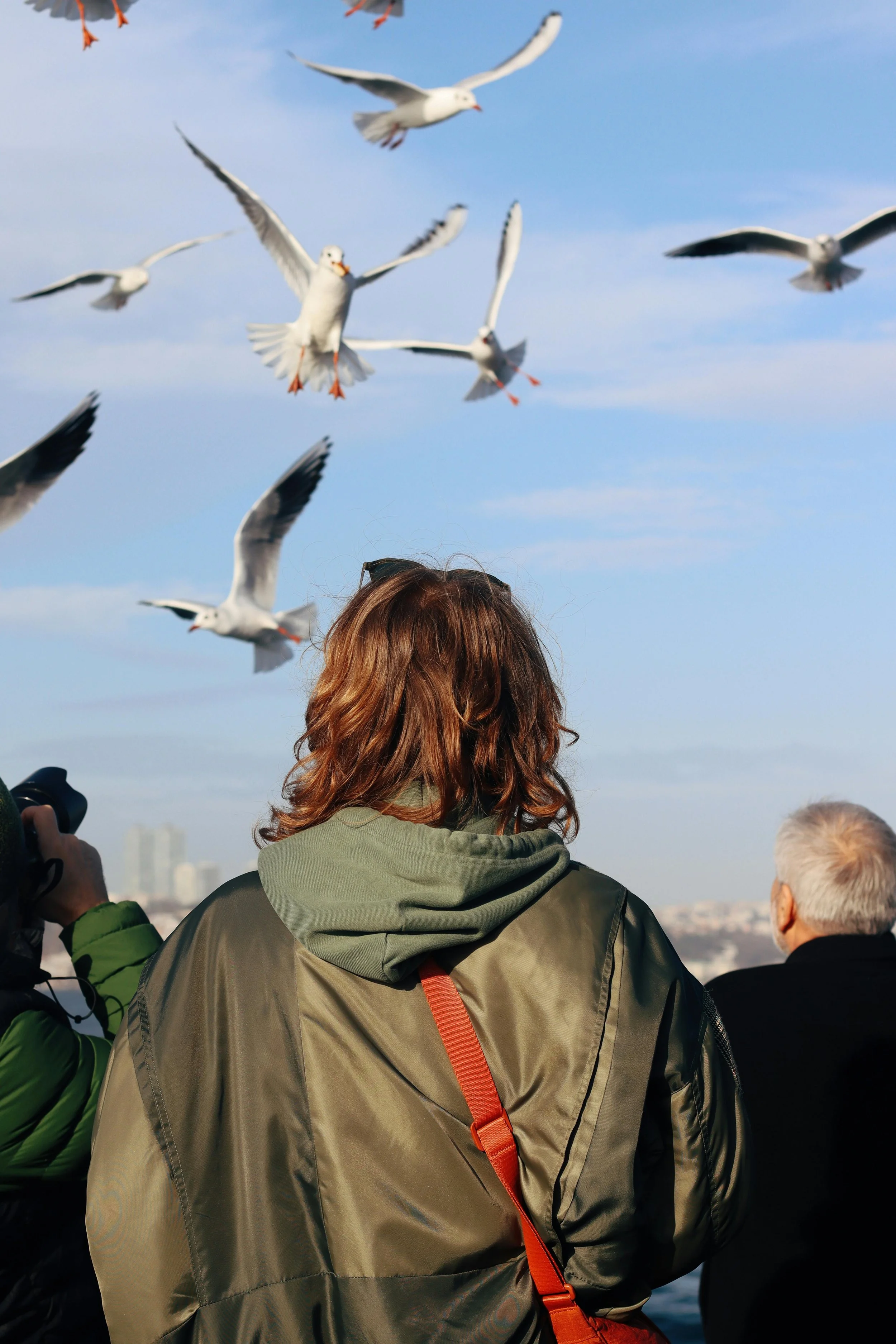
Birding Jargon
FOY. Lifer. GISS. Dip.
If you’re new to birding, it can feel like everyone is speaking a secret language.
But here’s the truth: learning birding jargon isn’t about sounding smart — it’s about building confidence. In this guide, we decode the most common birding terms so you can think clearly, participate fully, and feel like you truly belong in the birding community.
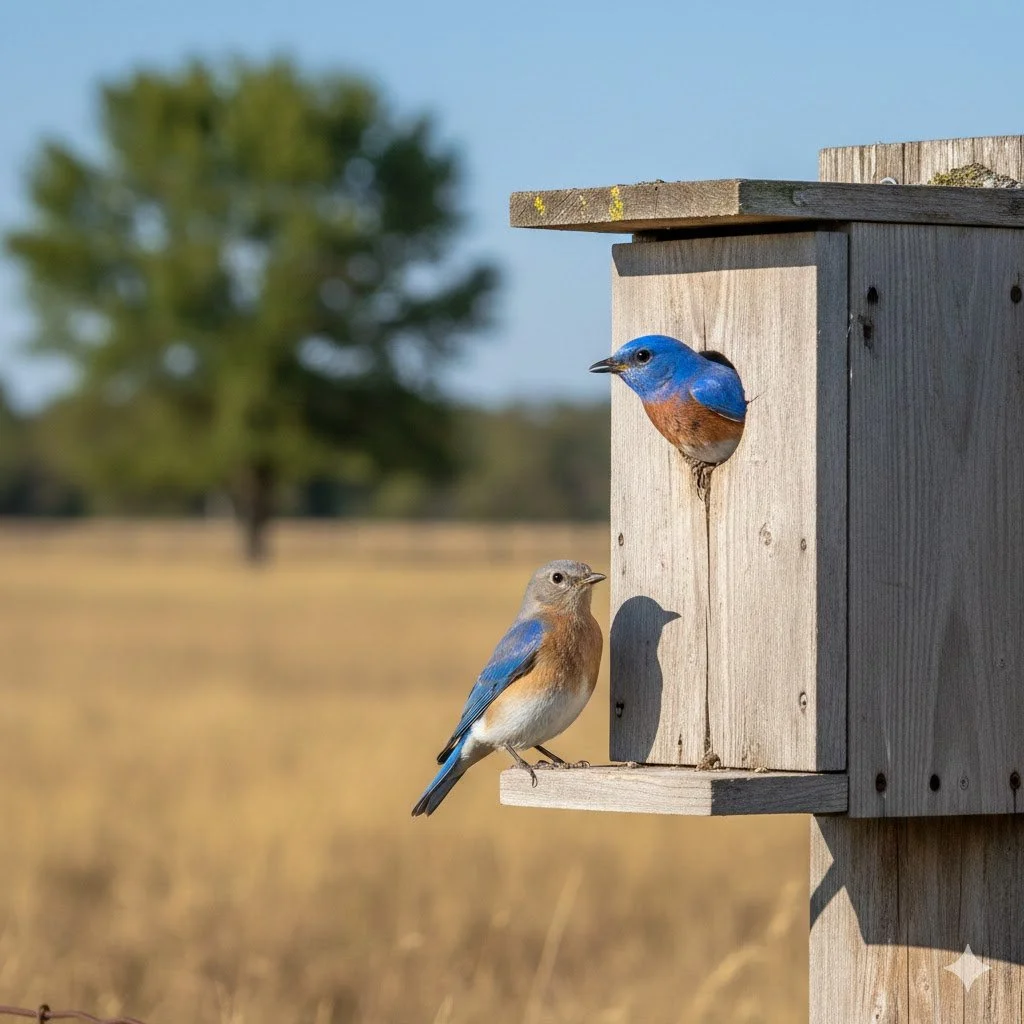
Nest Box Facts Every Backyard Birder Should Know
Where should you hang a nest box? How big should the entrance hole be? Are gourds better than martin houses? Learn the essential nest box facts that help cavity-nesting birds stay safe and raise successful broods in your backyard
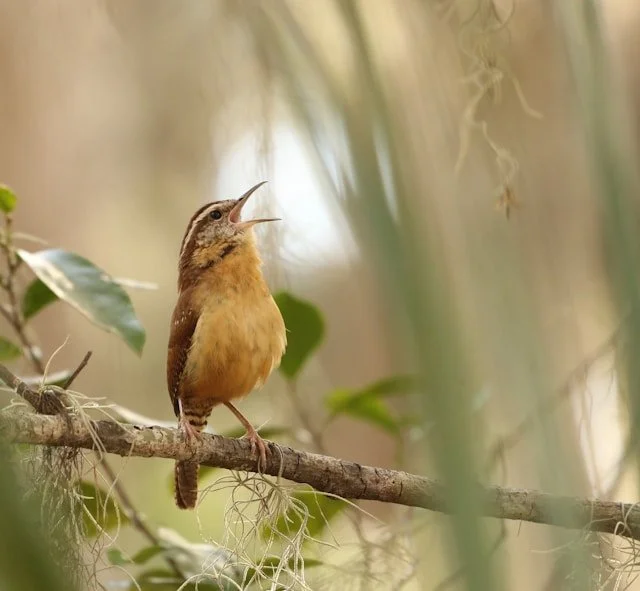
Beginning Birding by Ear
Birds are often heard before they’re seen. Learn how beginning birders can identify birds by sound, starting with simple calls and listening exercises.

Birding for Beginners — Part 2
Noticing is one of the most important birding skills you can develop. In Part 2 of our Beginning Birding series, learn how to spot subtle movements, see field marks, practice awareness exercises, and use ducks as perfect binocular training partners. These simple habits make you a more confident, observant birder.