

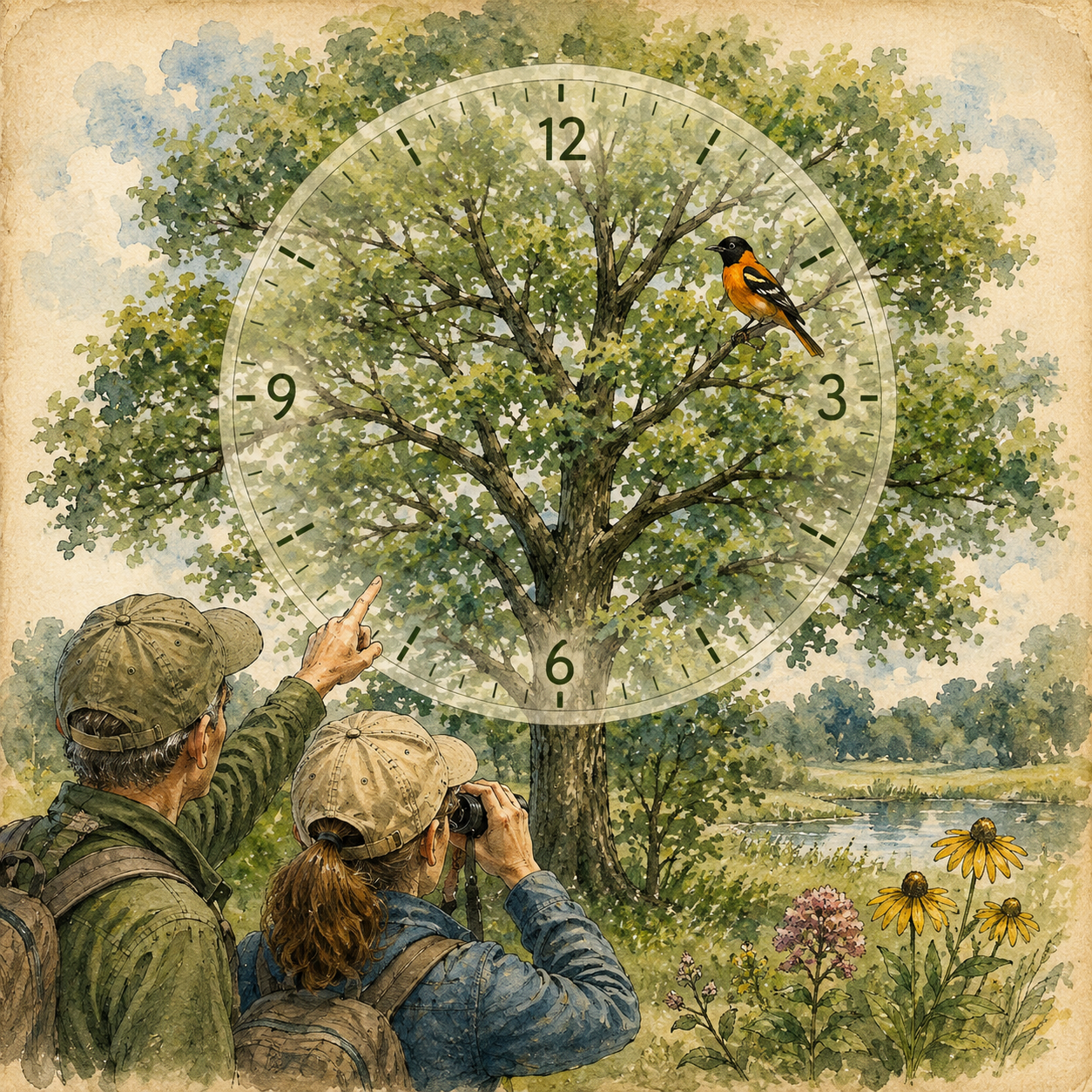
Bird at 2 O’Clock! How Birders Help Each Other Find Birds
What does a birder mean when they say. “Bird at 2 o’clock”? Learn the simple clock-face method - and other tricks experienced birders use to help each other quickly locate birds in trees, shrubs and open sky.

Beginning Birders
You don’t need expensive binoculars, special clothing or a trip to a famous birding destination to become a birder. Learn which basic items are genuinely helpful, what can wait and how to start enjoying the birds wherever you are.
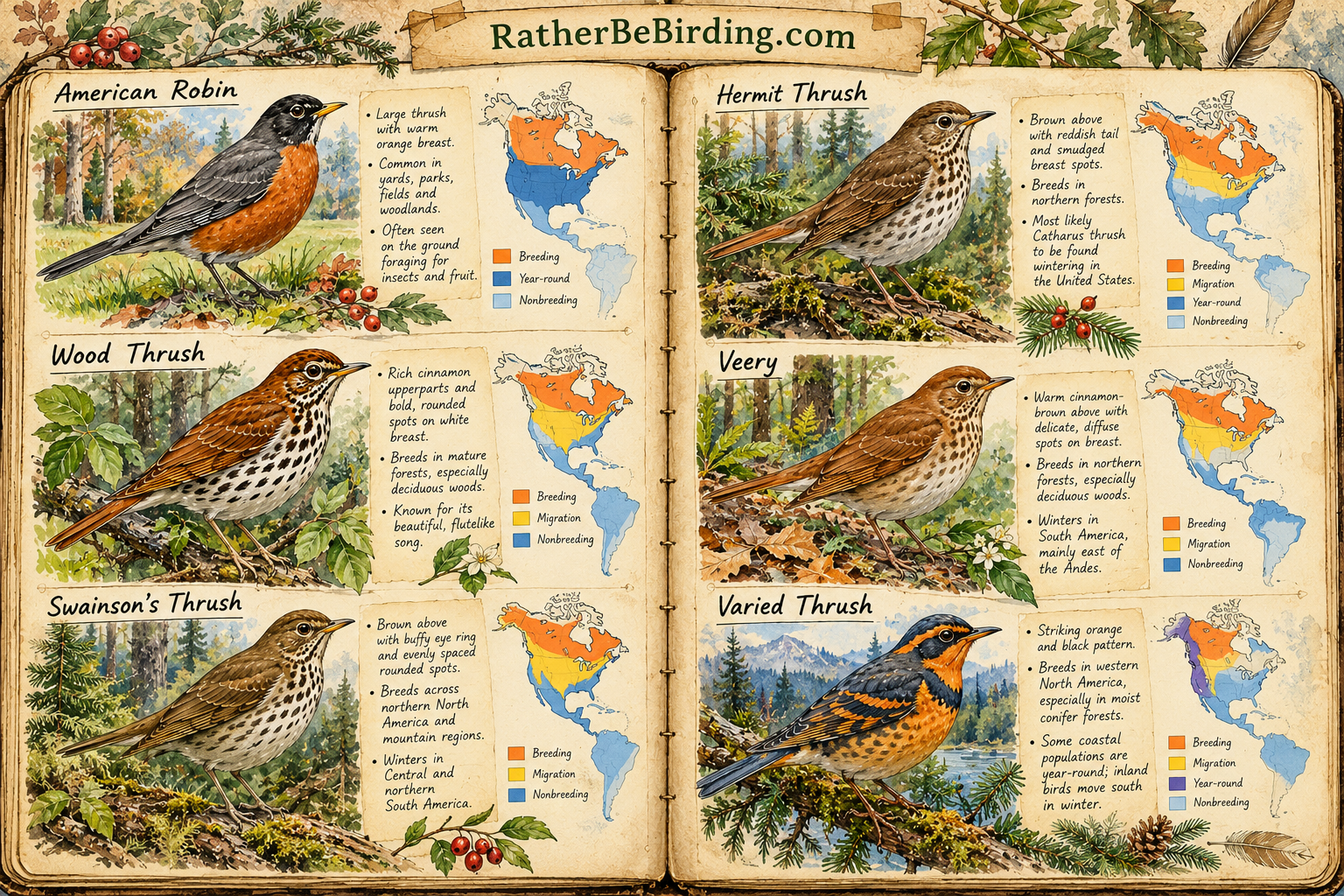
Learn Bird Families
Want to identify birds faster without trying to memorize hundreds of species? Learn to recognize bird families first. Shape, behavior, habitat, and field marks can quickly narrow the possibilities and help you move from “What was that?” to a confident identification.
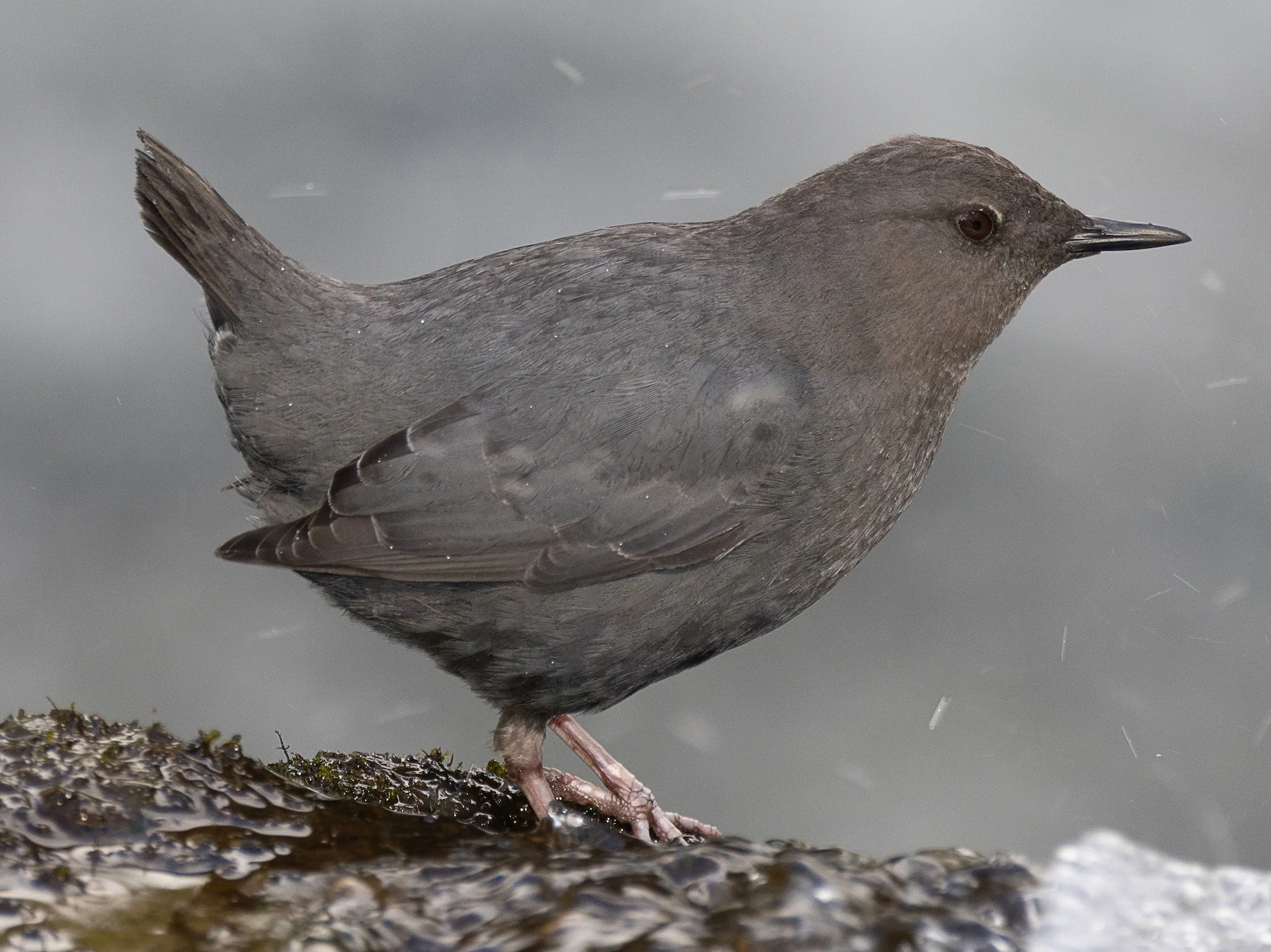
The Power of Slow Birding:
Birding doesn't have to be a race. Discover how slowing down can help you notice more behavior, improve your identification skills, reduce stress, and build a deeper connection with birds and nature.
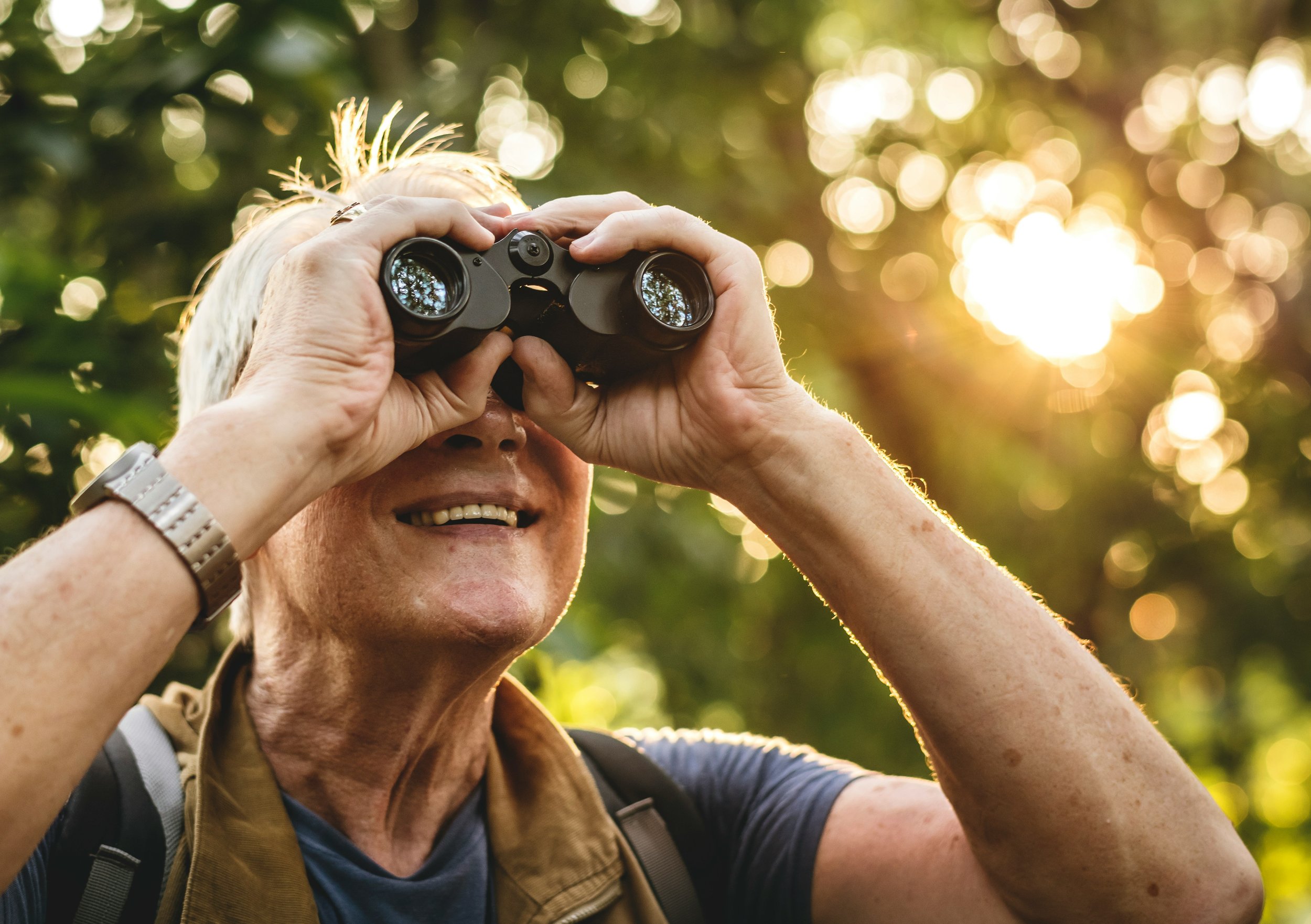
The Biggest Beginning Birder Mistakes
Every birder starts somewhere—and most of us make the same mistakes. Discover the 12 biggest beginning birder mistakes and learn practical tips that will help you identify more birds, build confidence, and enjoy the journey from beginner to better birder.
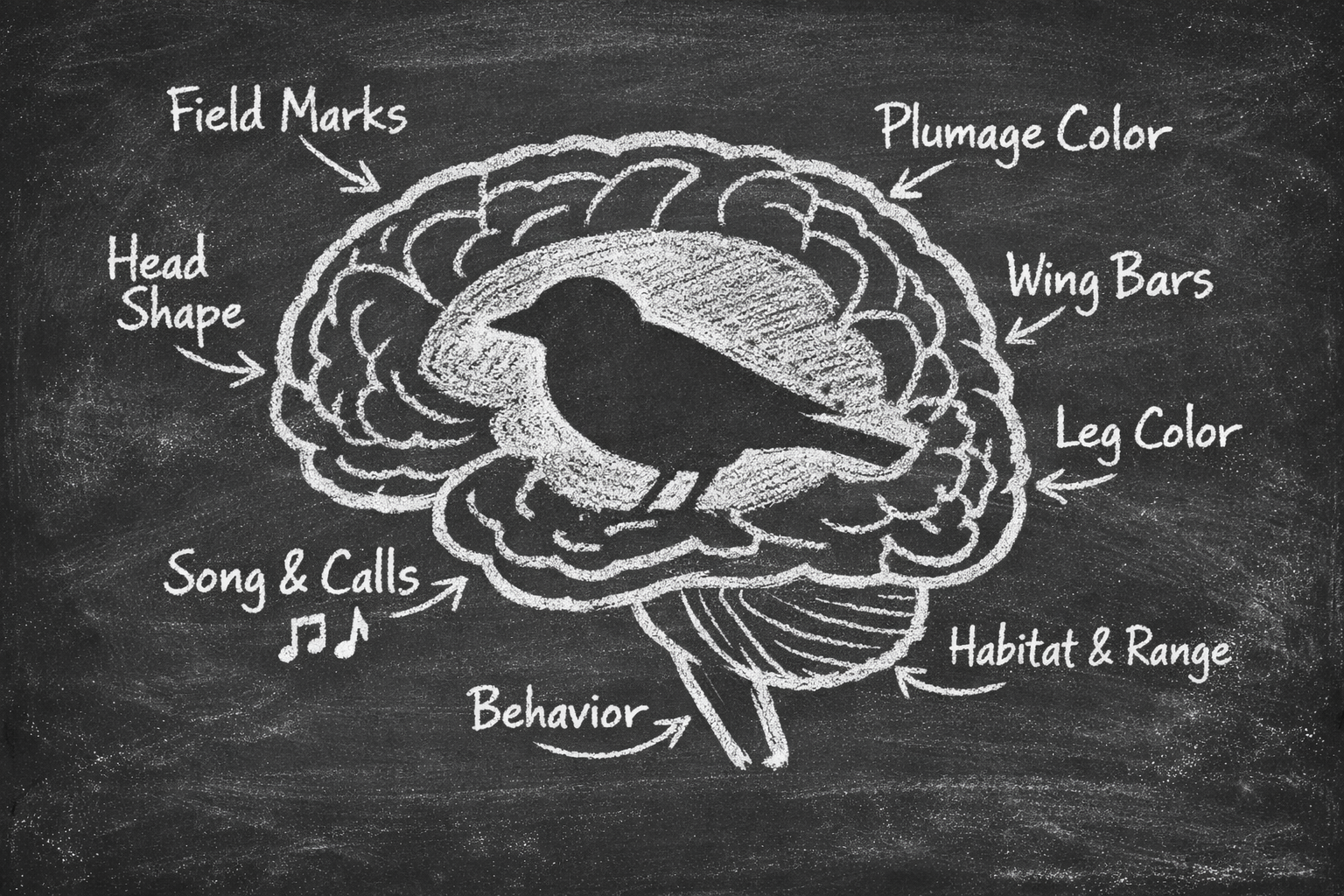
Why Birding Is a “Full-Brain Workout”
Birding isn’t just a peaceful hobby—it may actually help protect your brain. New research suggests that learning to identify birds strengthens memory, sharpens focus, and could even slow cognitive decline as we age. Here’s why birding might be one of the best things you can do for your mind.