

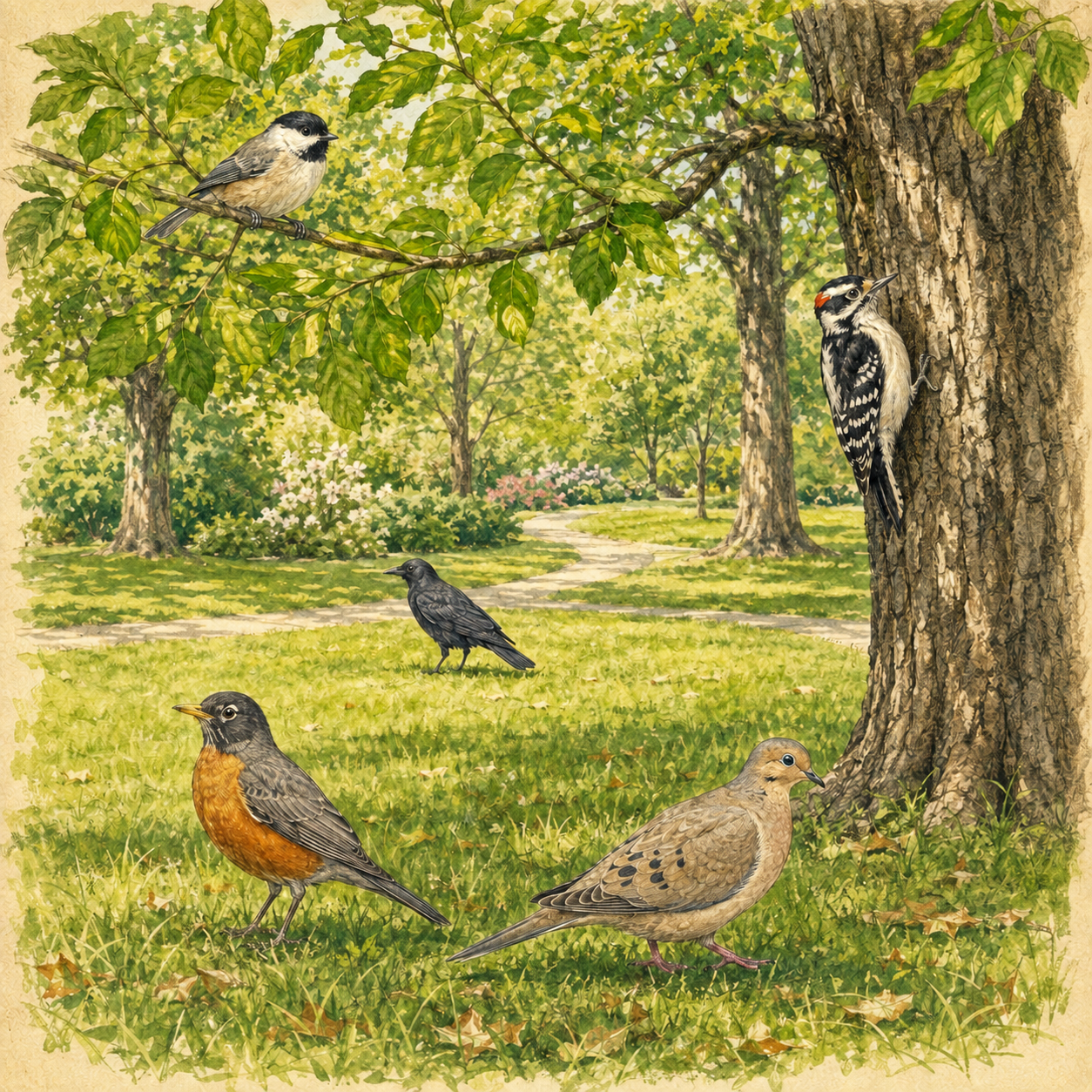
25 Common North American Birds Every Beginning Birder Should Know
Beginning birders do not need to memorize hundreds of species. Start with 25 familiar North American birds and learn what each one can teach you about size, shape, behavior, habitat, flight and sound.
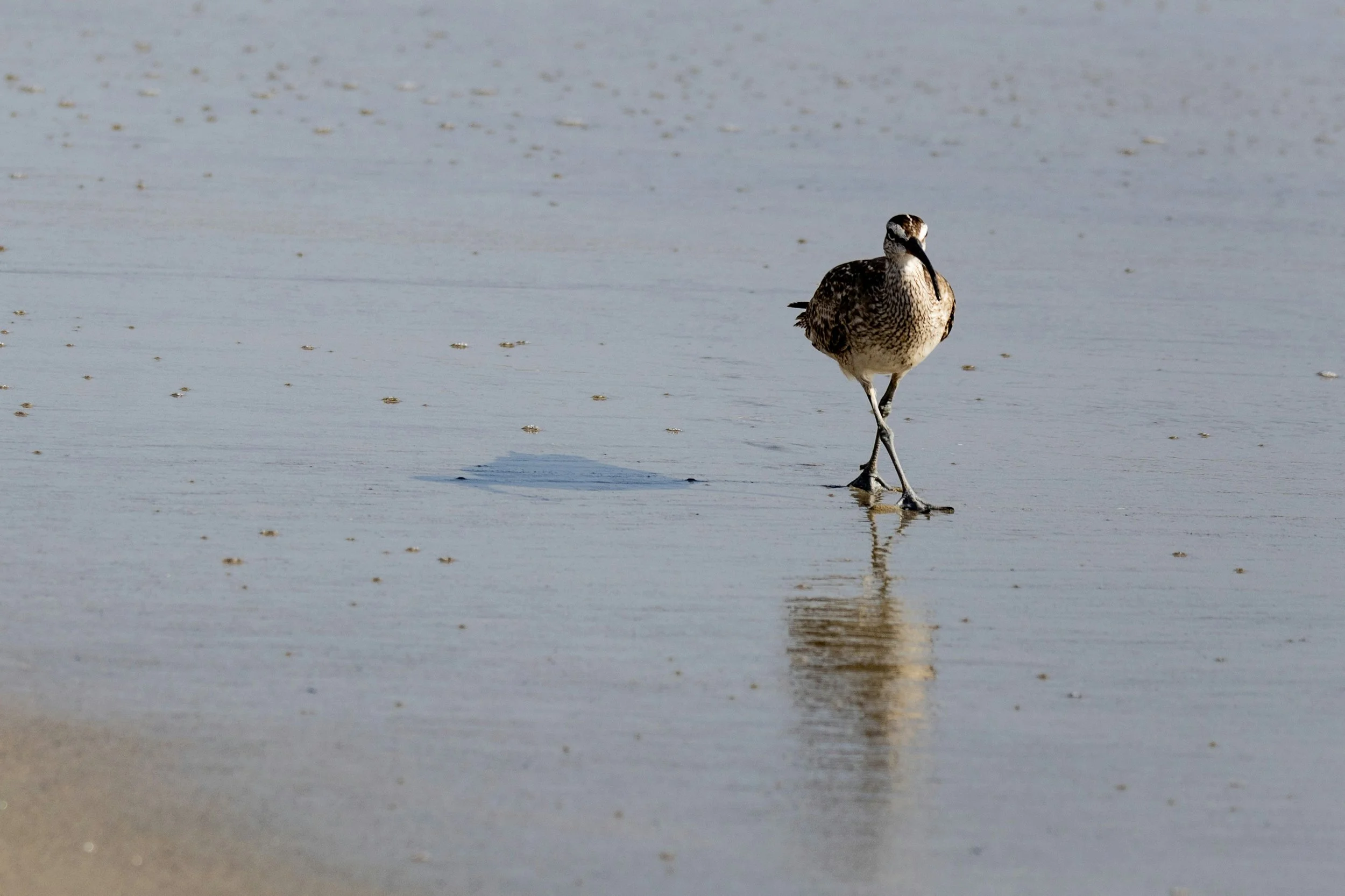
Shorebird Migration
Shorebirds begin their southbound migration while most of us still think of summer as just getting started. Many have spent the brief breeding season in Alaska, northern Canada, and the Arctic tundra, where they must nest and raise their young during a very short window of abundant food and nearly continuous daylight.
Learn why shorebirds migrate so early, how some species travel thousands of miles to South America, and why adults in transition plumage and newly arrived juveniles can be so challenging to identify.
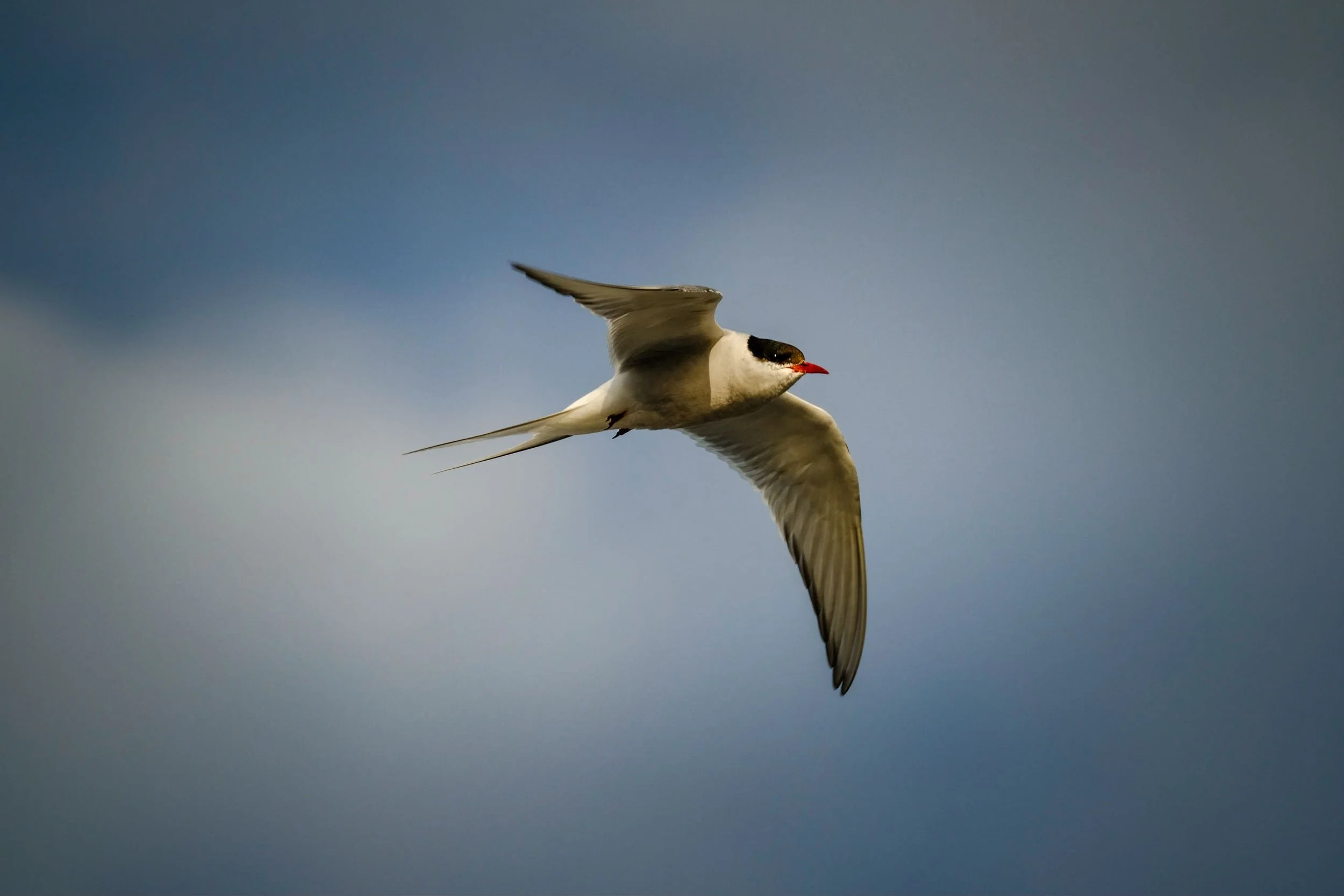
Fall Migration
Fall migration starts much earlier than most birders realize. Shorebirds begin appearing along the Gulf Coast by mid-July, Purple Martins gather in massive pre-migration roosts, and millions of birds prepare for journeys that span continents. Discover the amazing distances birds travel and how fall migration can improve your bird identification skills.
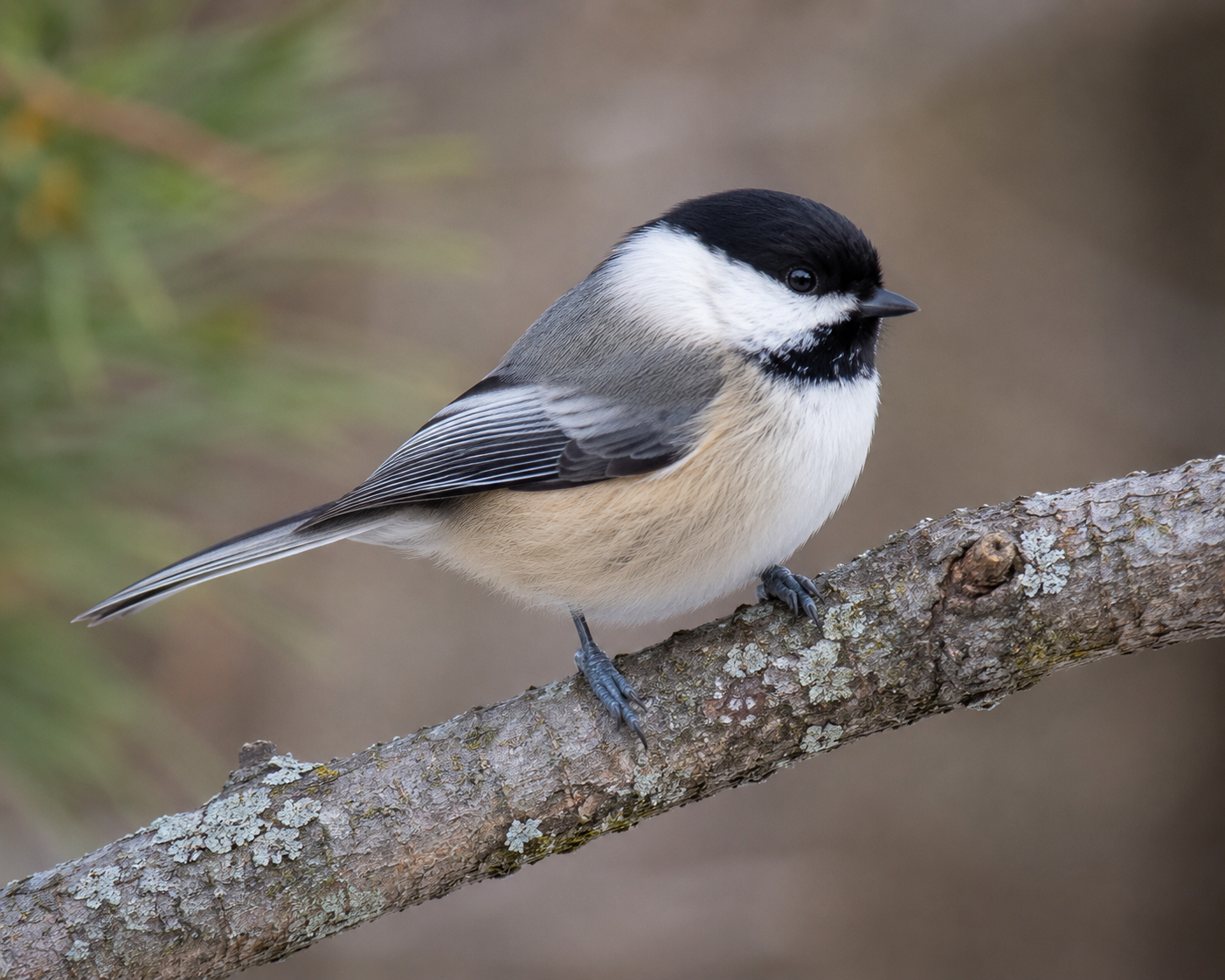
Experienced Birders ID Birds Faster
How do experienced birders identify birds so quickly? The answer isn't better eyesight or a photographic memory. Learn the techniques expert birders use—from bird families and habitat clues to shape, behavior, and pattern recognition—and discover how you can dramatically improve your own bird identification skills.

The Biggest Beginning Birder Mistakes
Every birder starts somewhere—and most of us make the same mistakes. Discover the 12 biggest beginning birder mistakes and learn practical tips that will help you identify more birds, build confidence, and enjoy the journey from beginner to better birder.
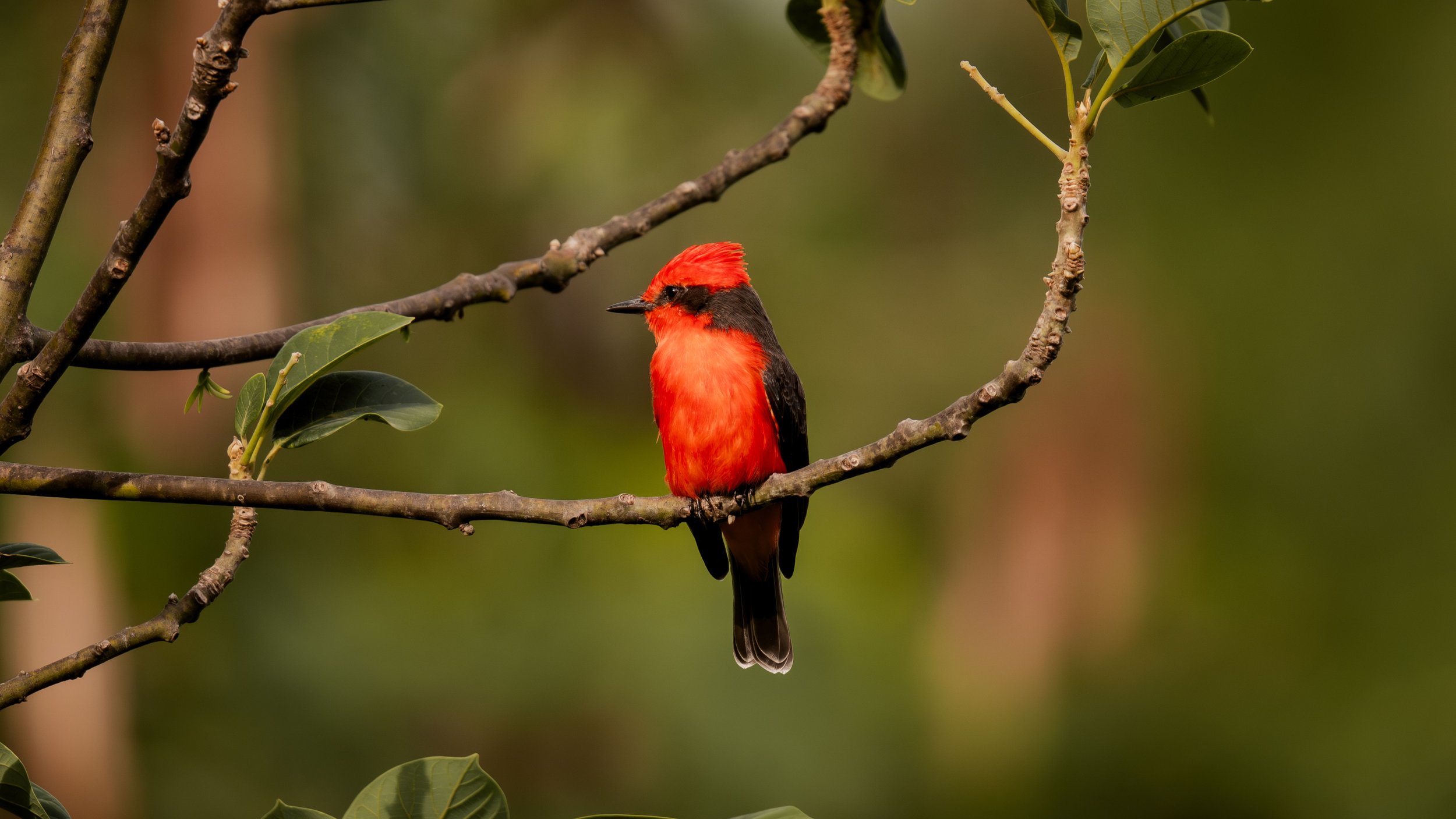
5 Easiest Birds to ID in Summer - Southwest Region
Bird identification doesn't have to feel overwhelming. Learn five distinctive Southwestern birds that are easy for beginners to recognize and enjoy this summer, from the famous Greater Roadrunner to the desert-loving Cactus Wren.

5 Easiest Birds to ID in Summer - Great Plains Region
Beginning birders in the Midwest and Great Plains are surrounded by beautiful summer birds that are surprisingly easy to identify. Learn how to recognize meadowlarks, goldfinches, kingbirds, and more while improving your birding skills all summer long.
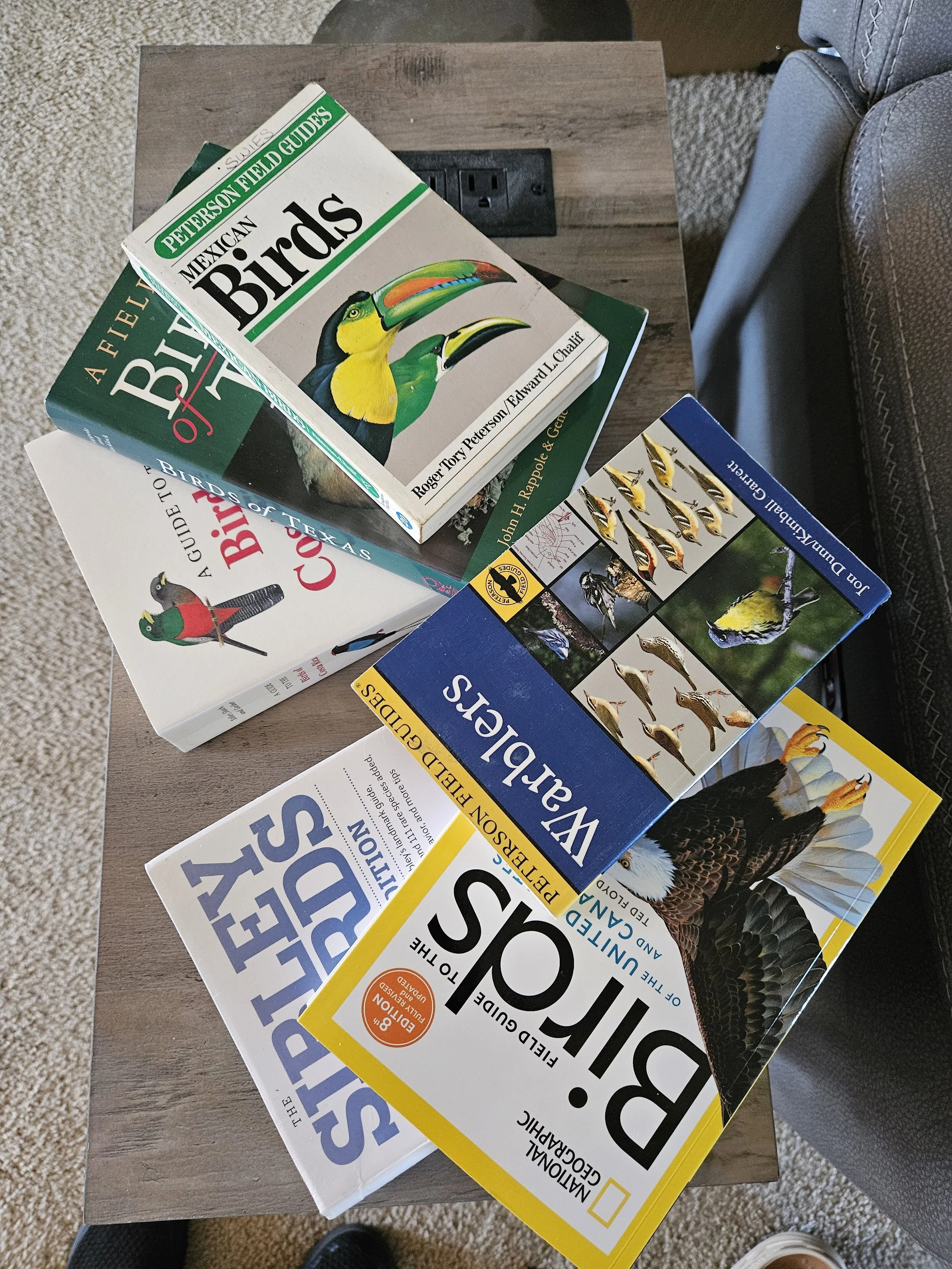
How to Use a Bird Field Guide
A bird field guide is more than a reference book—it’s a powerful learning tool. Discover how birders use field guides to study bird families, learn identification skills, and recognize species faster in the field.
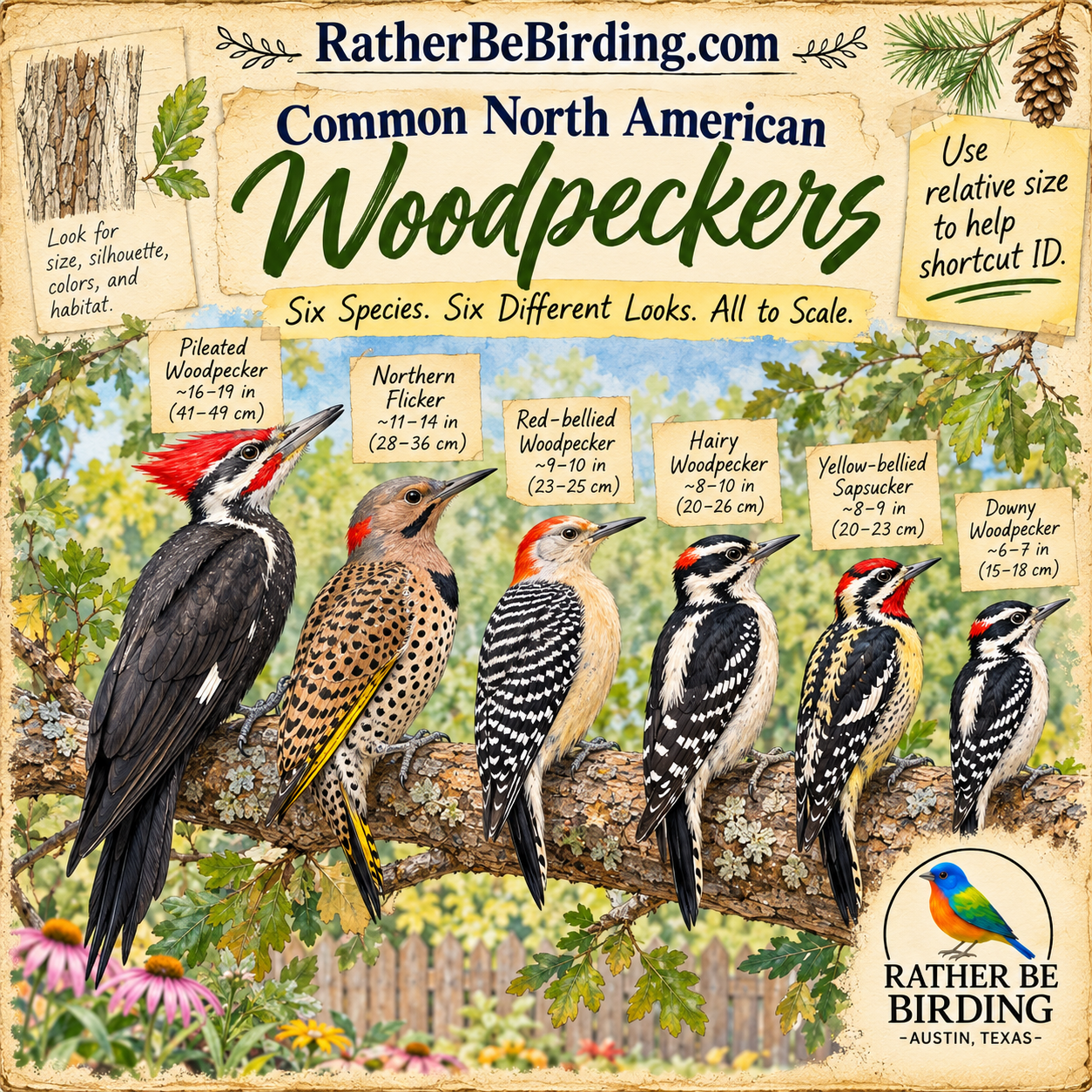
Using Relative Size to Become a Better Birder
Learning to judge relative size is one of the most useful skills a birder can develop. By comparing birds to familiar sizes like sparrows, robins, and crows, birders can quickly eliminate dozens of species and narrow down the possibilities. In this guide, we explain how experienced birders use size, habitat, and field marks together to identify birds faster.

Be a Better Birder
Want to become a better birder? The secret isn’t expensive gear or exotic travel — it’s learning a handful of practical skills that help you notice, understand, and identify birds more confidently. In this guide we introduce 10 birding skills that instantly improve your birdwatching, from recognizing field marks and judging relative size to using a field guide effectively. Whether you're just starting or hoping to sharpen your abilities, these tips will help you grow as a birder.